
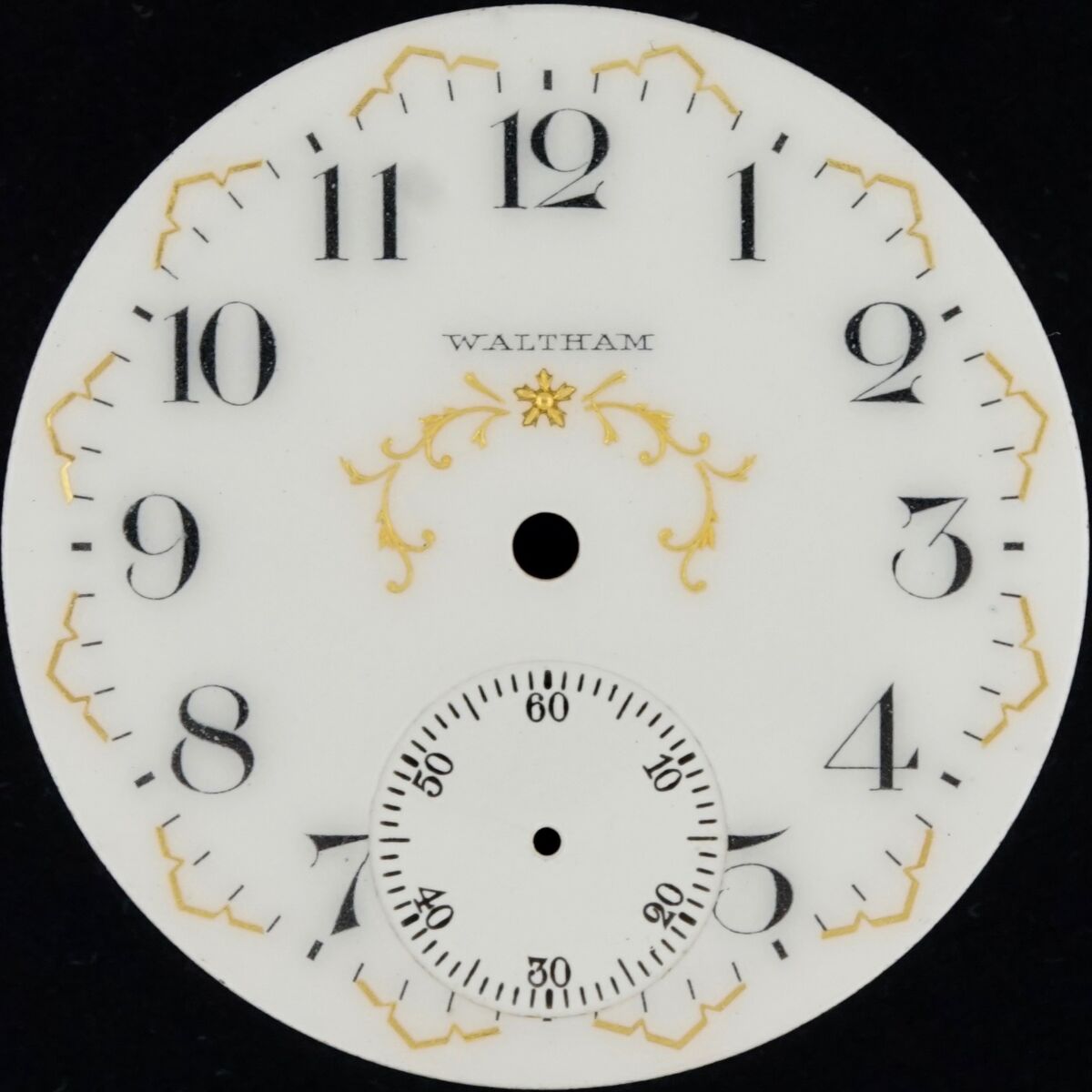

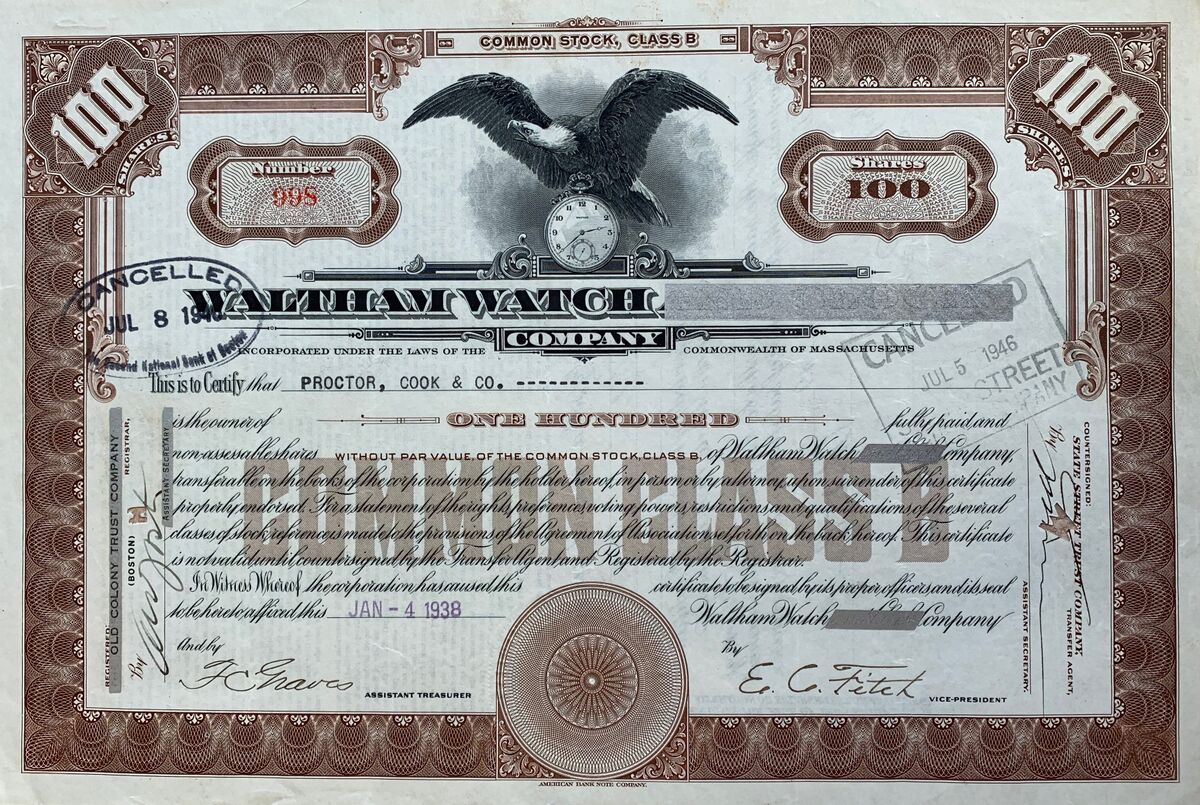
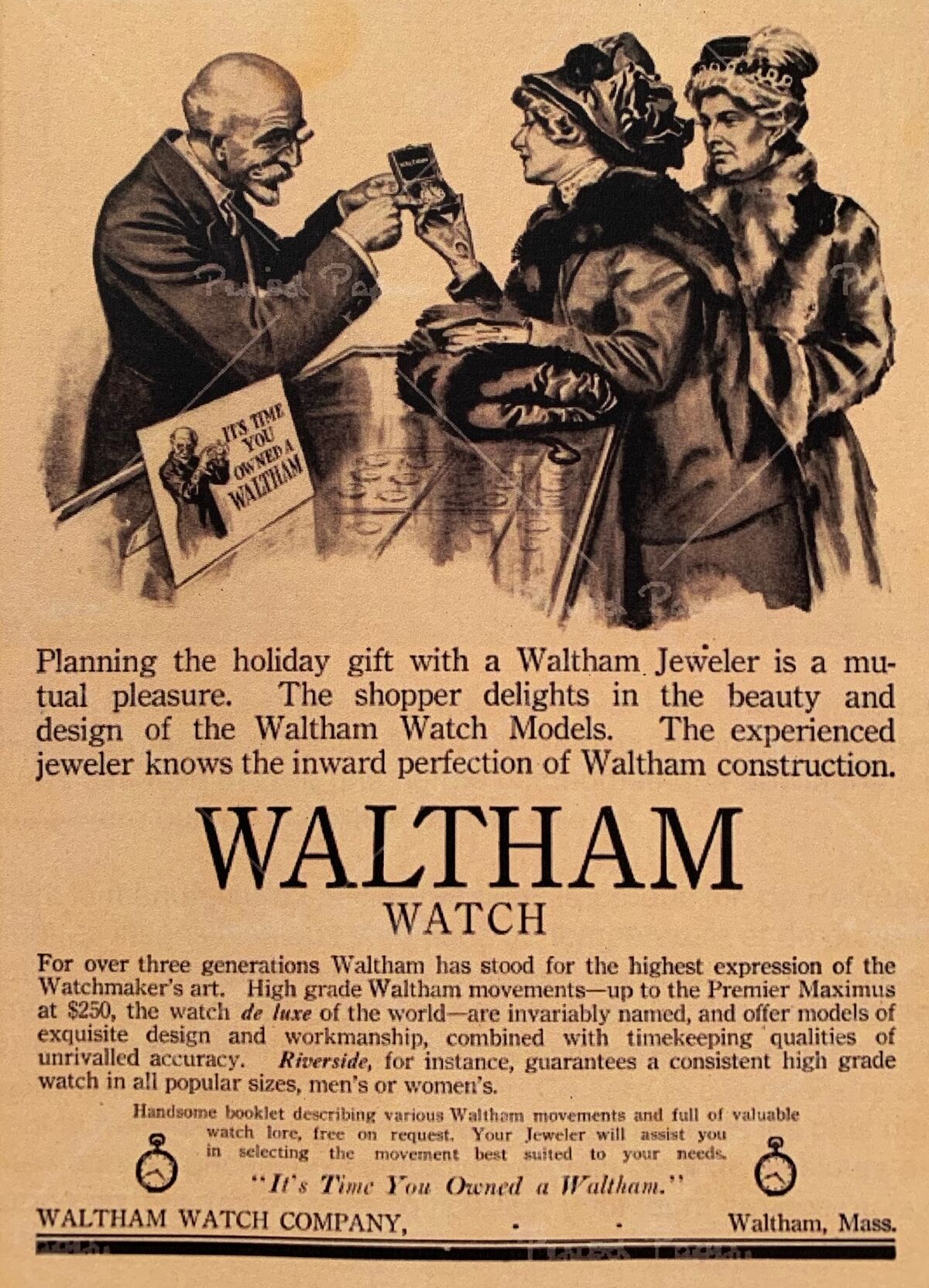

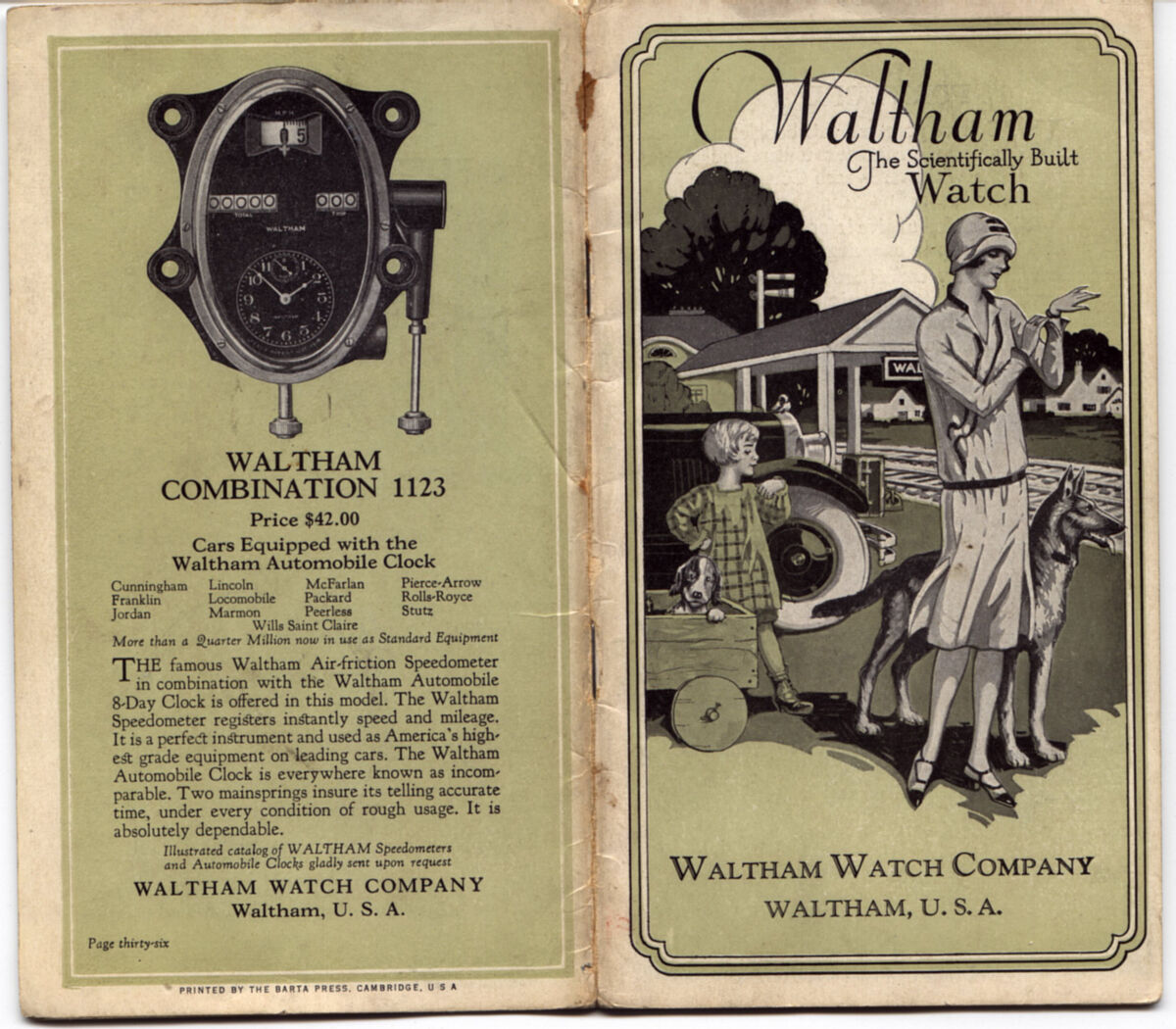

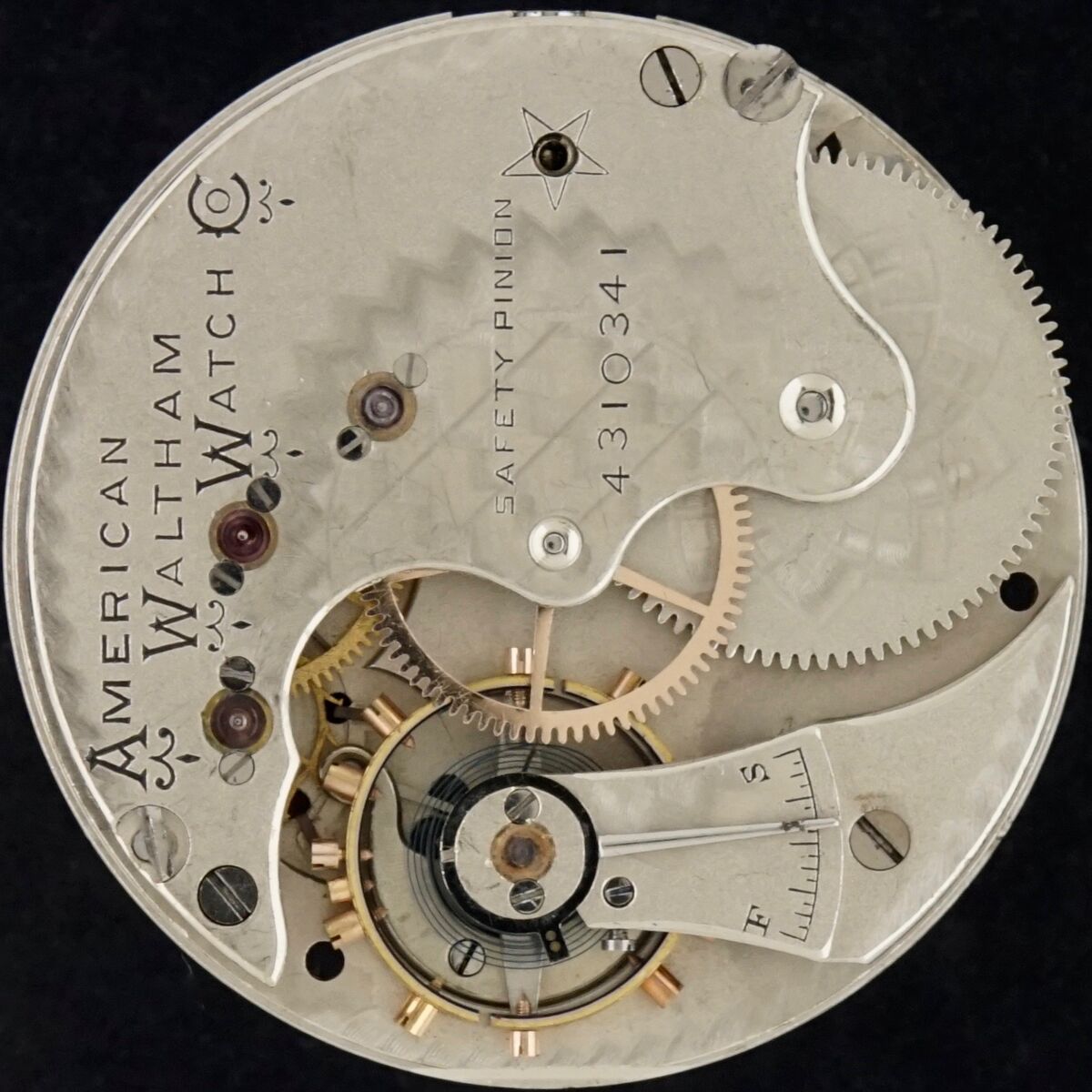
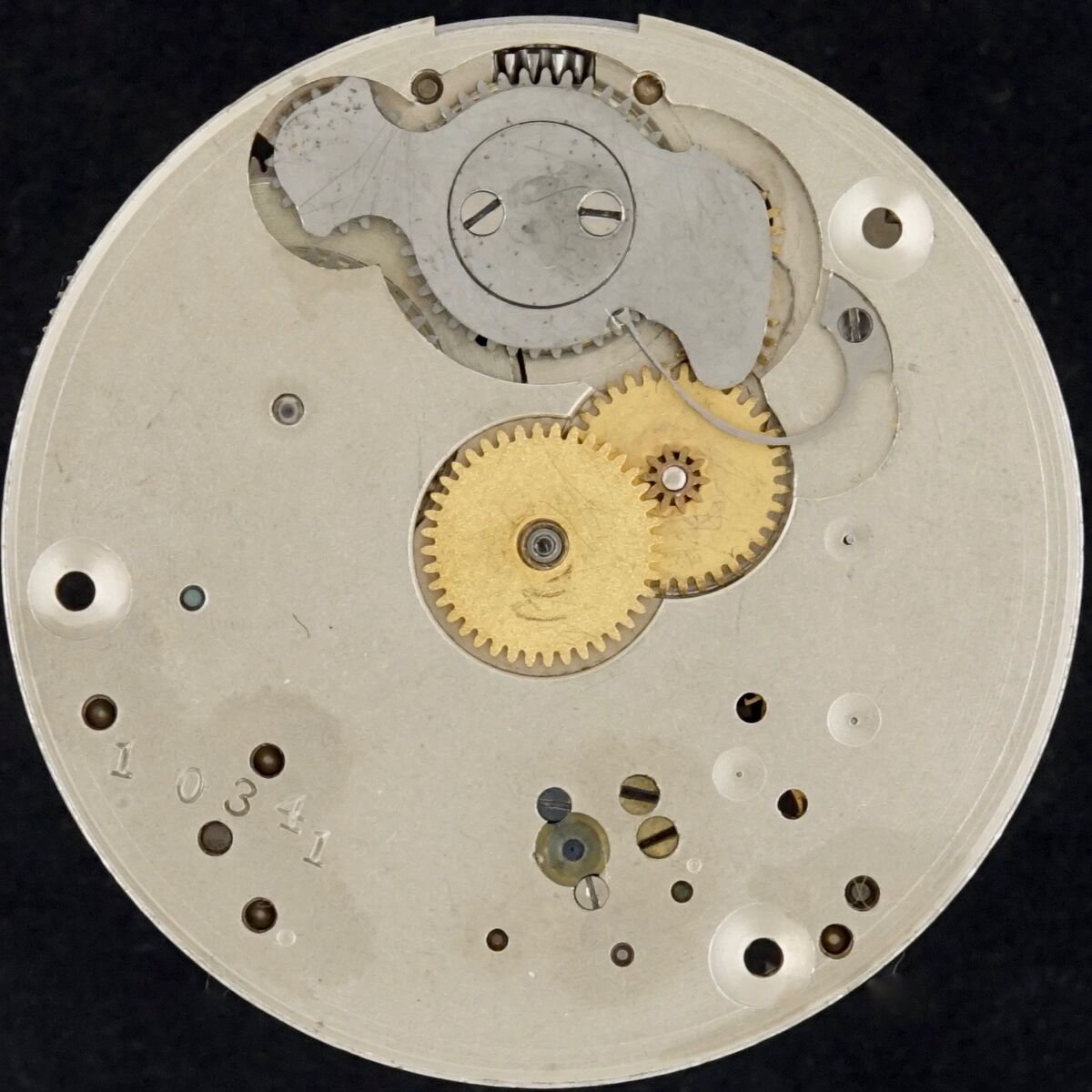
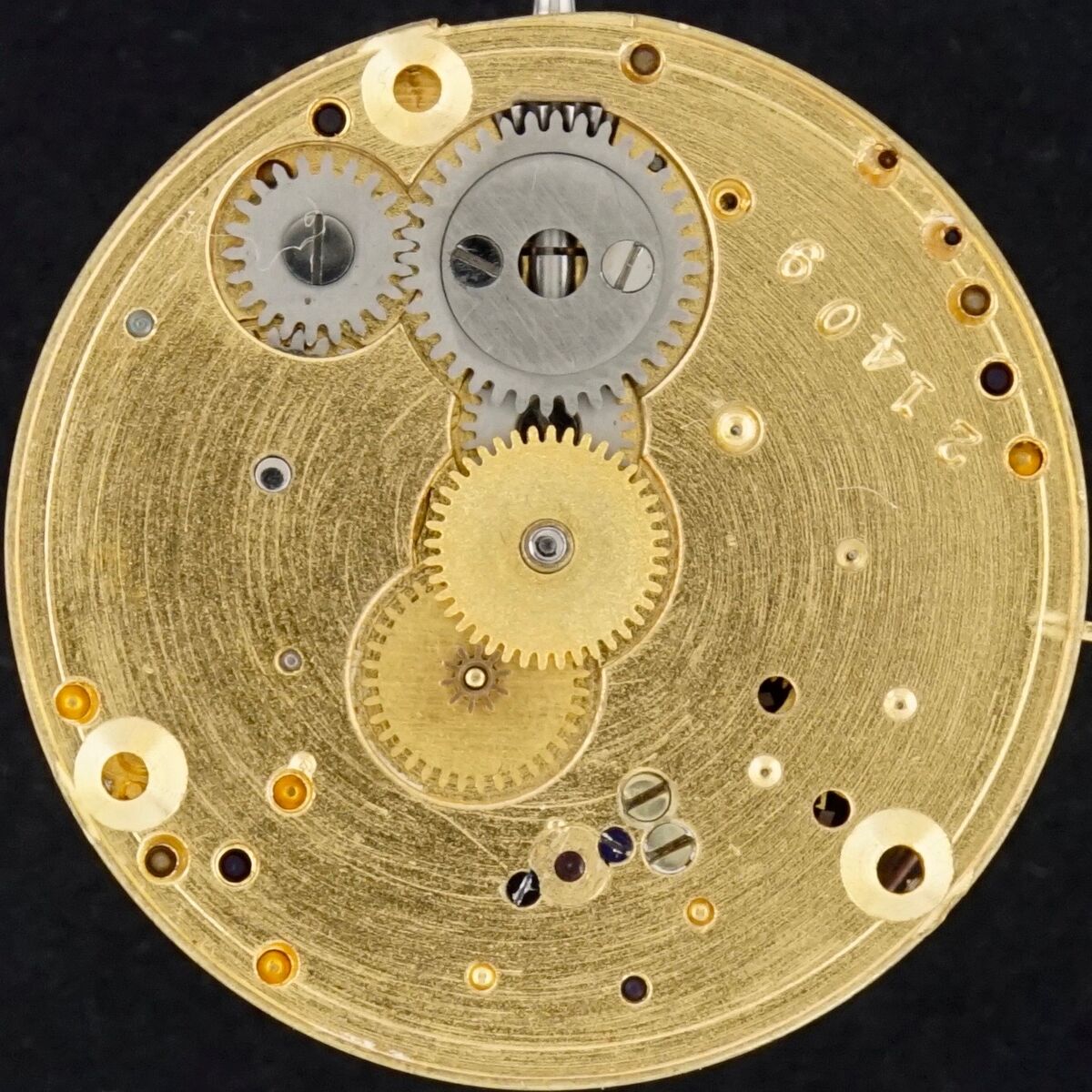
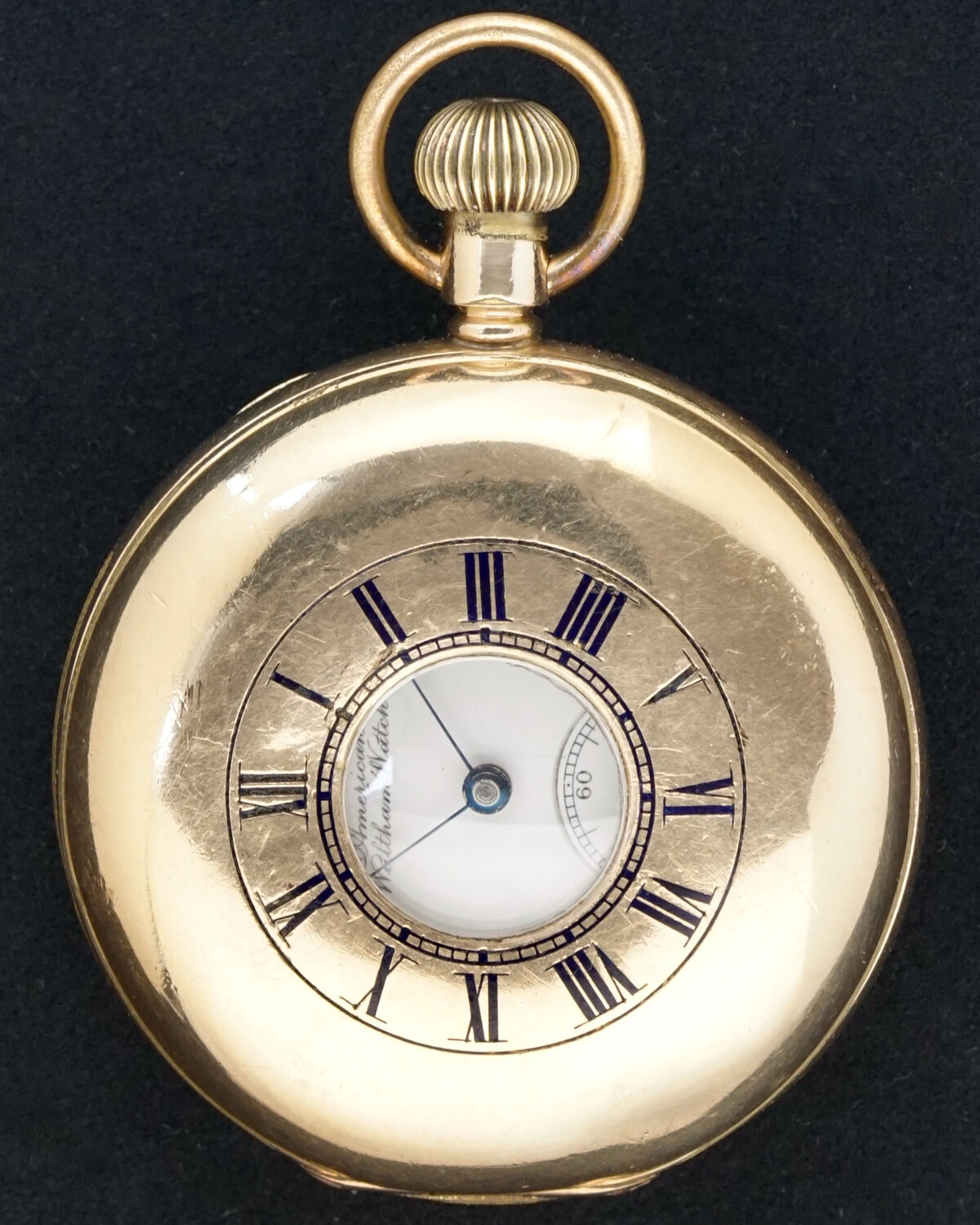
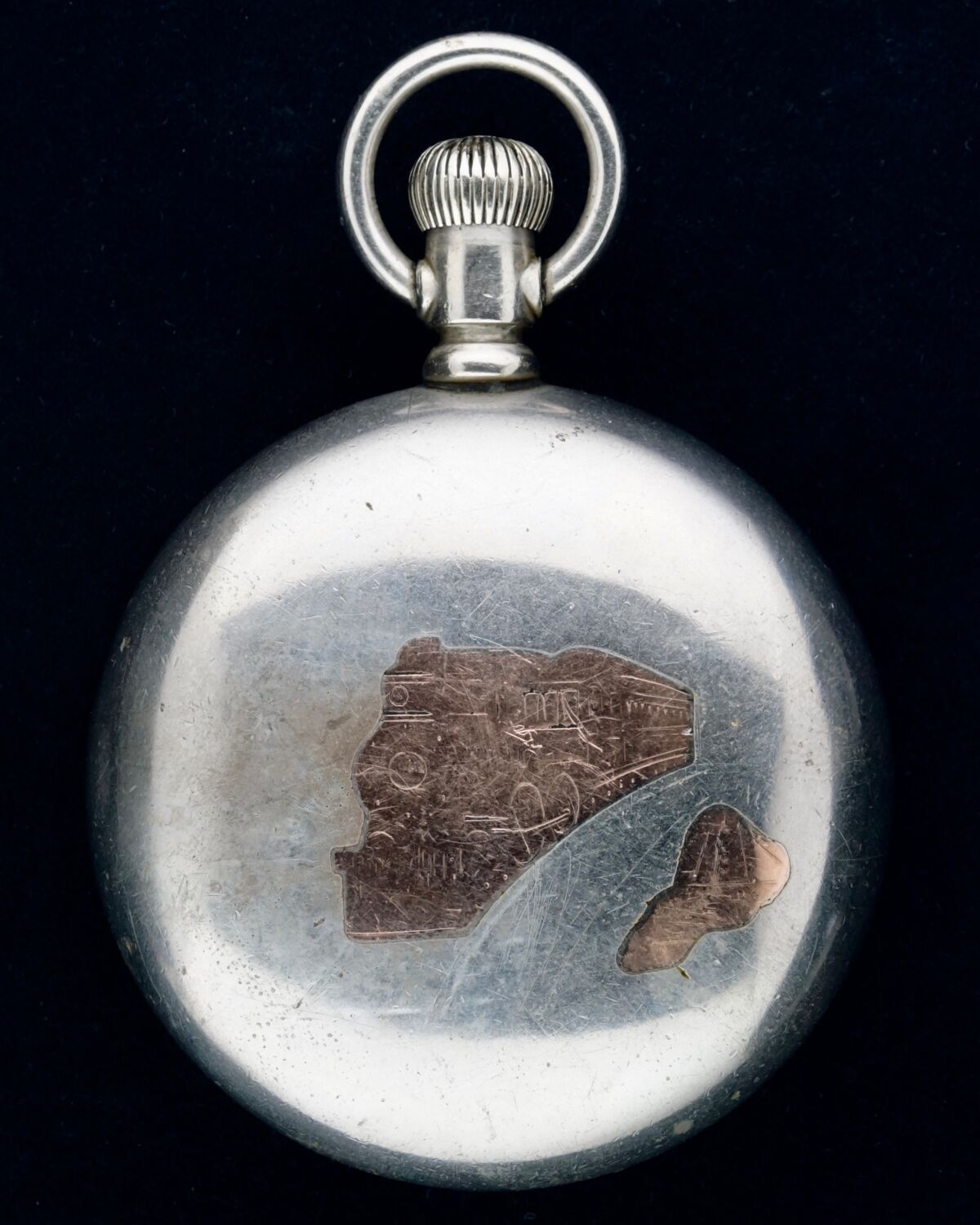
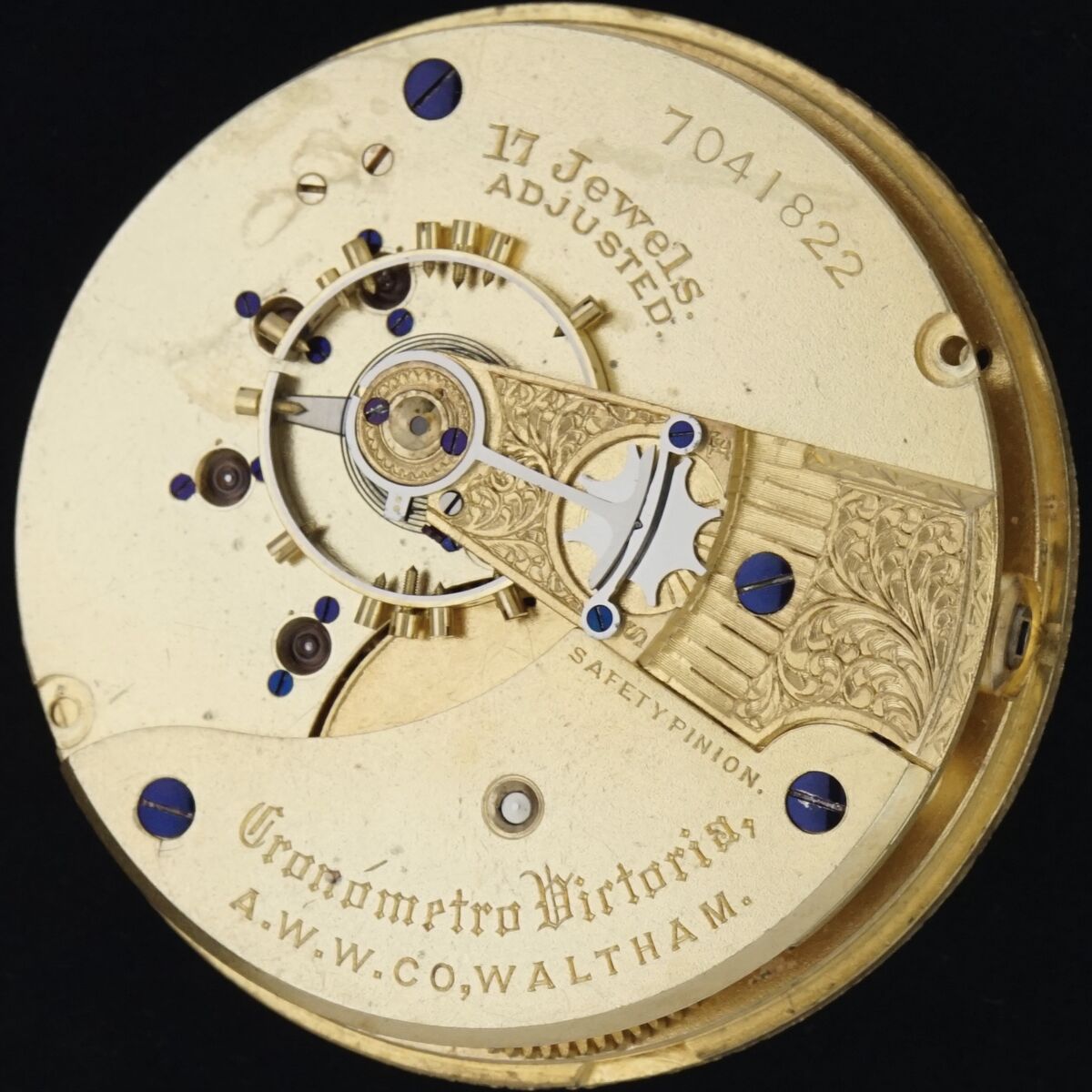
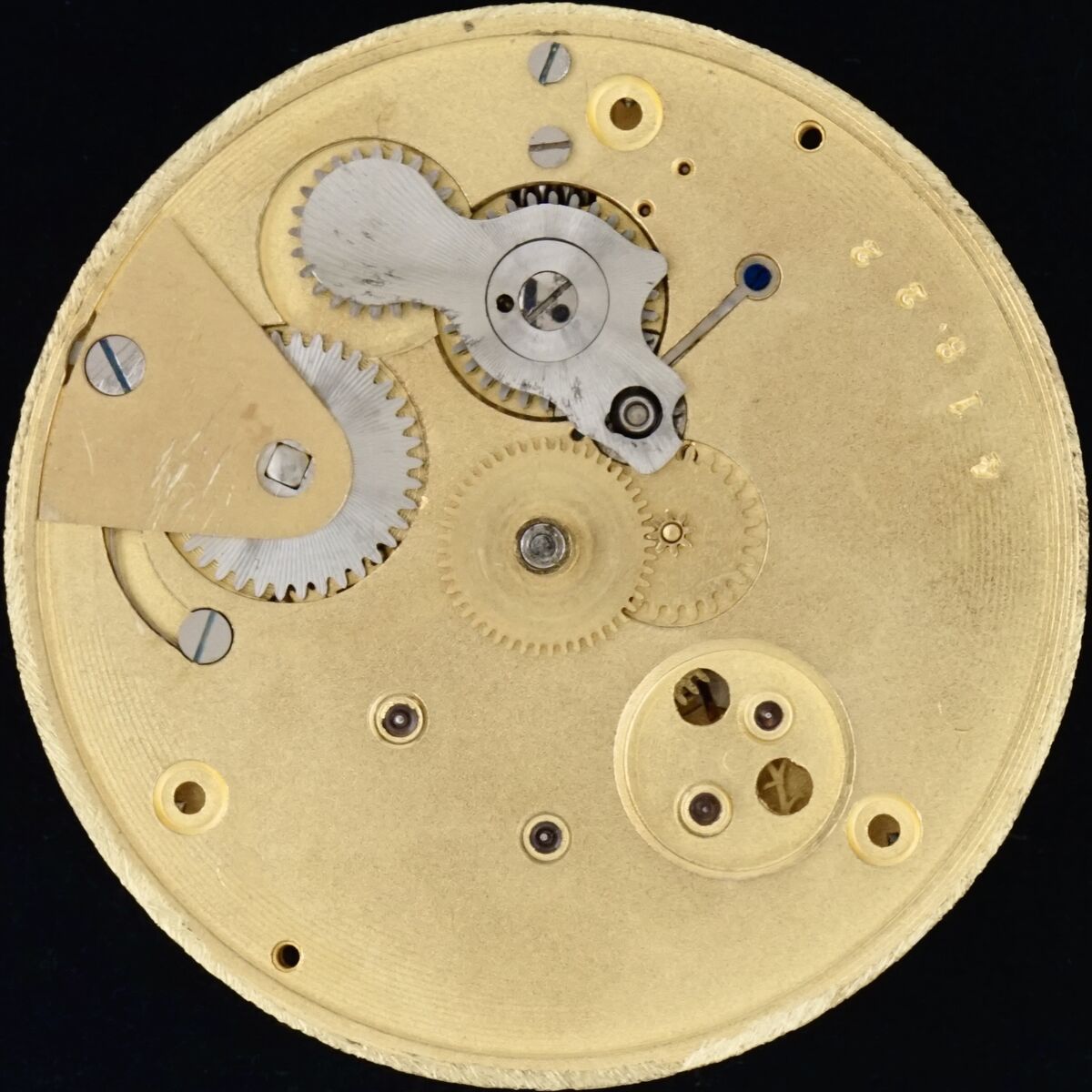
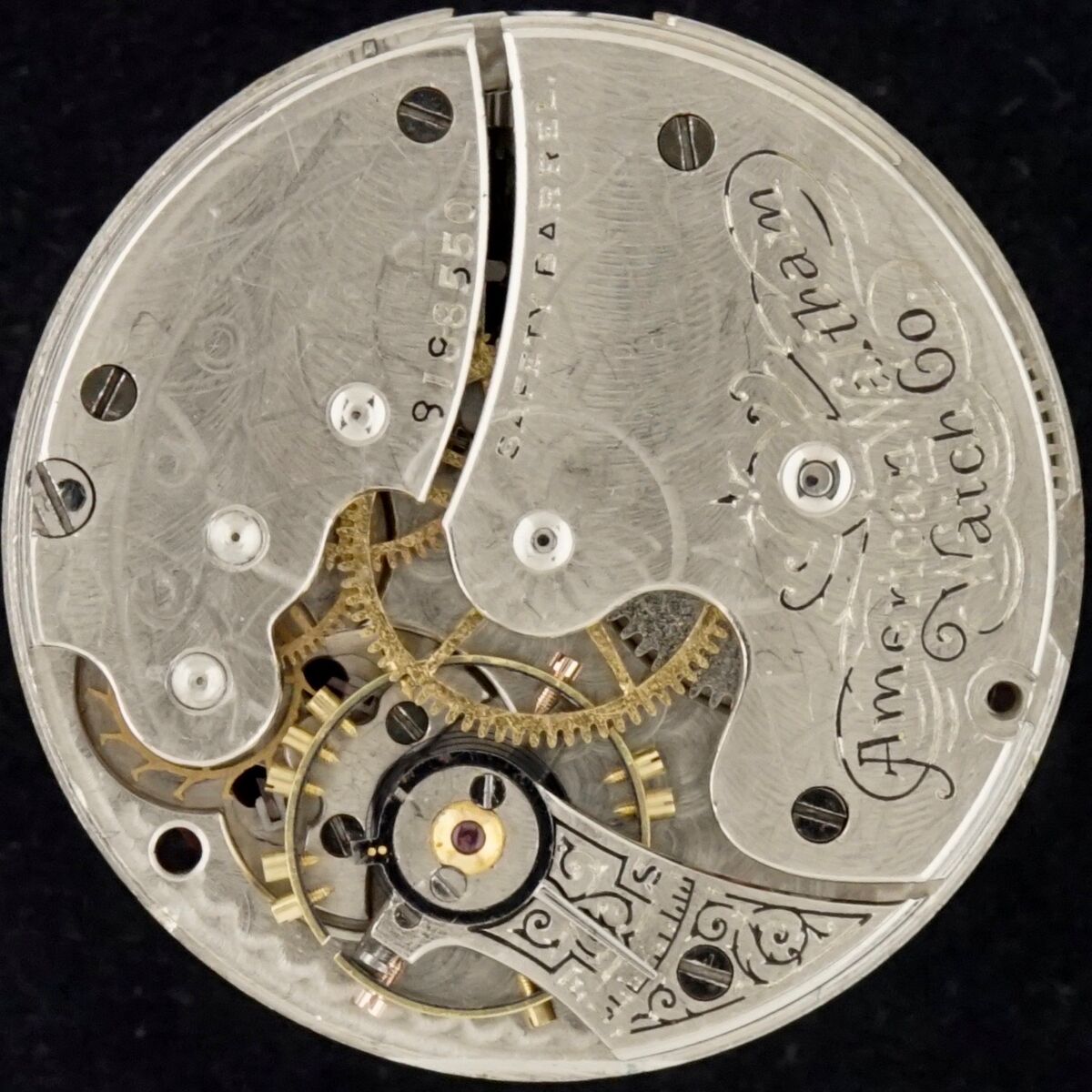
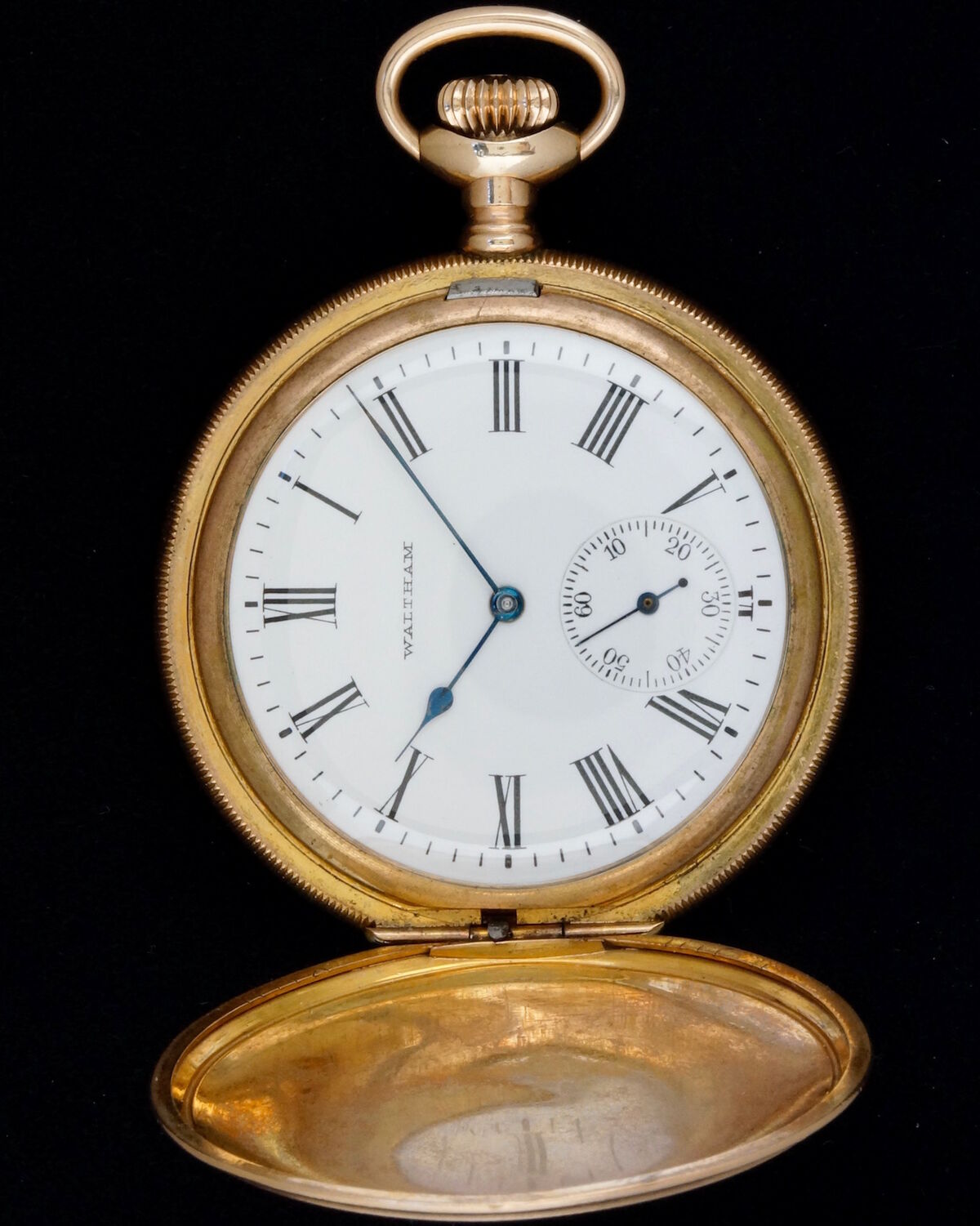
The Watch Company Waltham, also known as the American Waltham Watch Co. is remarkable for its immense production of over 40 million high-quality watches, clocks, speedometers, compasses and other precision instruments. The manufactory founded in 1850 ceased its activities in 1957. The historic manufacturing facility in Waltham, Massachusetts has been retained.
Waltham was a pioneer of the industrial revolution, relying on an in-line manufacturing process. The fragmentation of tasks was soon a fact of life for the company, which enabled it to produce volumes that flooded not only the American market but also the world market.
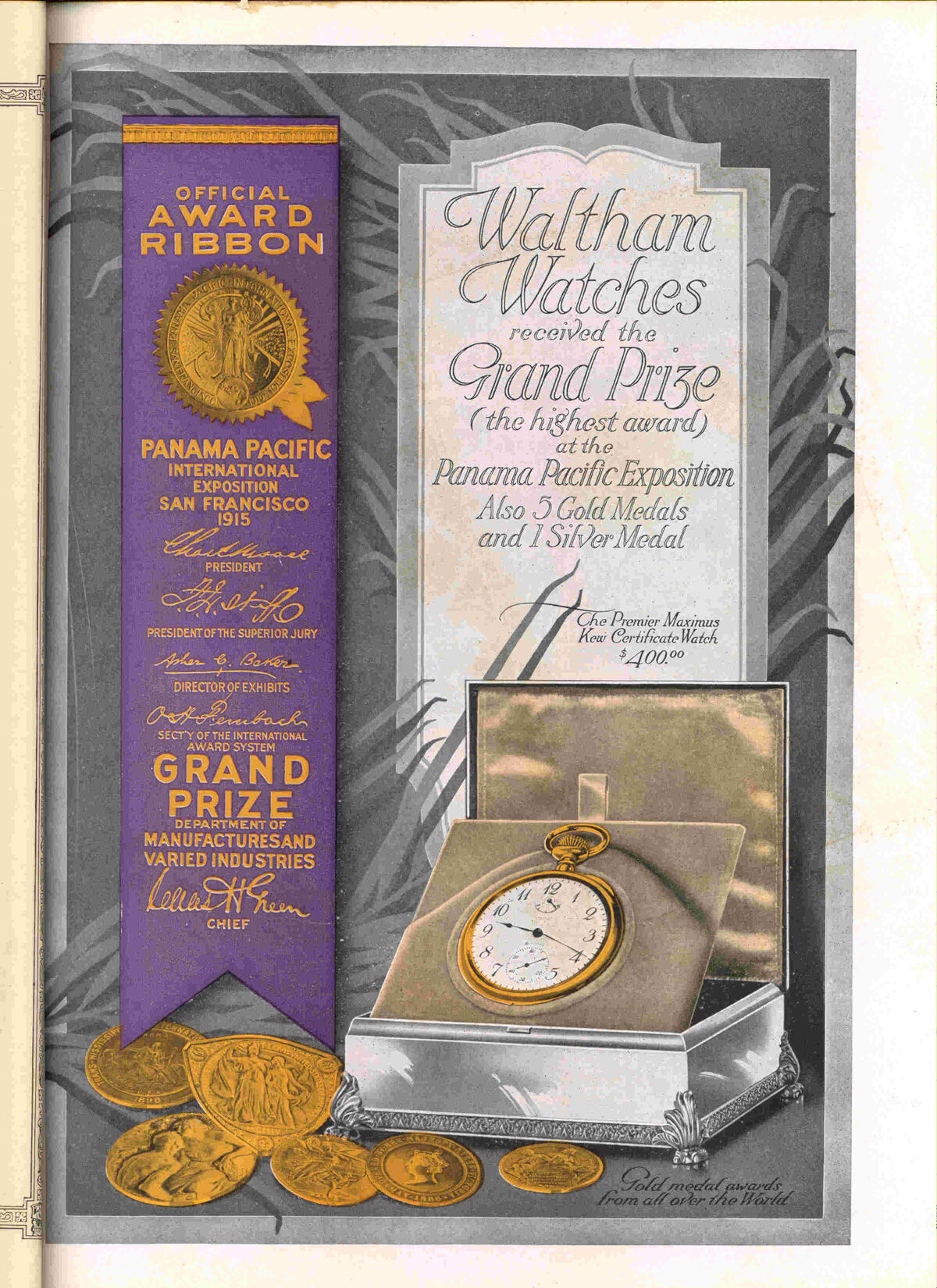
The Waltham factory won the gold medal at the International Precision Watchmaking Competition in 1876 at the United States Centennial Exhibition in Philadelphia.
The adventure began in 1850 with David Davis, Edward Howard and Aaron Lufkin Dennison, who each owned a watch factory. The three men then joined forces in 1859 to create a watchmaking company that would later become the Waltham Watch Company. Their very modern vision of watchmaking led them to implement a parameter that would spread to watchmaking throughout the world: the interchangeability of movement parts.
Of the three creators, Aaron Dennison is the main inspiration for this mode of production, which he discovered in the arms factory in Springfield, Massachusetts. The industrial process is based on the logic of manufacturing by having everything manufactured under the same roof, in the same place, rather than by dispersing production over various sites. Waltham was soon going to produce its own tools and alloys as well. It took more than 12 years from 1858 to 1870 before the factory was reorganized and improved until 1910.
In 1859, the newly named American Watch Company launched a new production unit in its Waltham factory, equipped with special machines designed for its new model, and from then on, the company experienced a continuous growth. The Civil War gave it an unexpected boost: large, compartmentalized units such as armies need to know the time in order to organize and synchronize their movements. In 1858, Waltham produced its 14,000th watch, and by 1864, it had reached its 118,000th. In 1865, the famous soldier's watch, the Ellery, accounted for 44.7% of unit sales and 30.4% of revenues. In the last full year of the conflict - the fiscal year ending January 31, 1865 - profits reached unprecedented levels: 58% of sales and 164% of capital.
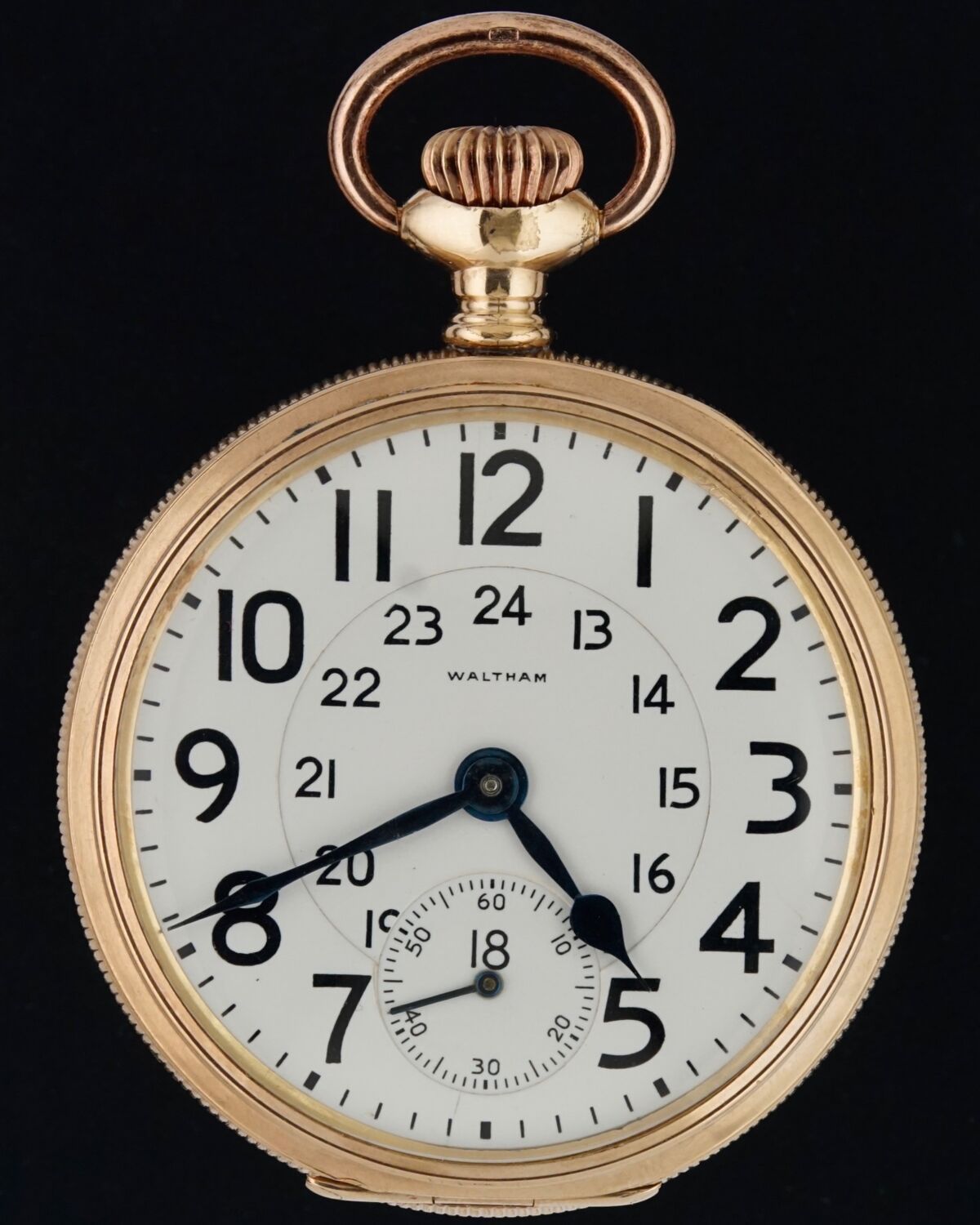
By the end of the 19th century, Waltham had become the leading supplier of Railroad Chronometers to railroads in North America and most other countries around the world. In 1876, Waltham introduced the first automatic screwdriver on its machines. The machines developed made it possible to manufacture infinitely small parts that were not accessible to European workers. Many Swiss manufacturers were inspired by the model created by Waltham to organize the workshops of the large Swiss factories.Waltham voue un tel culte à la précision que bien avant les autres manufactures, y compris suisses, la marque s'équipe d'un observatoire astronomique interne d'une technologie très avancée et crée une norme chronométrique appliquée à ses montres, plus sévère que ce qui existe partout ailleurs.
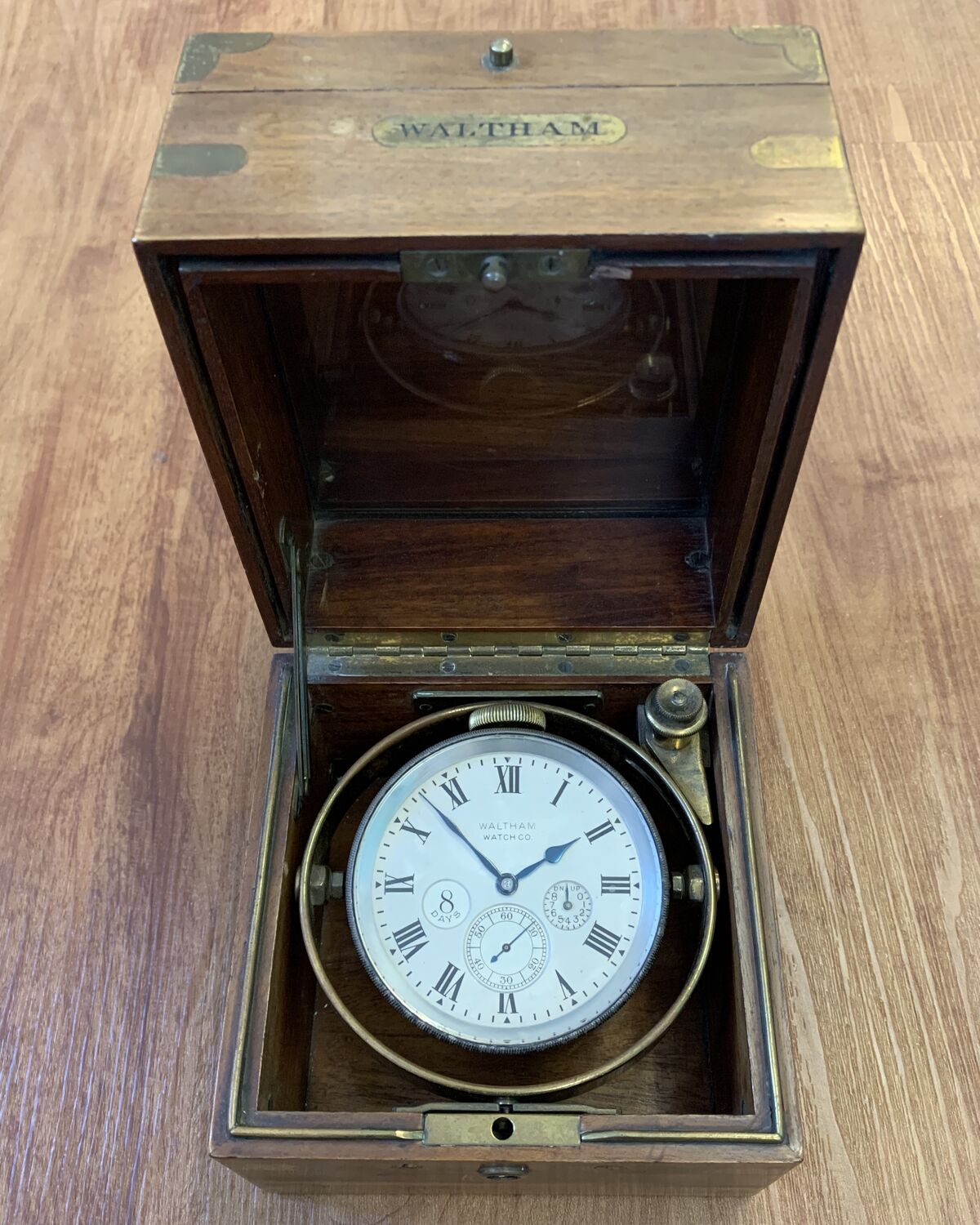
Not only did the factory specialising in the production of Railroads design stopwatches that are insensitive to variations in temperature and atmospheric pressure, but they also have a long service life. The success was therefore immense, and three generations in the history of the railways adopted Waltham watches. The brand eventually became so renowned for its reliability that explorers ended up using them. This was the case for Perry and Shackelton who adopted the brand and wore it in the most important events. The governments of the United States, then Canada and finally those of several countries as far away as Europe made it "official" watches for their armies or staff services.
The Waltham watch company closed its doors and went bankrupt in 1949. The factory reopened briefly a few times (mainly for finishing and for existing stocks of watches for sale). Several different plans were developed to revive the company but none of them were successful. In 1958, the company decided to restructure itself differently.
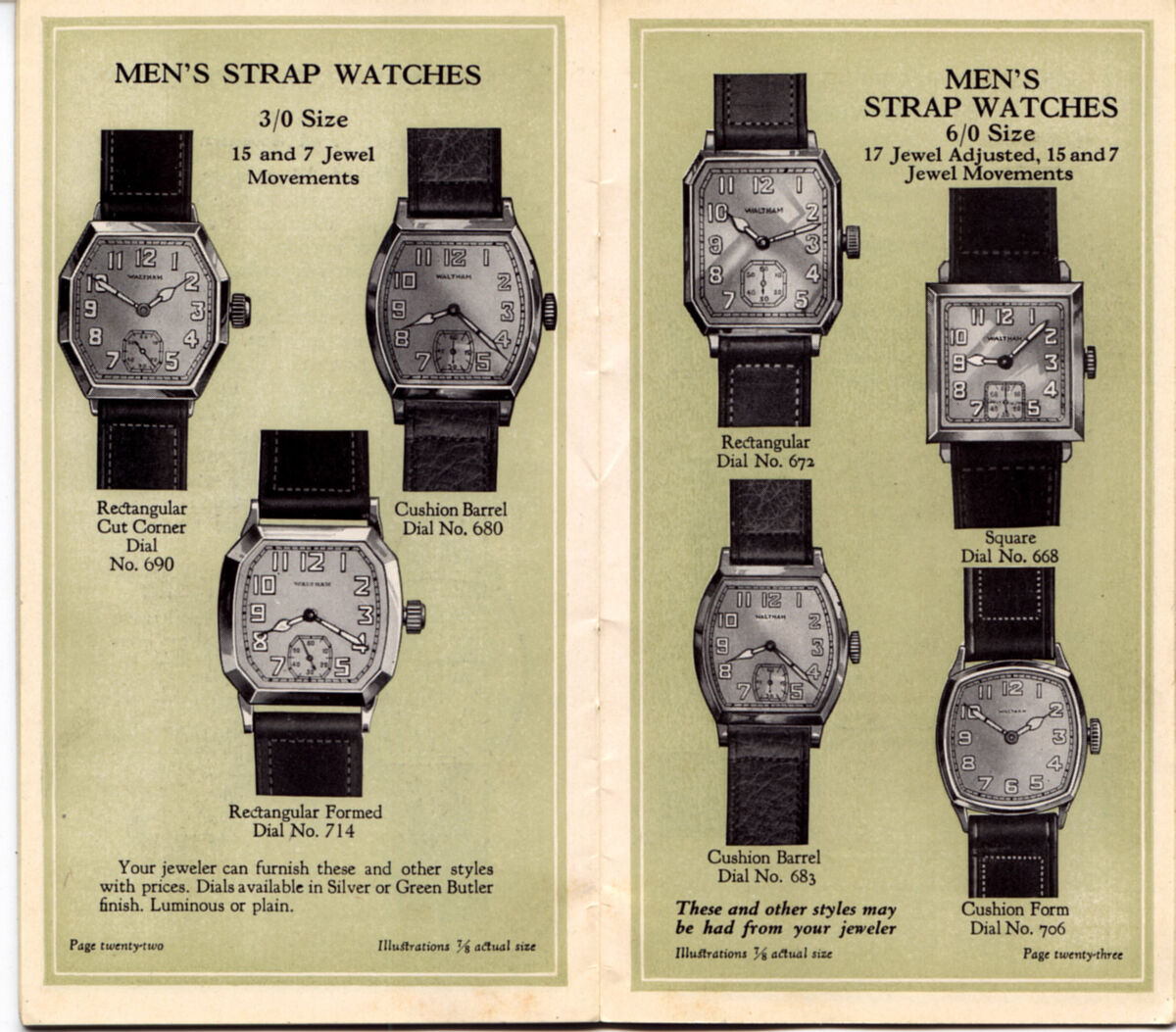
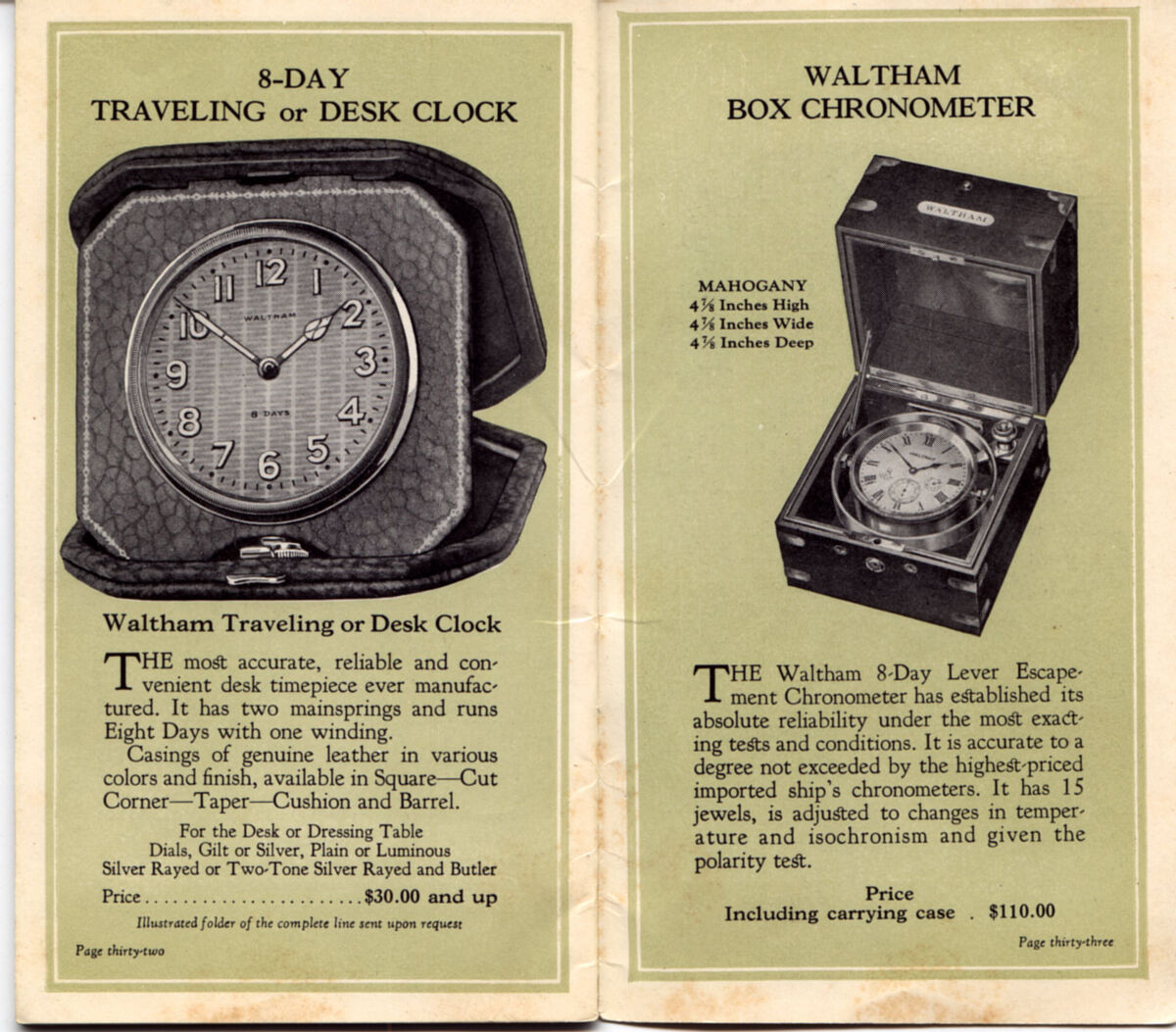
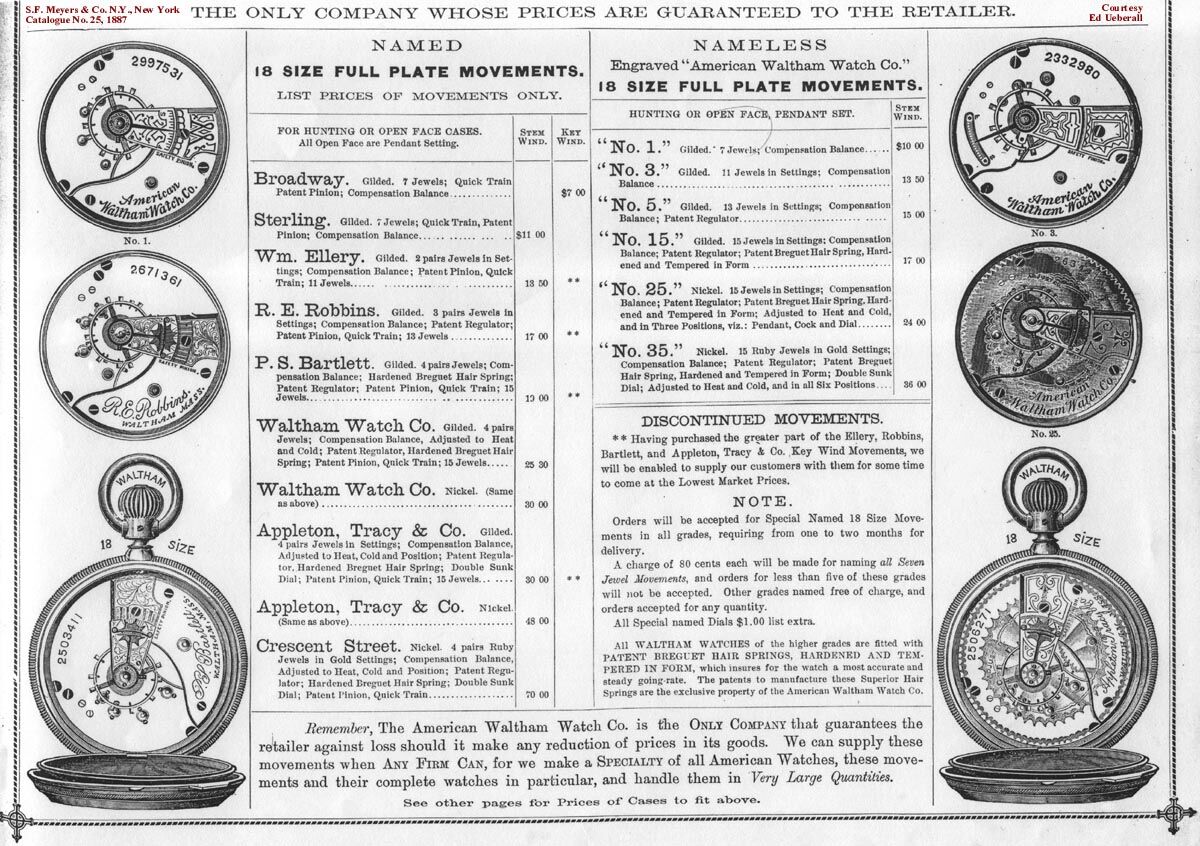
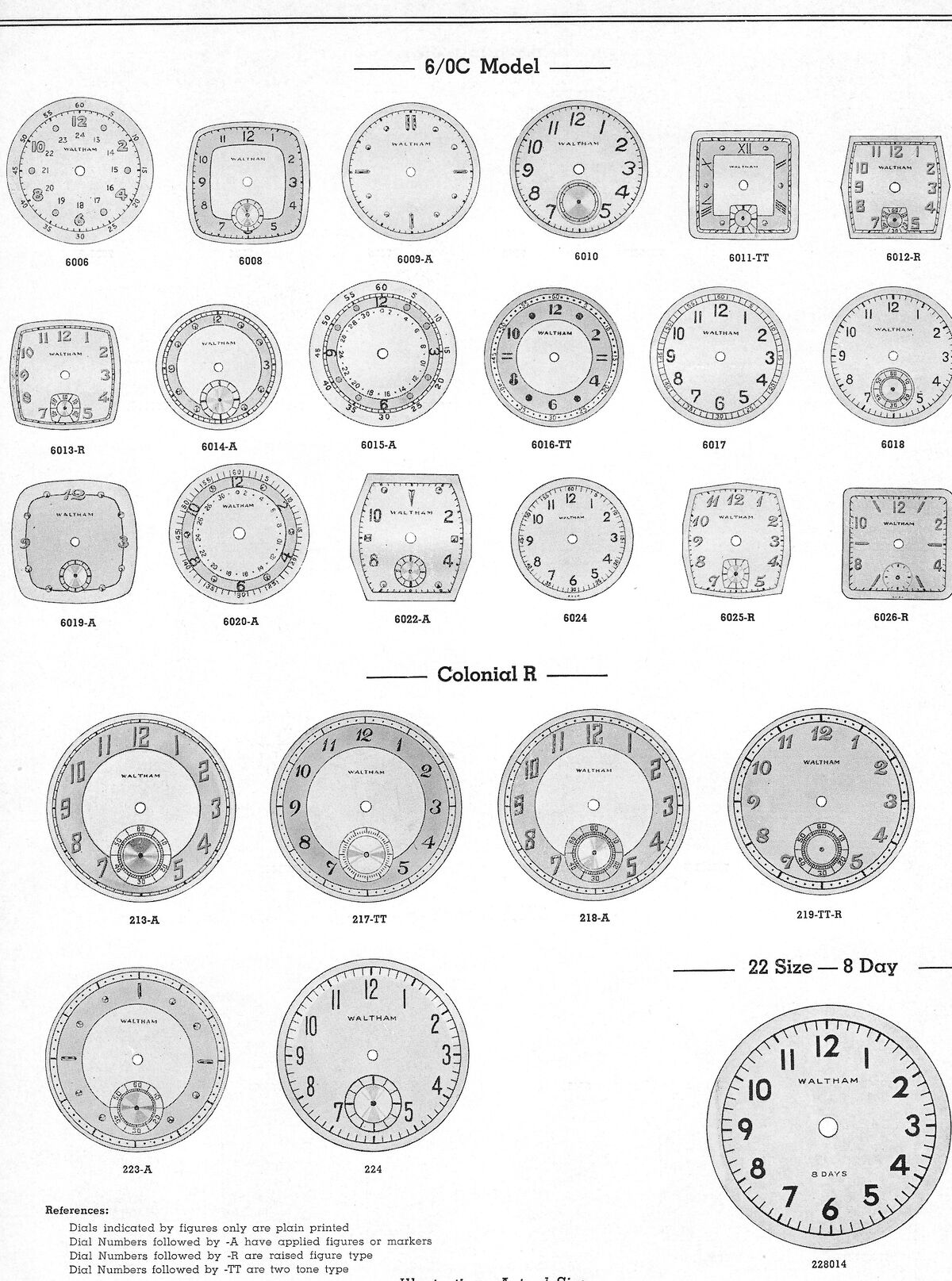
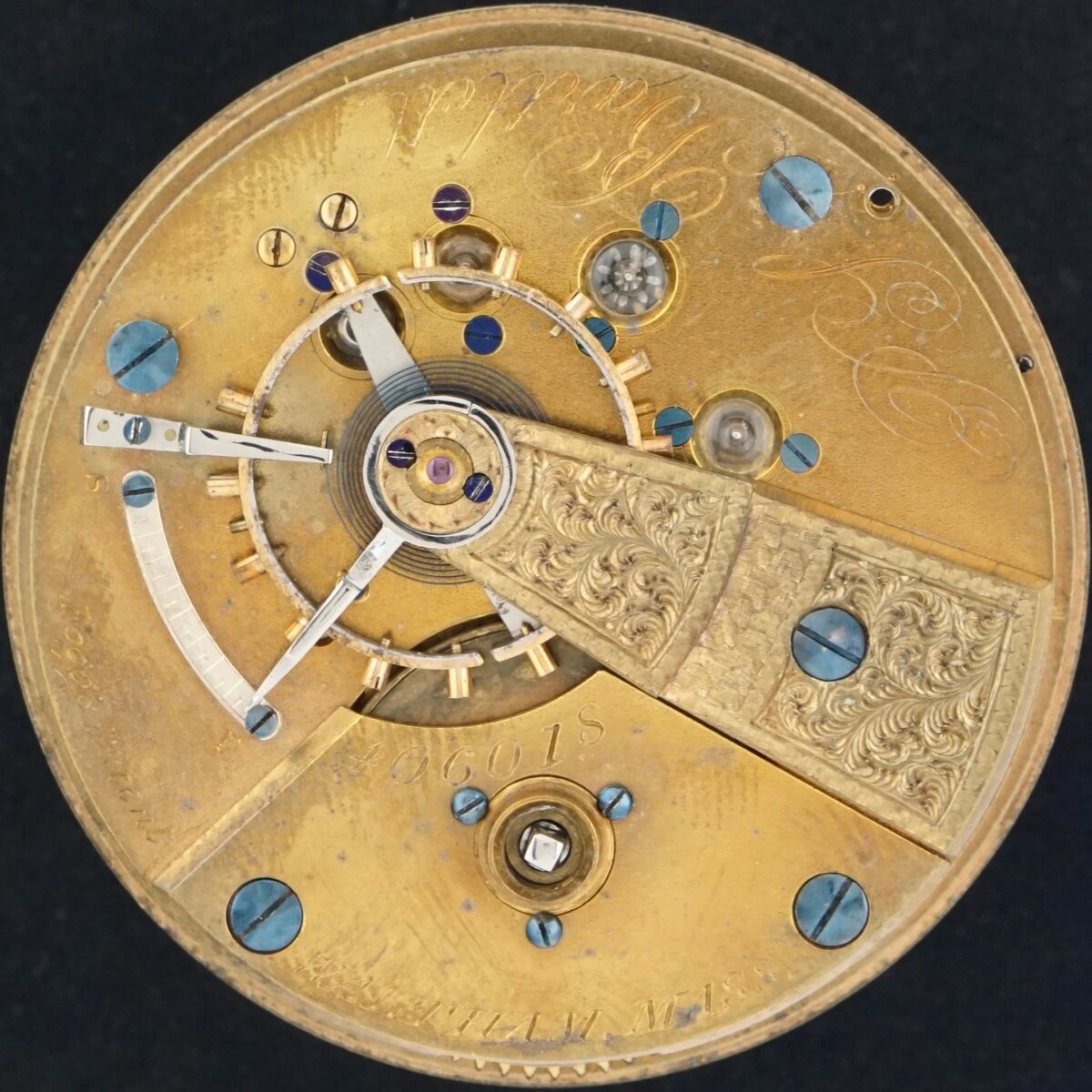
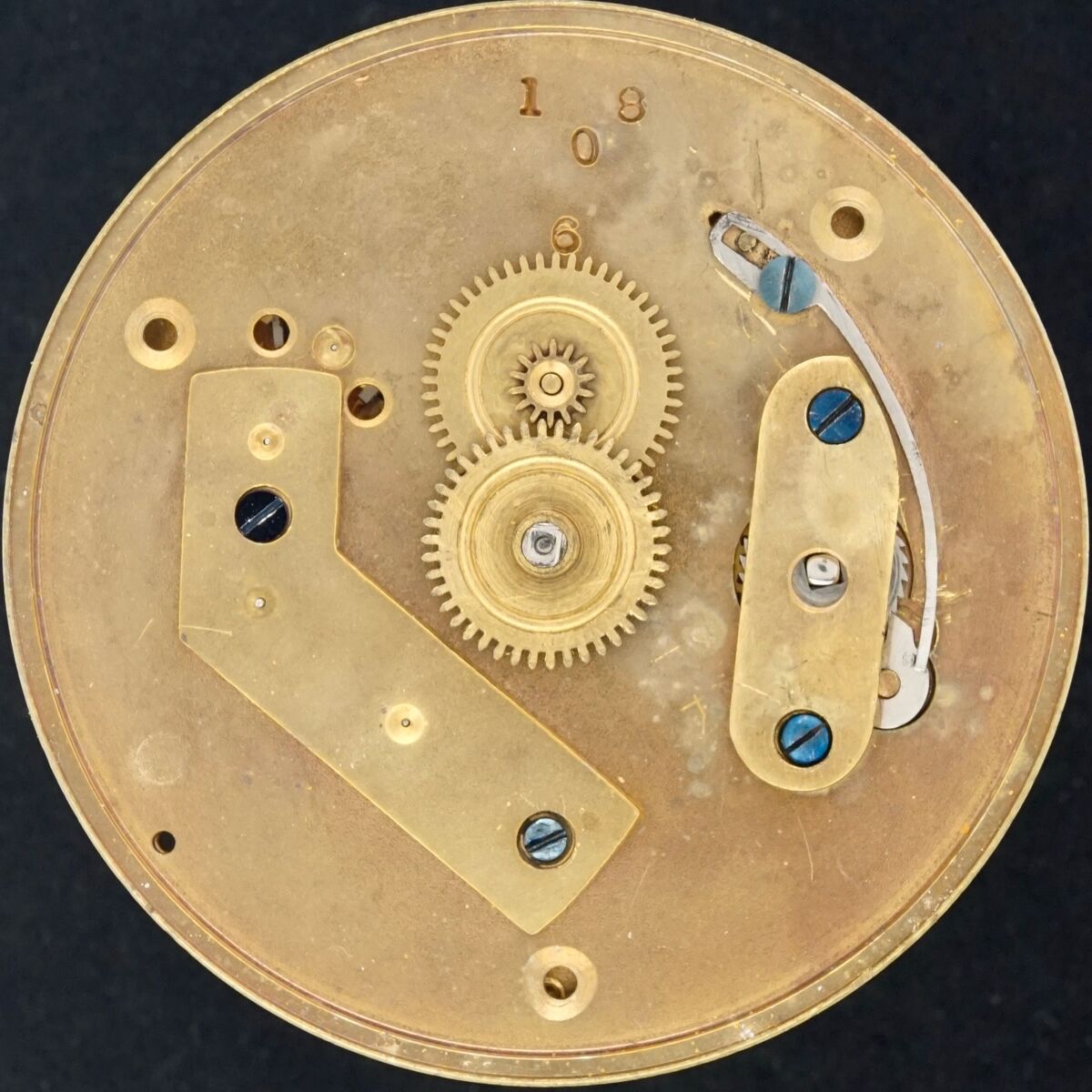
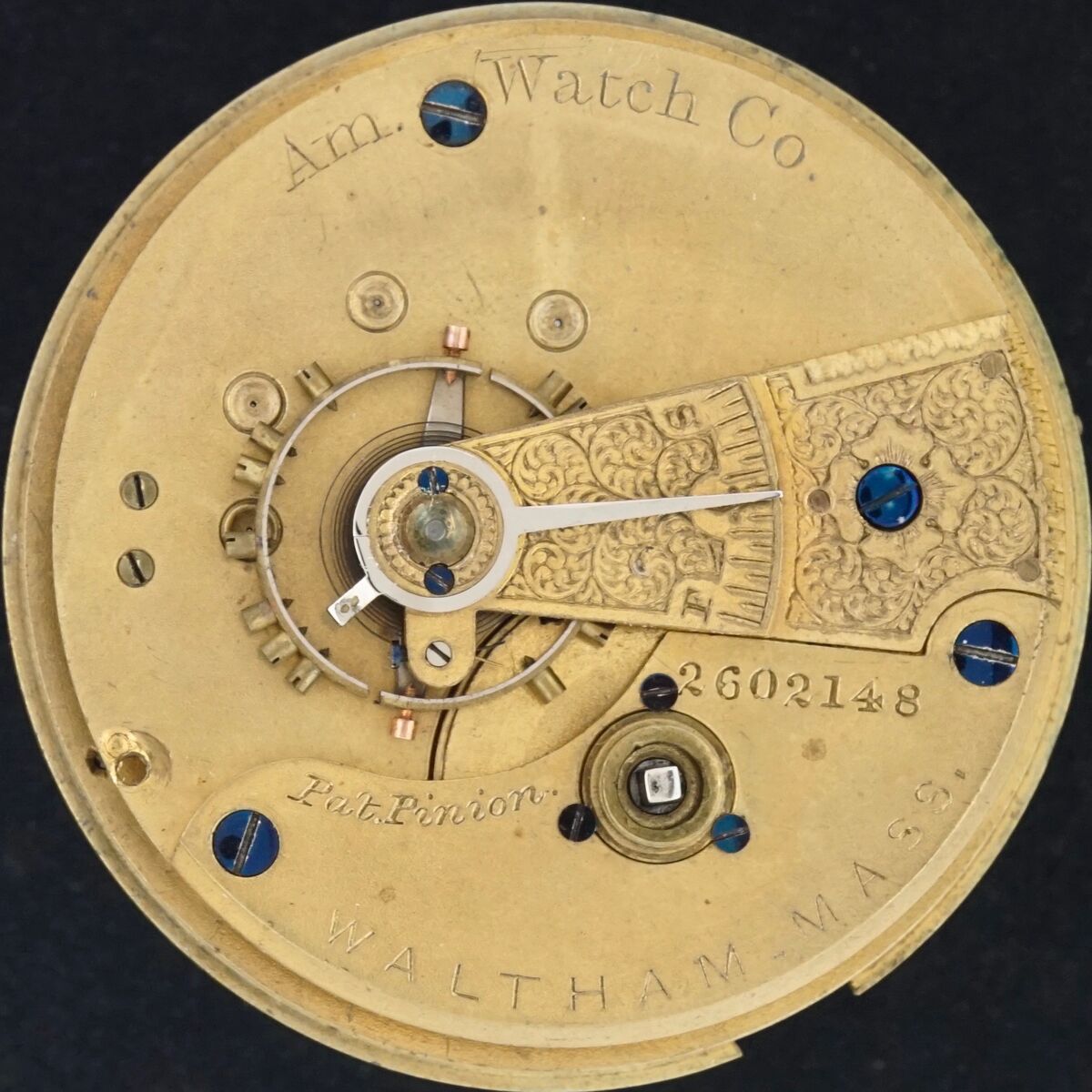
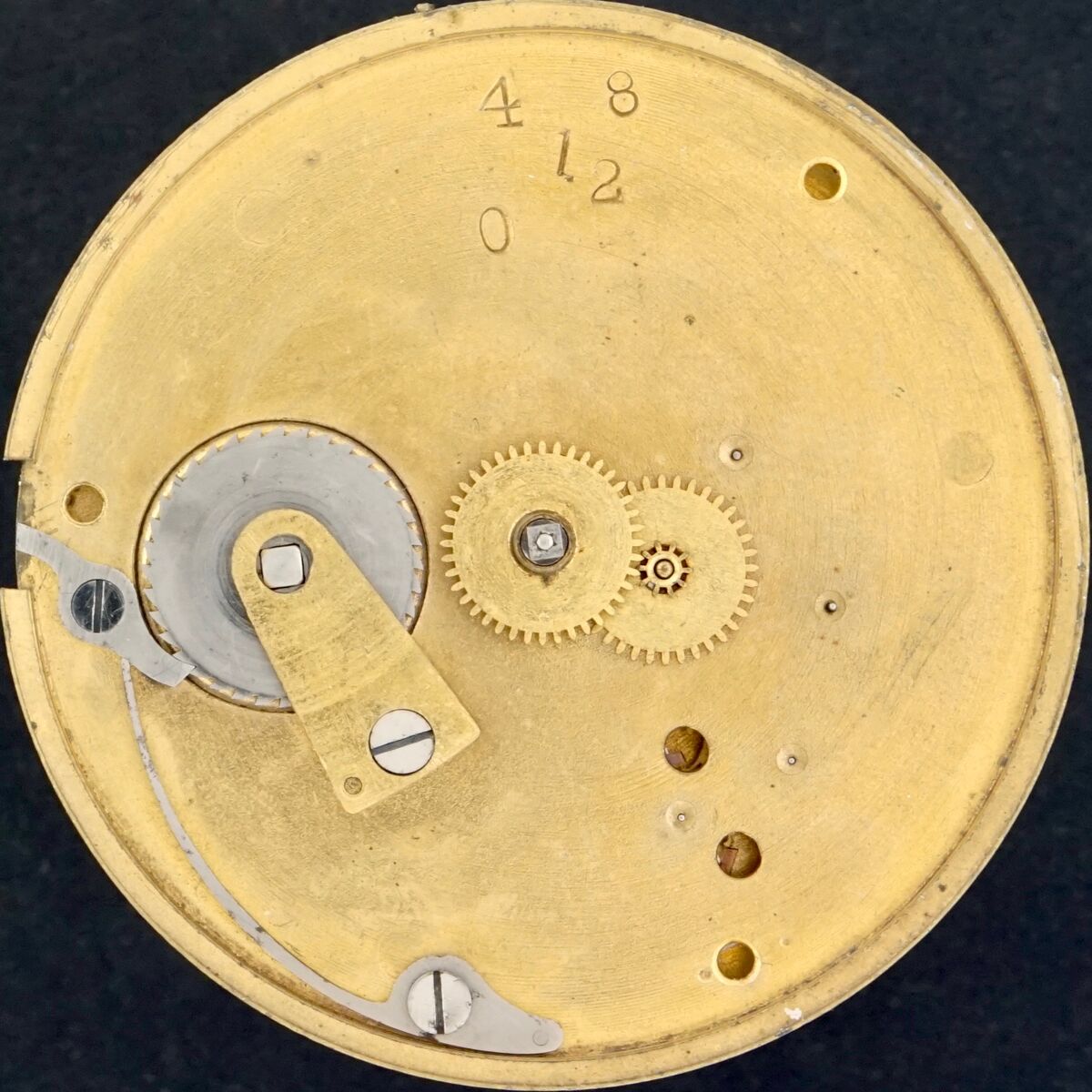
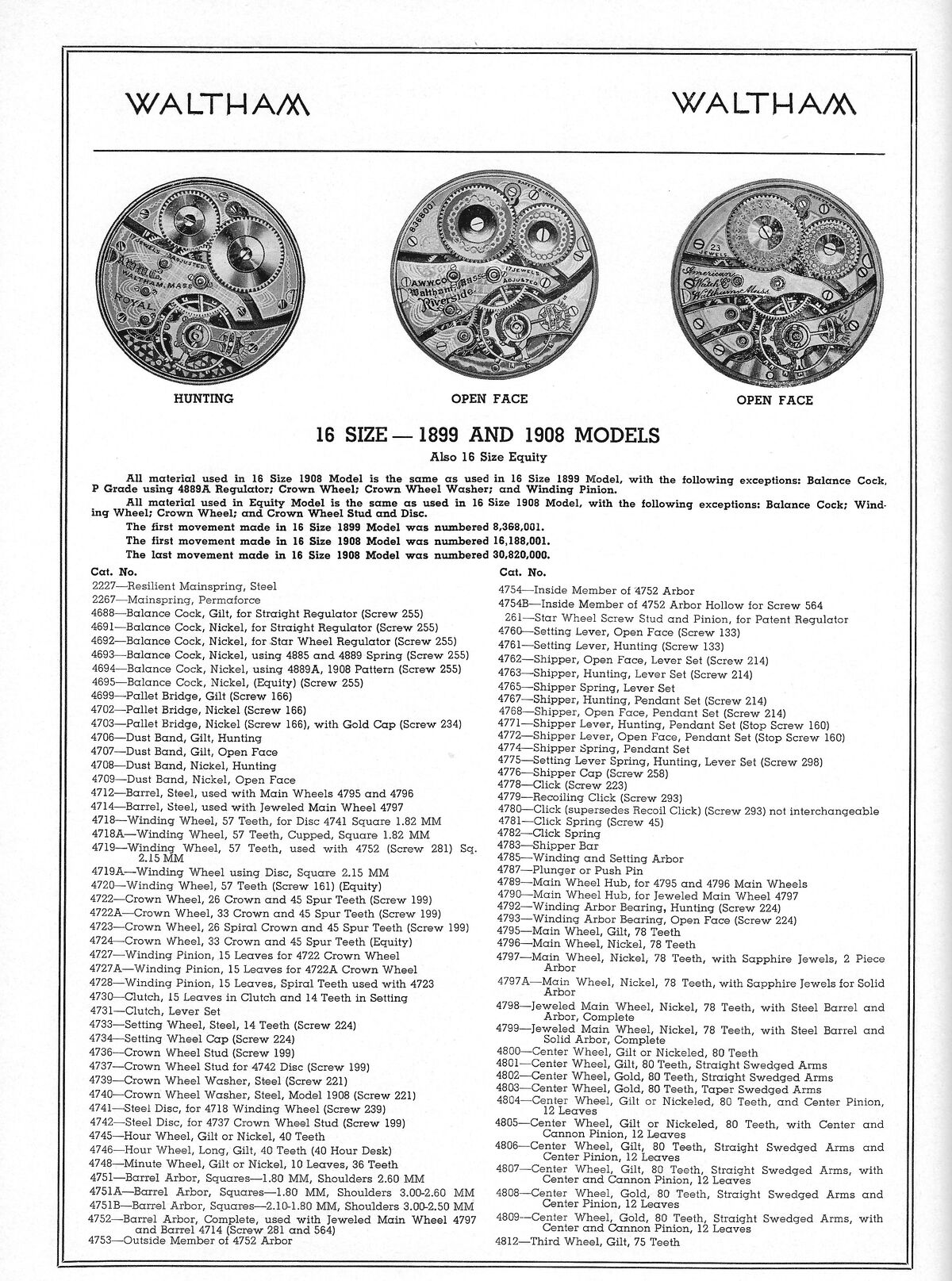
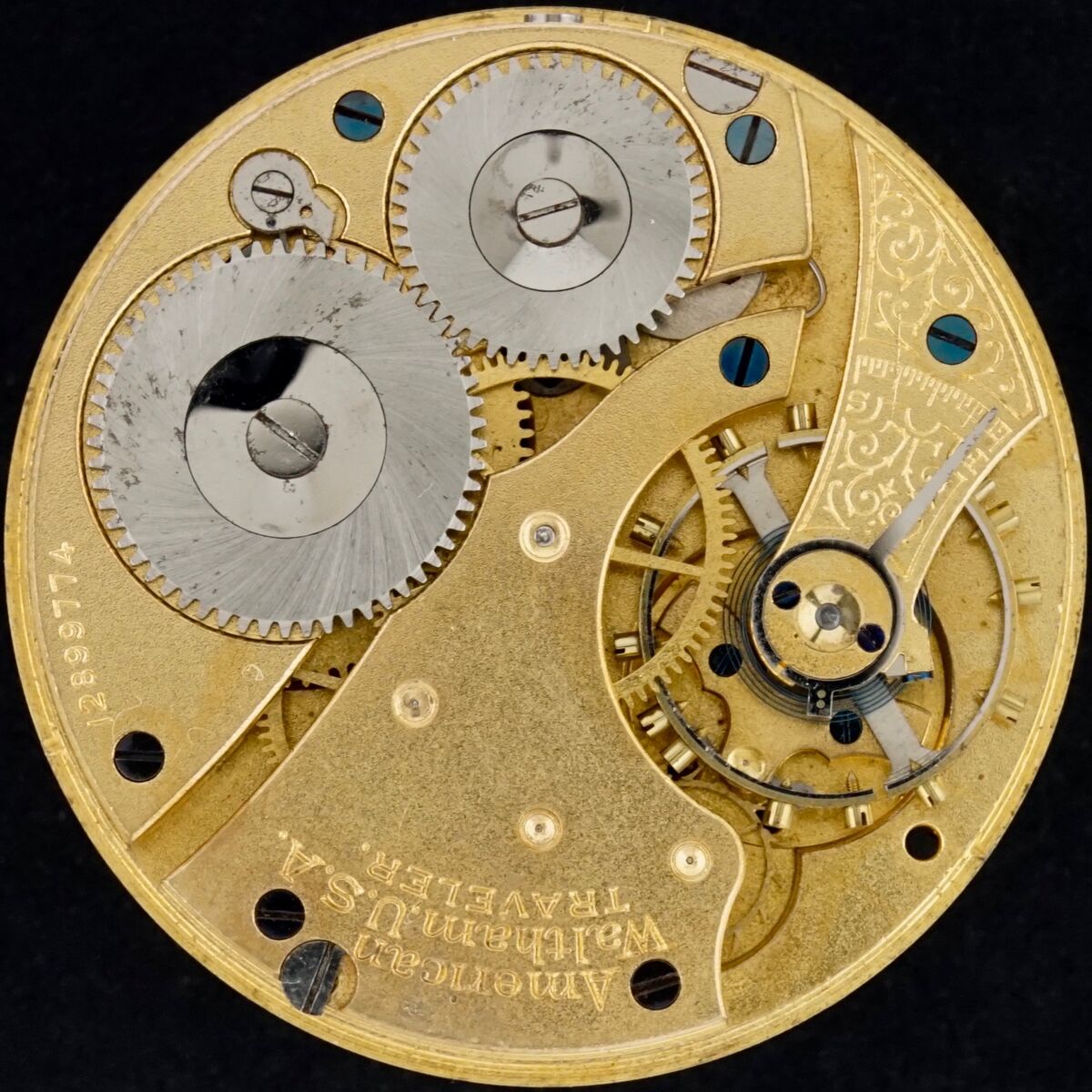
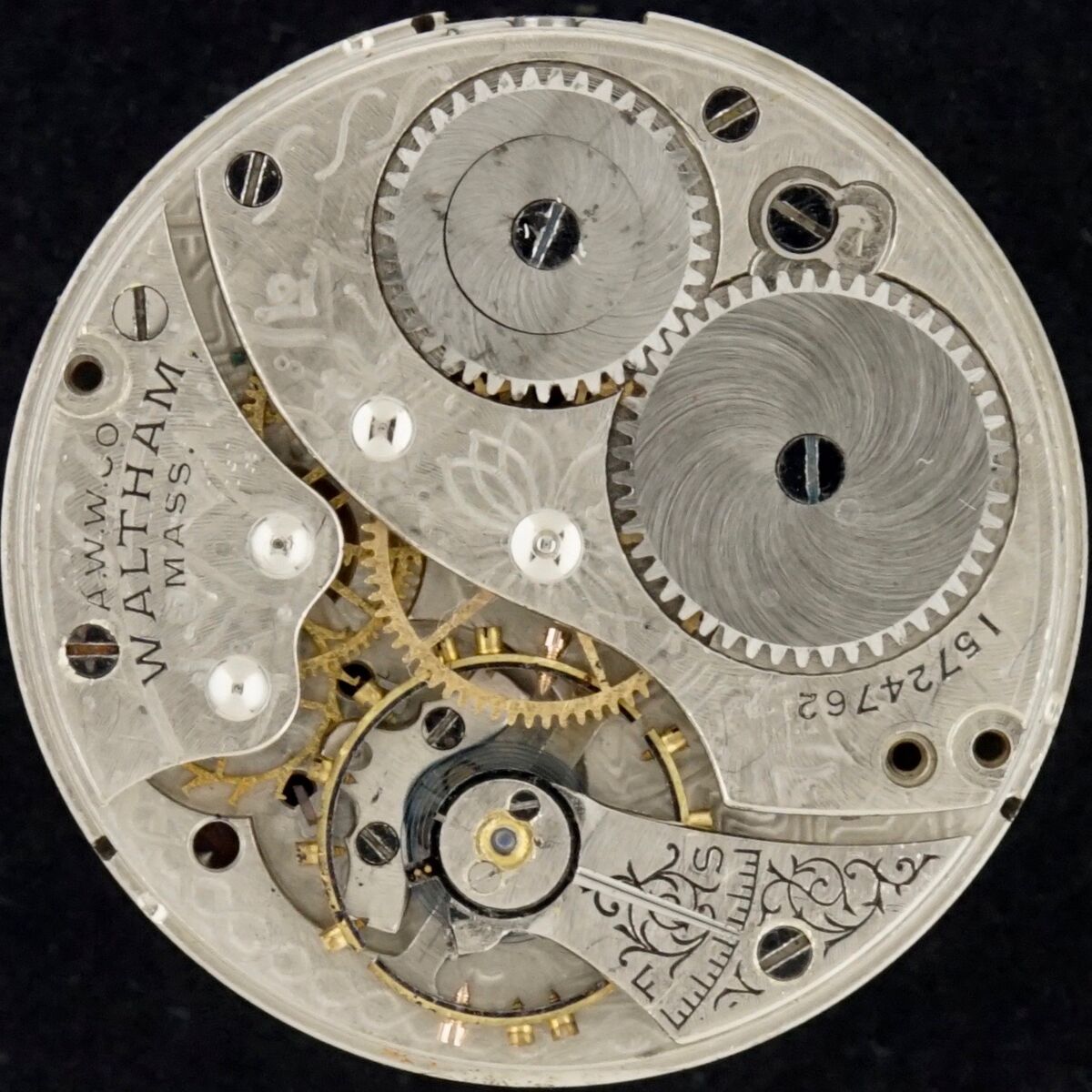
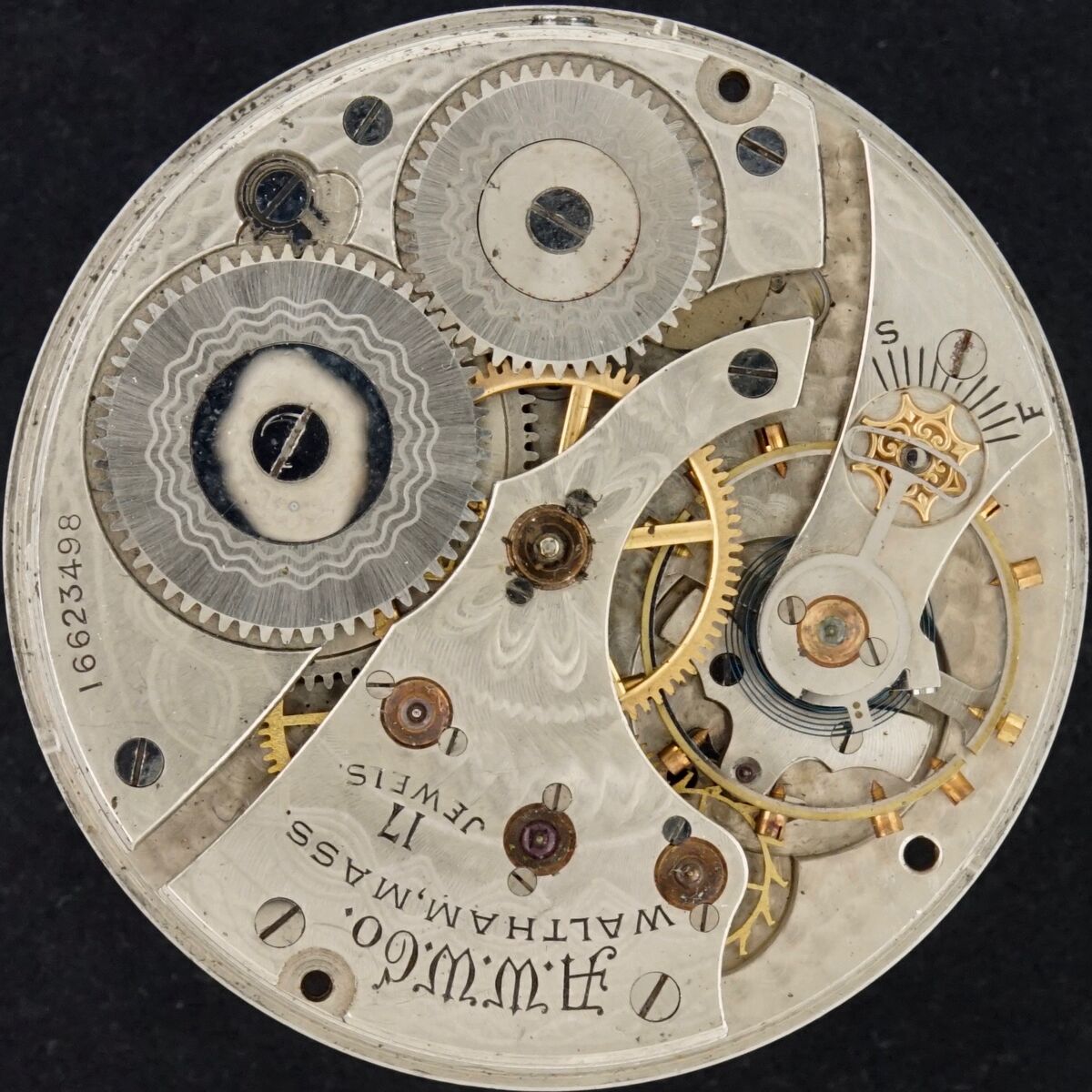
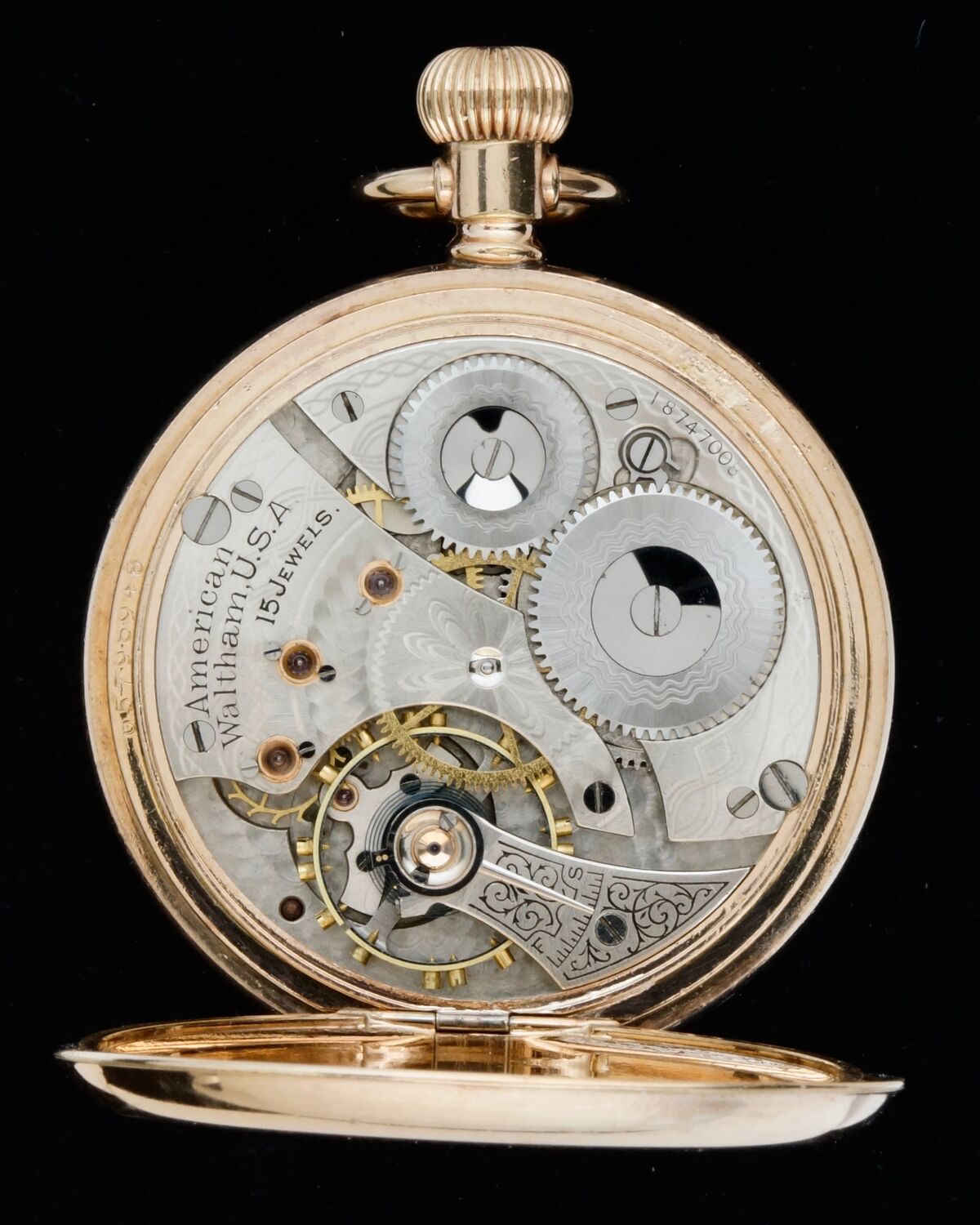
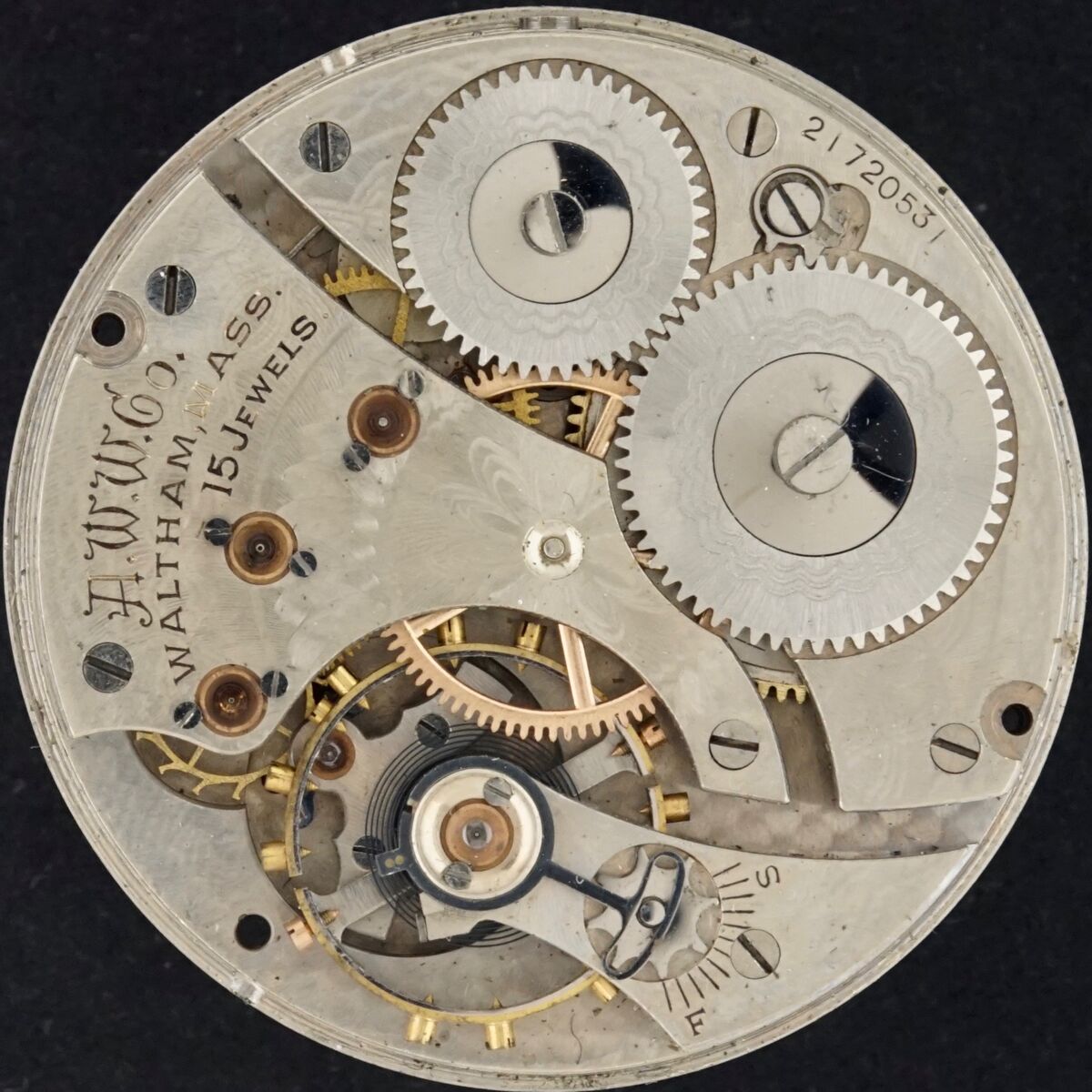
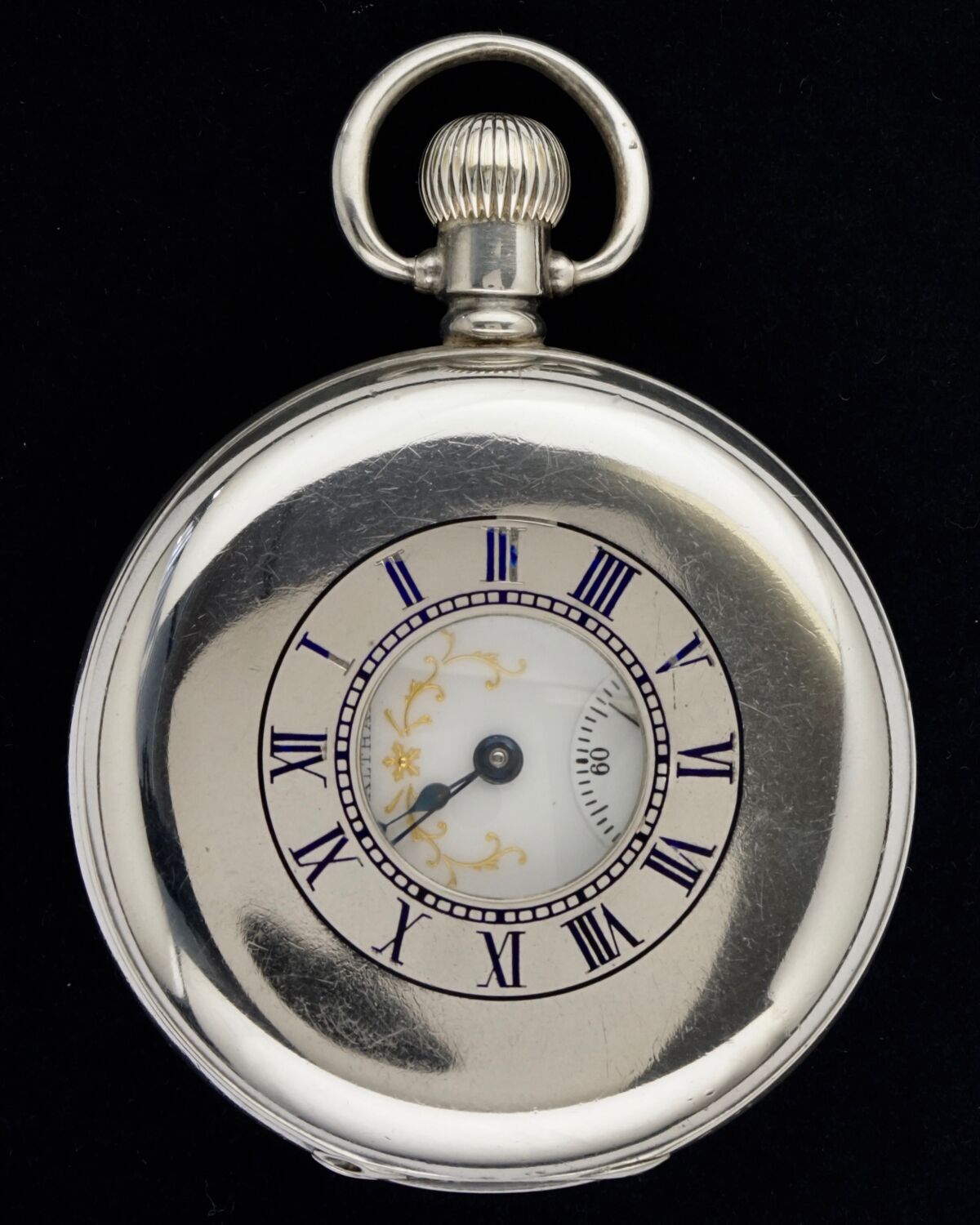
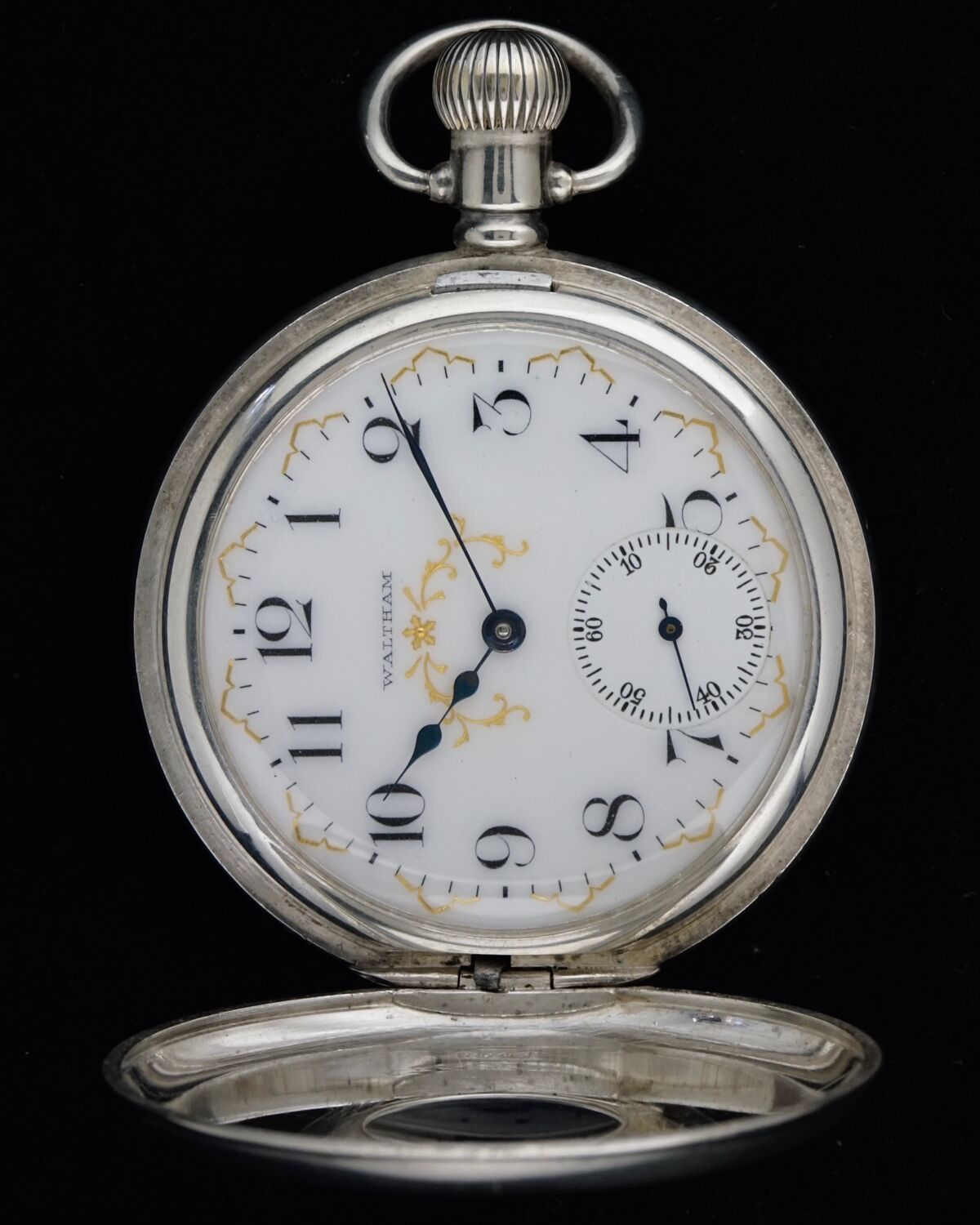
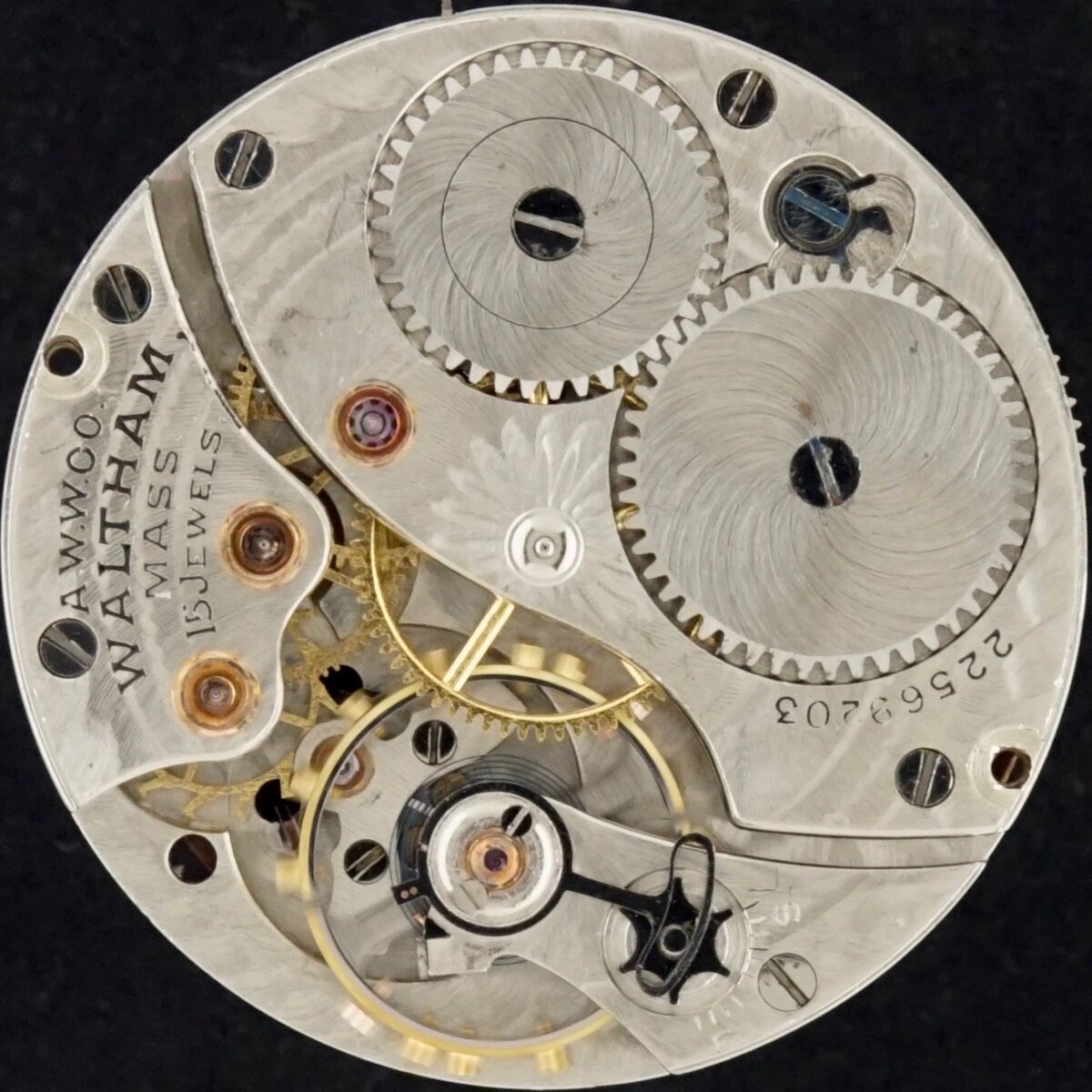
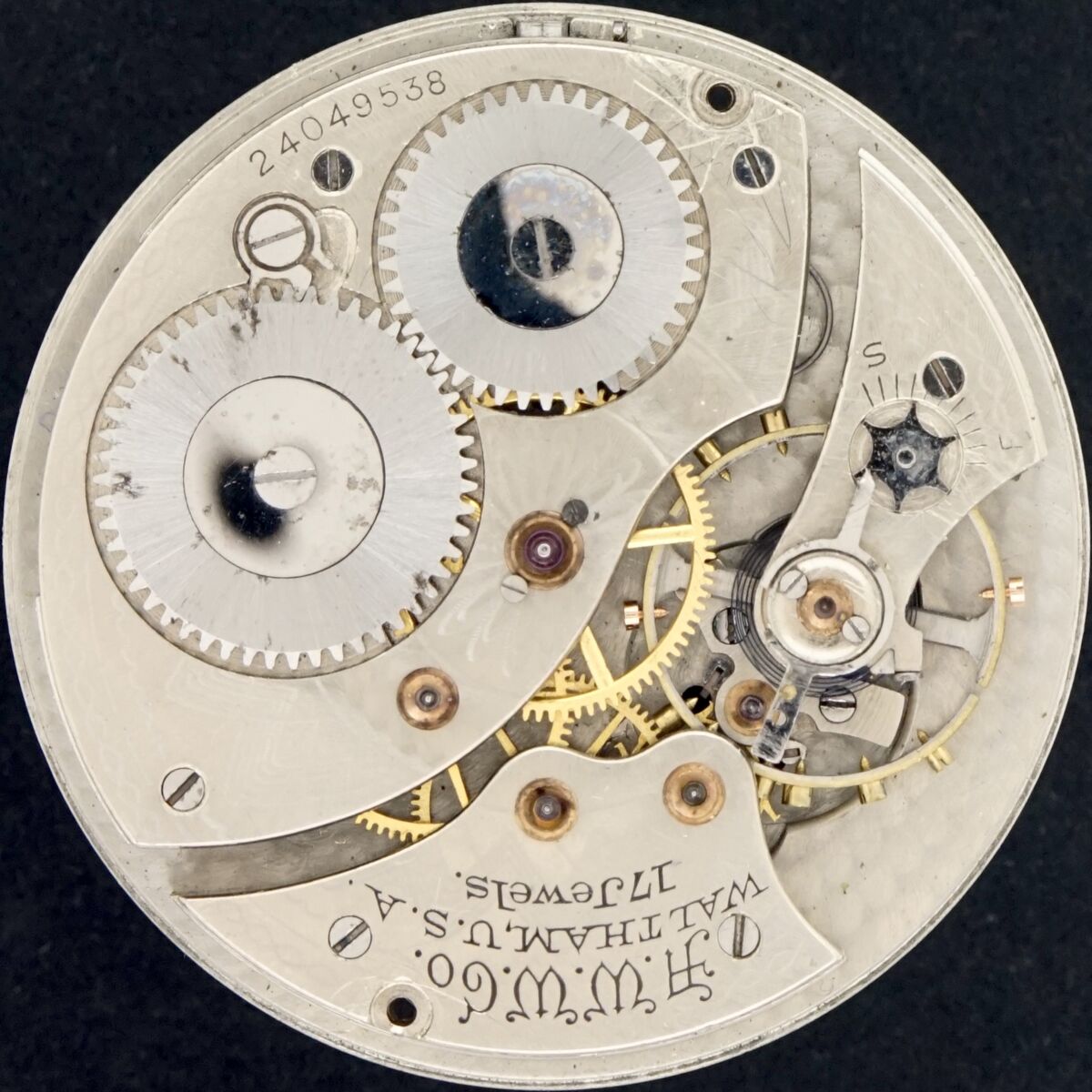
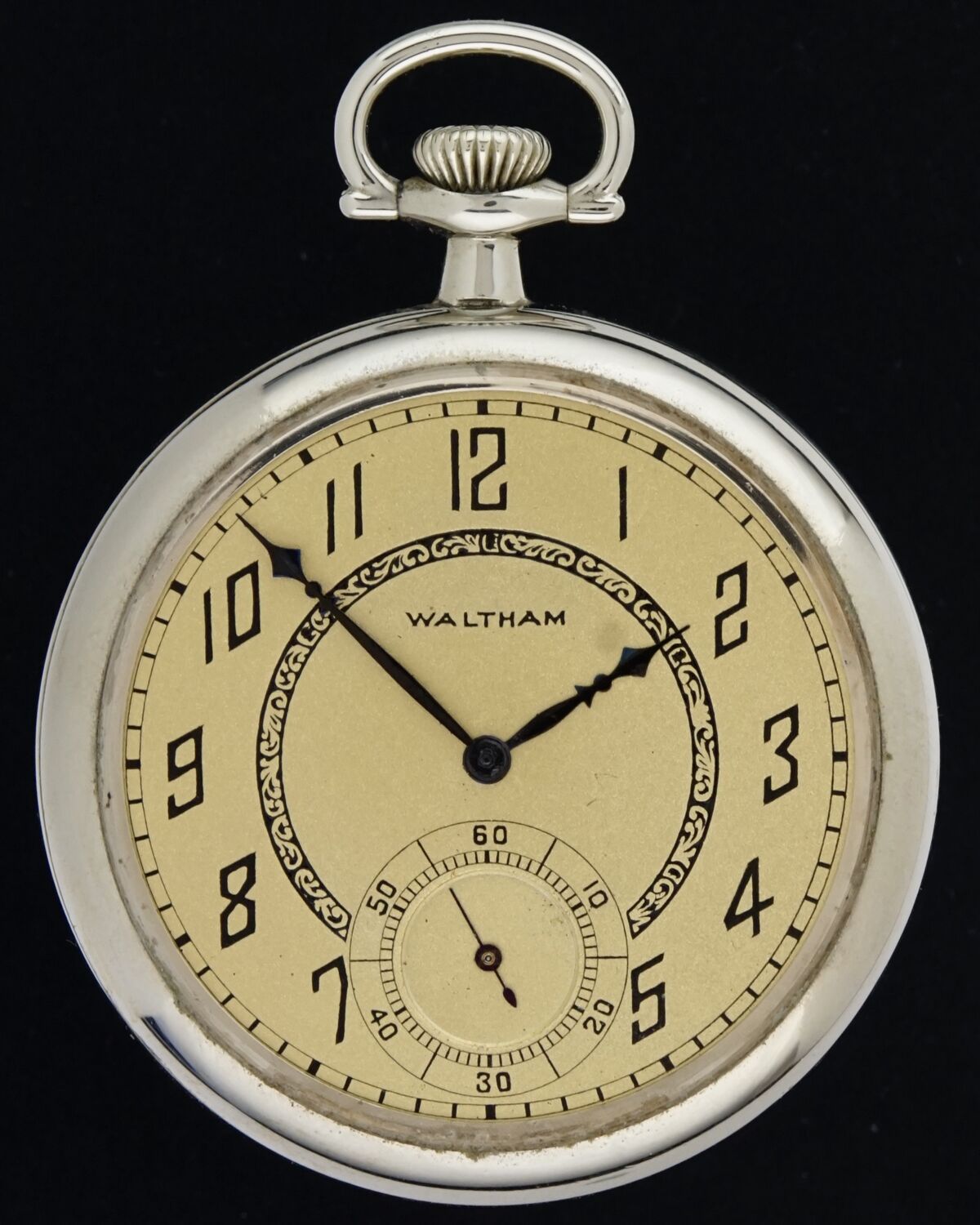
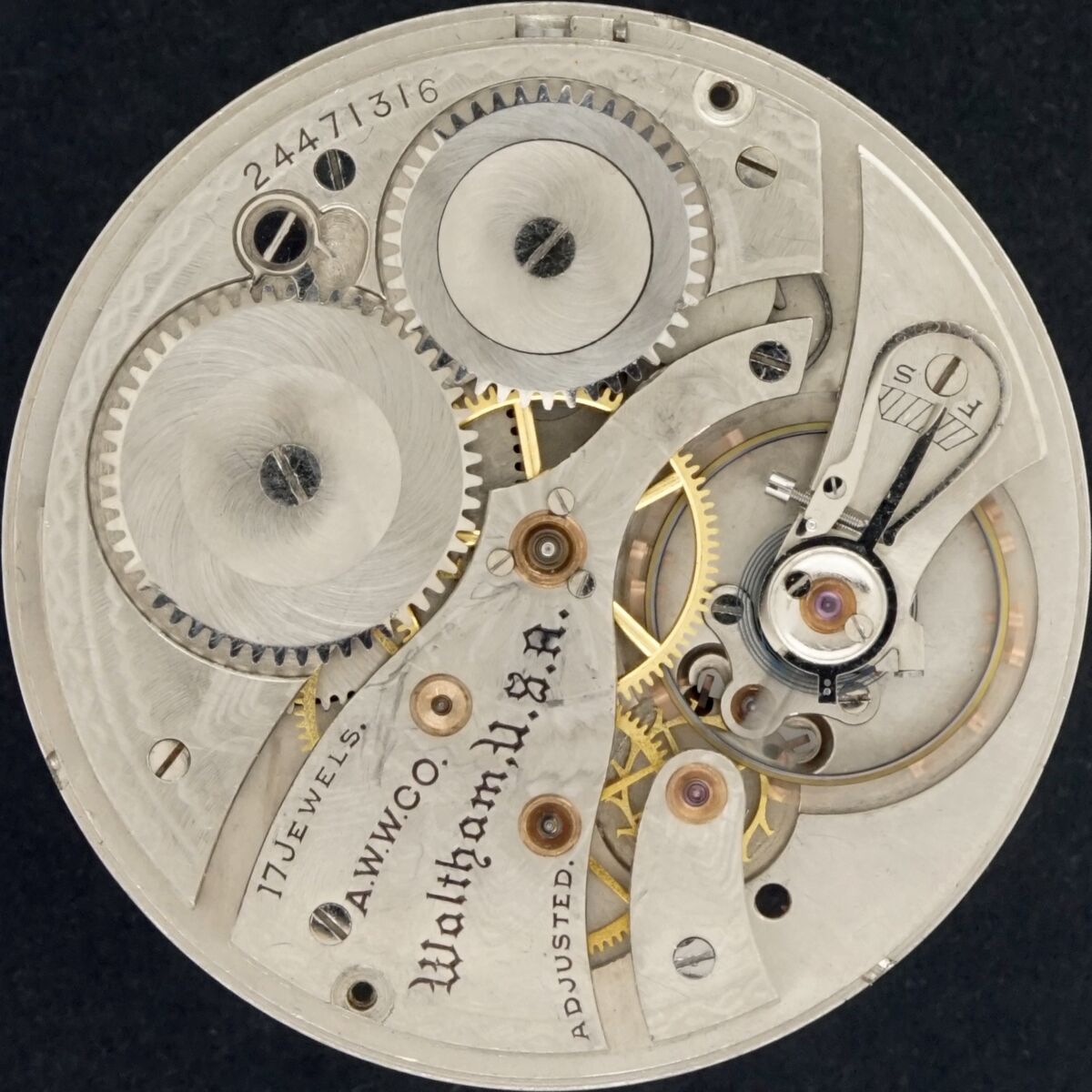
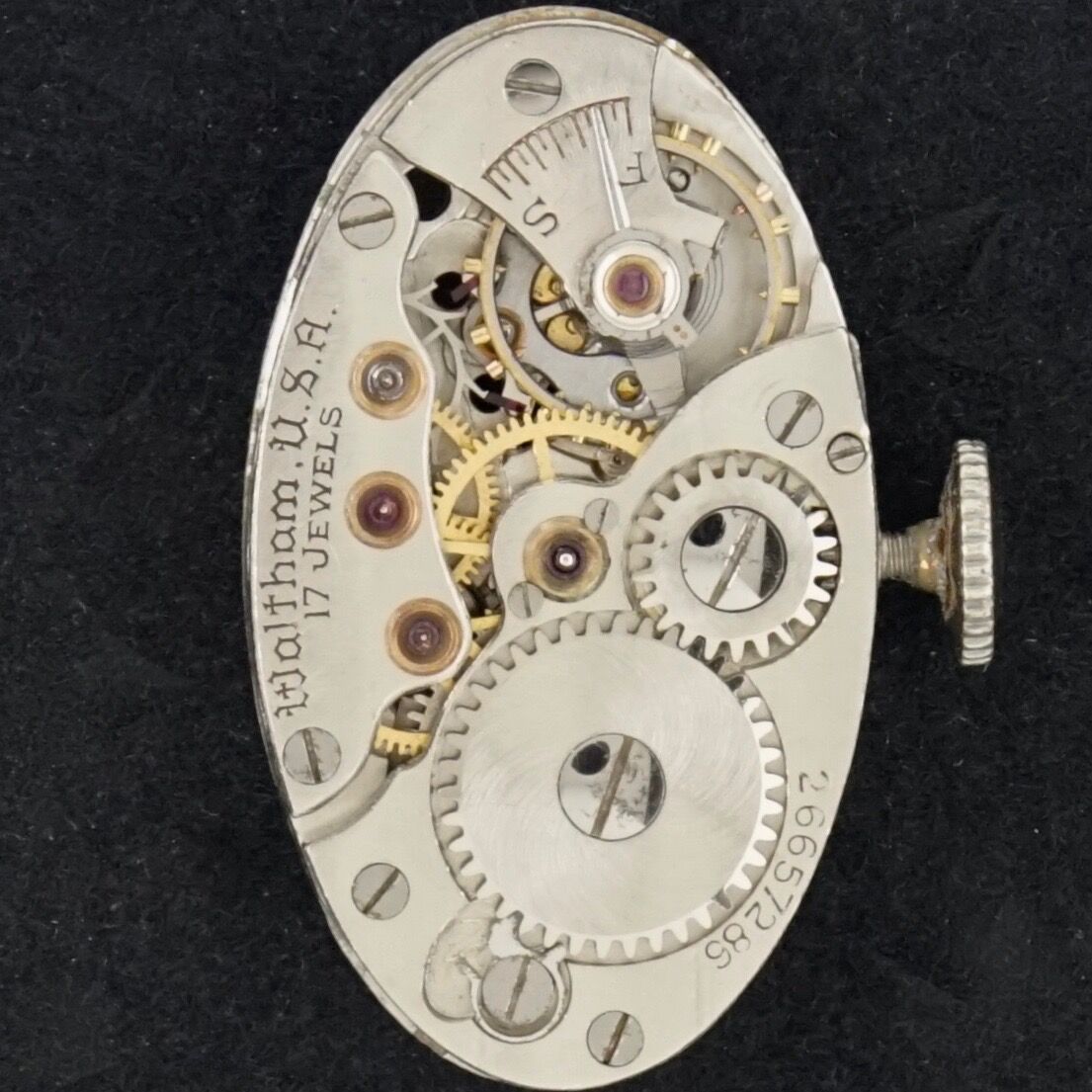
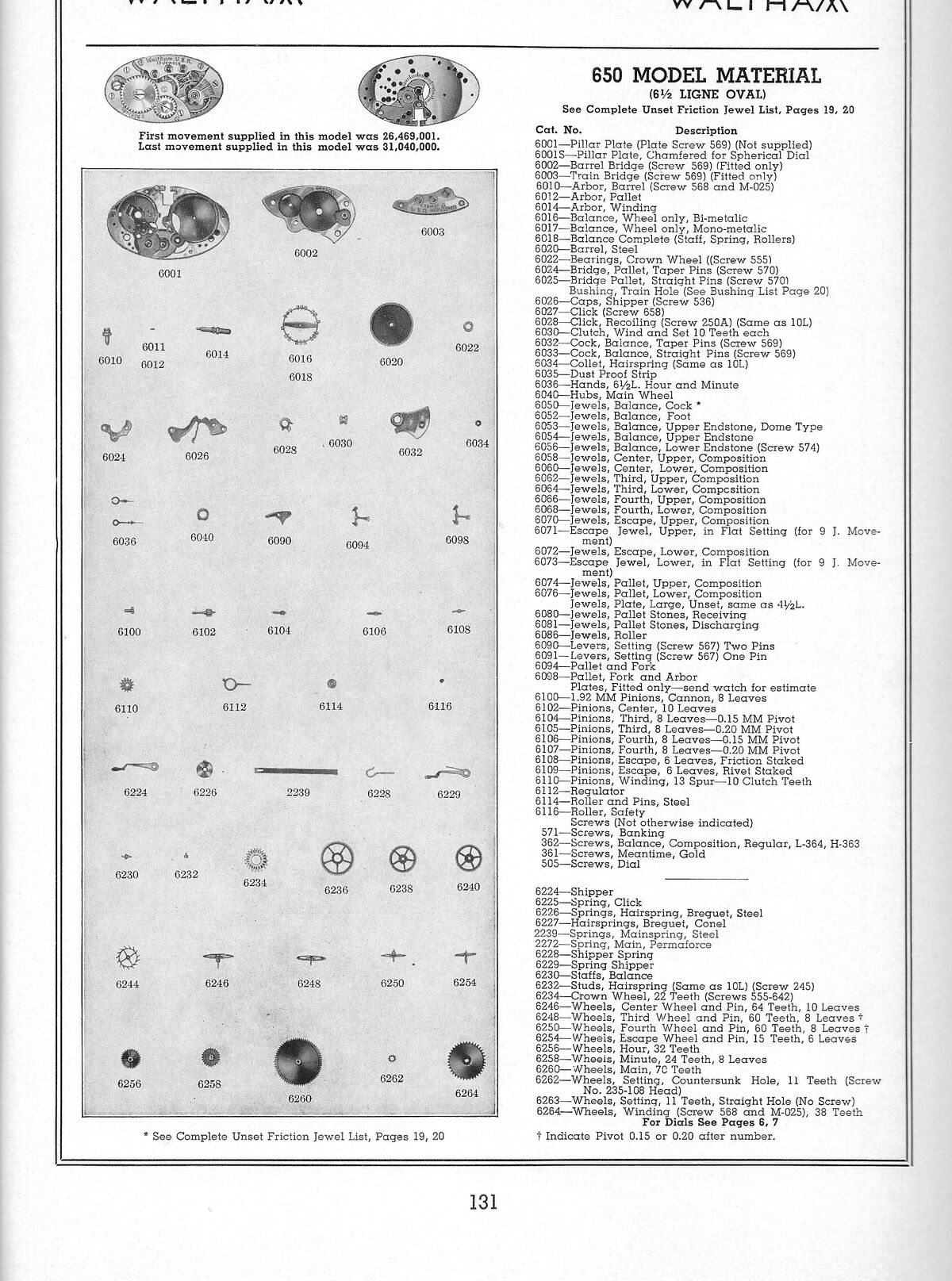
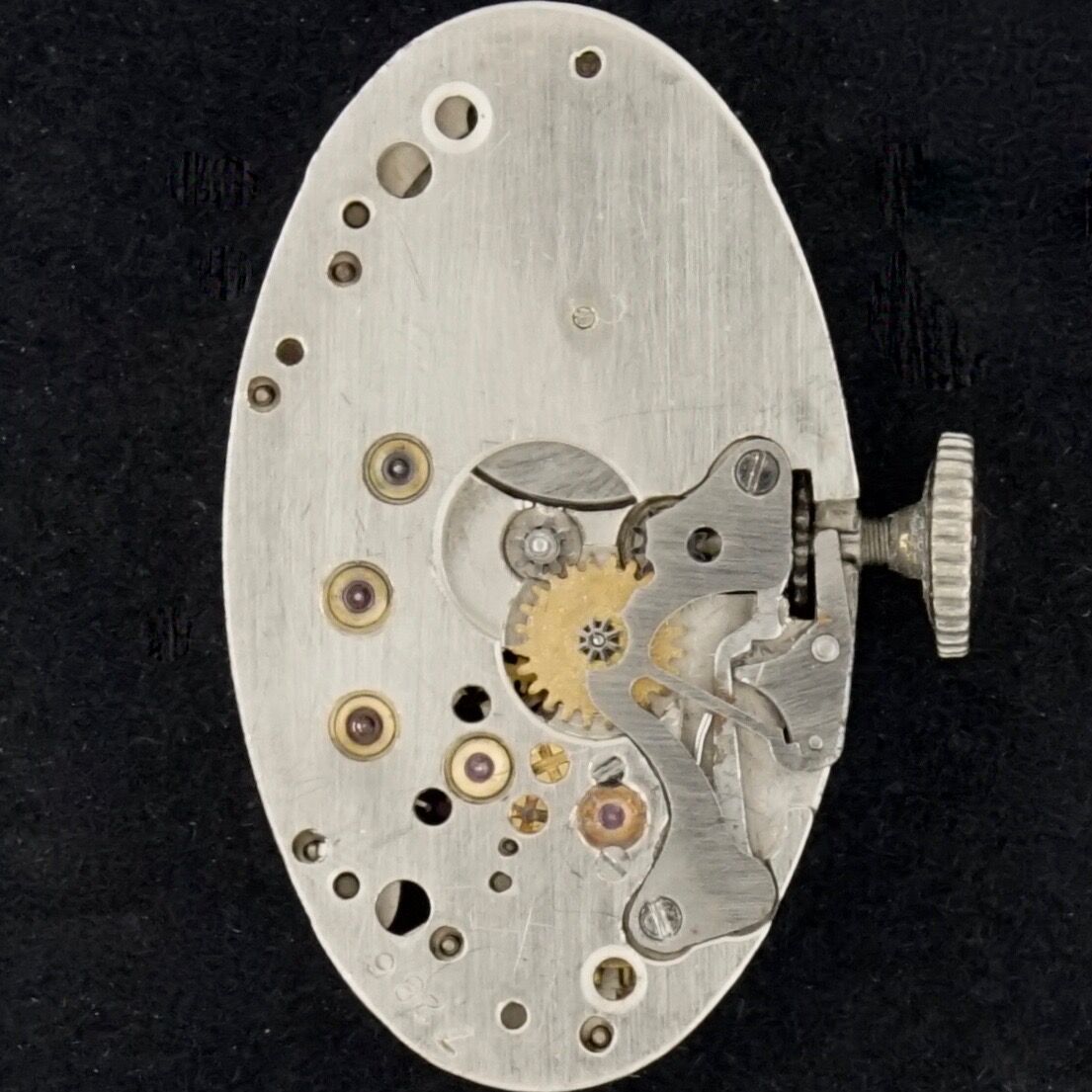
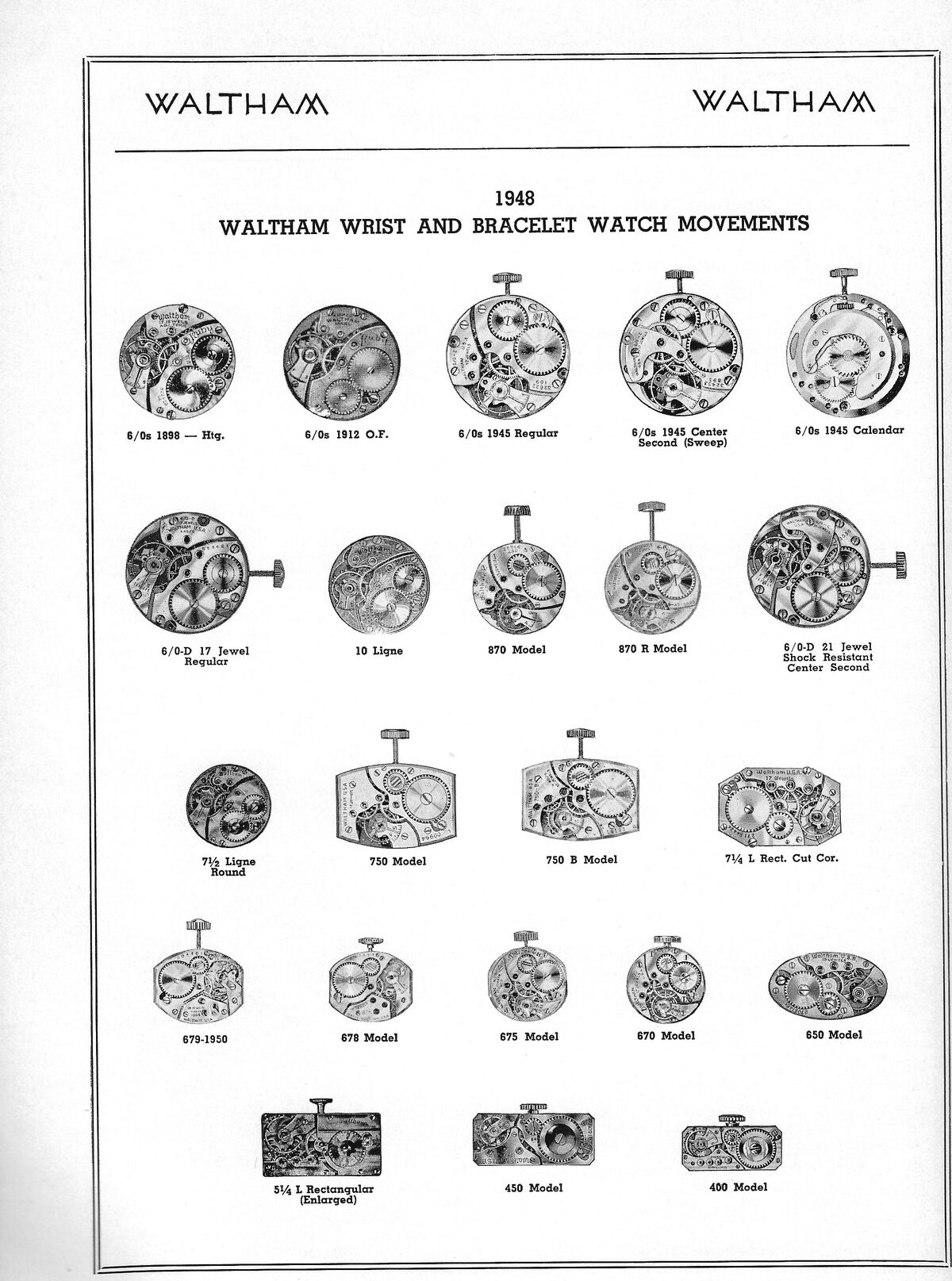
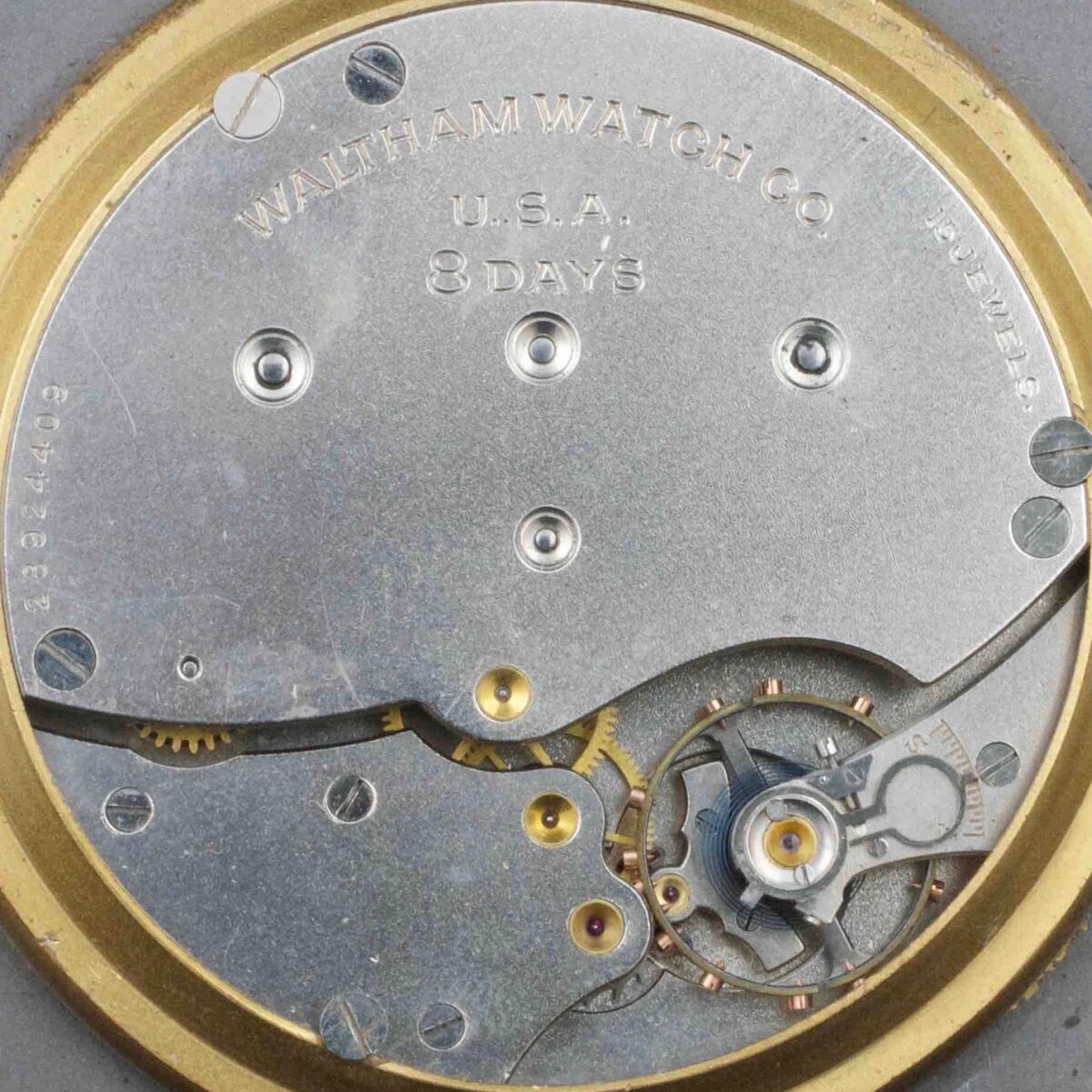
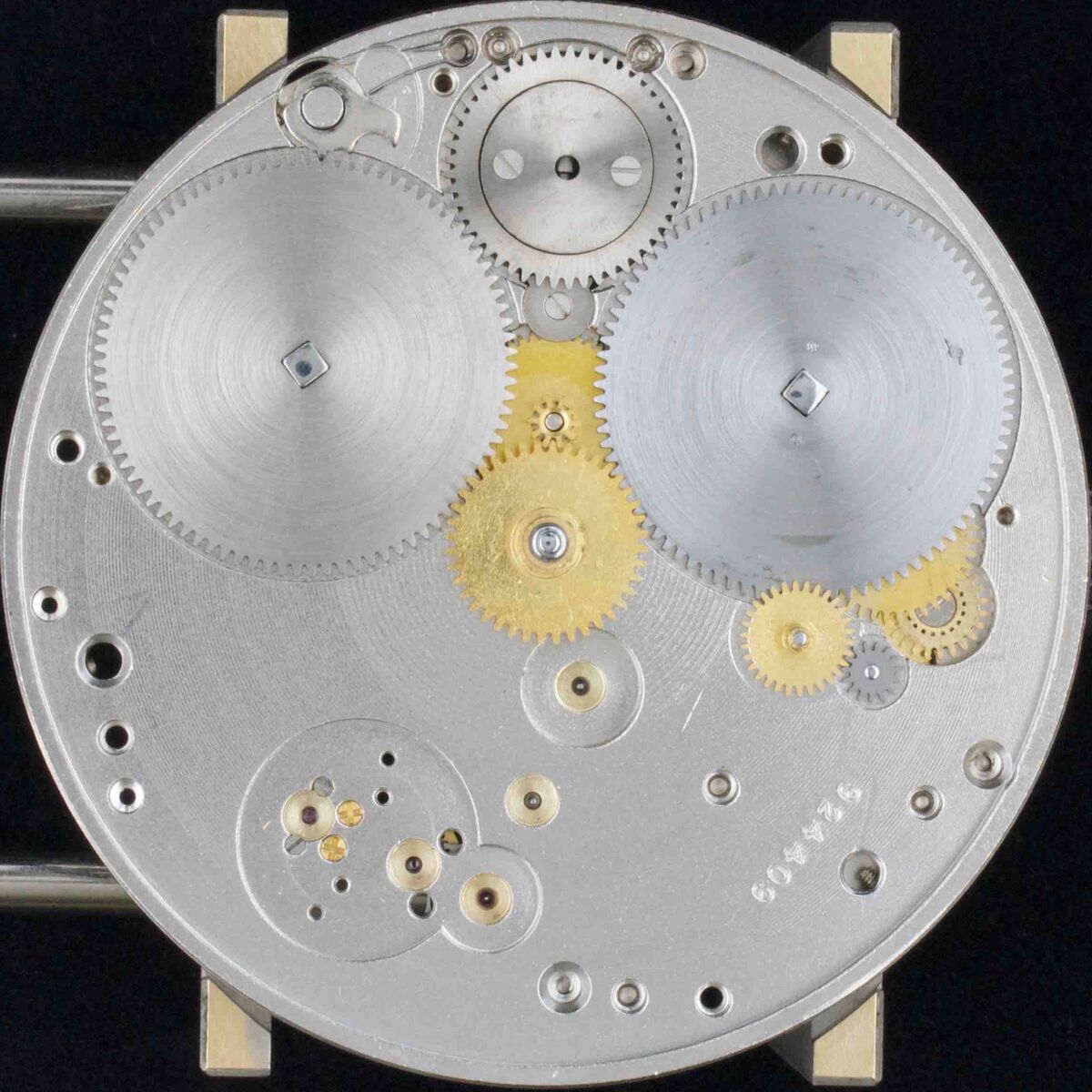
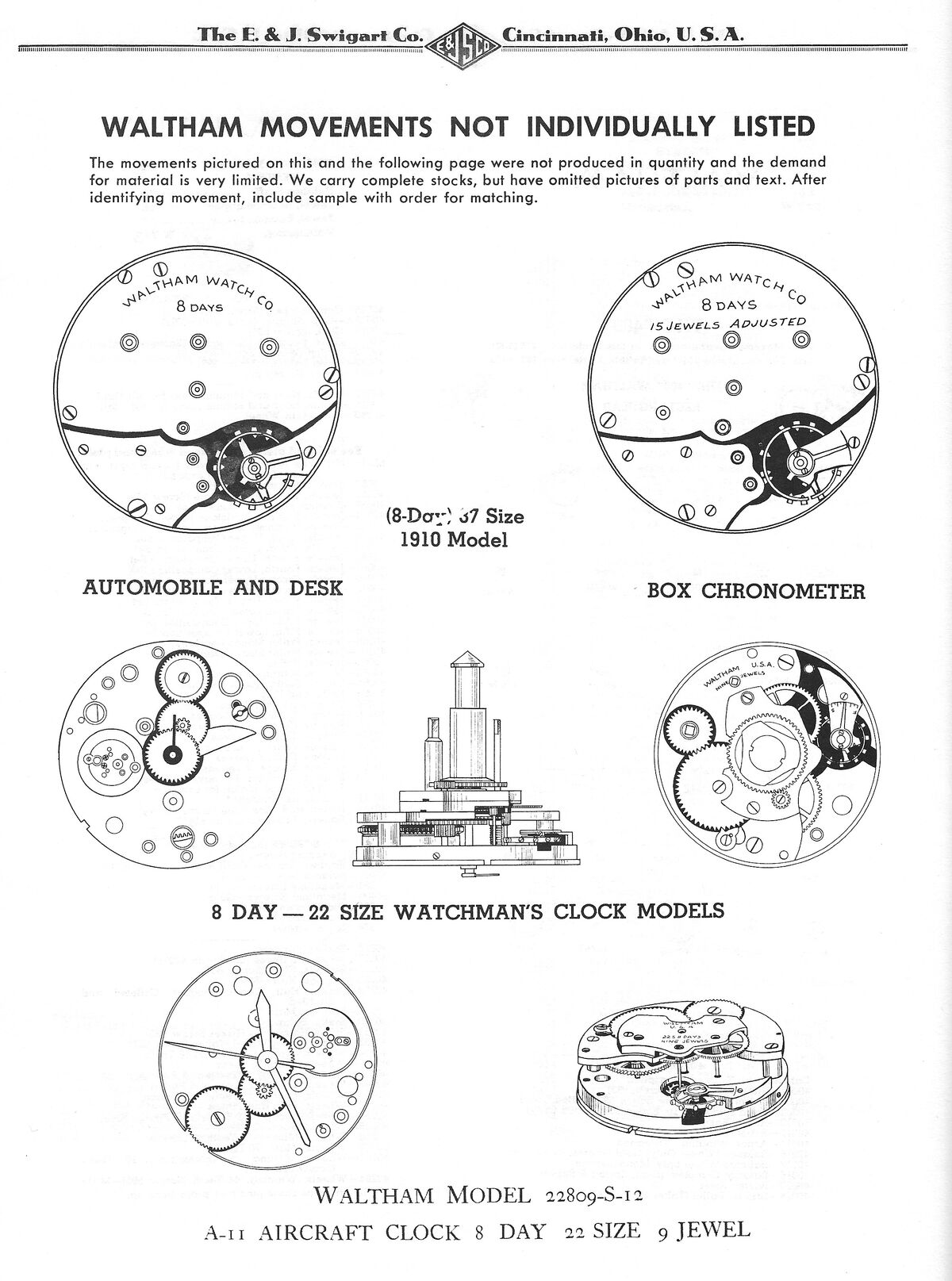
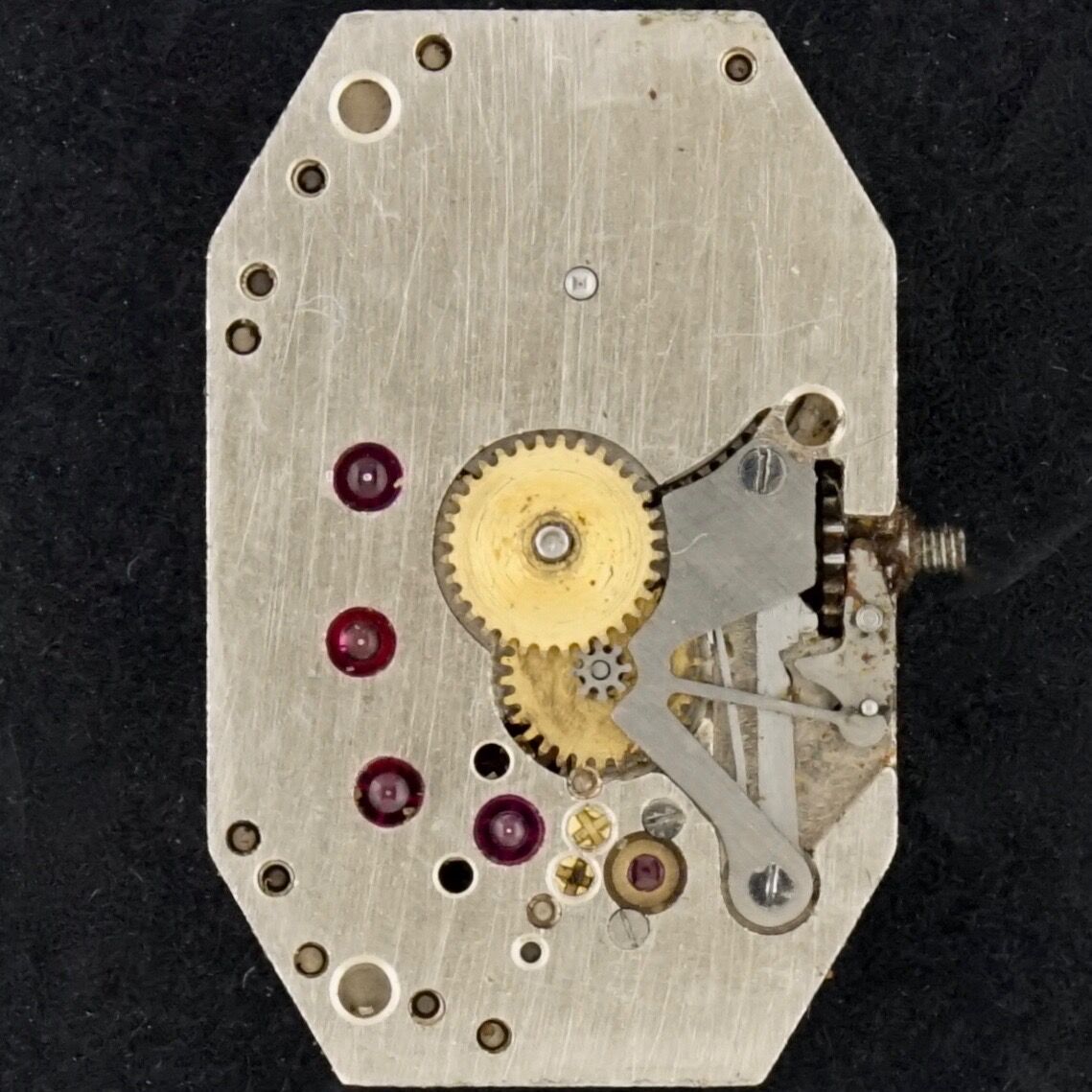
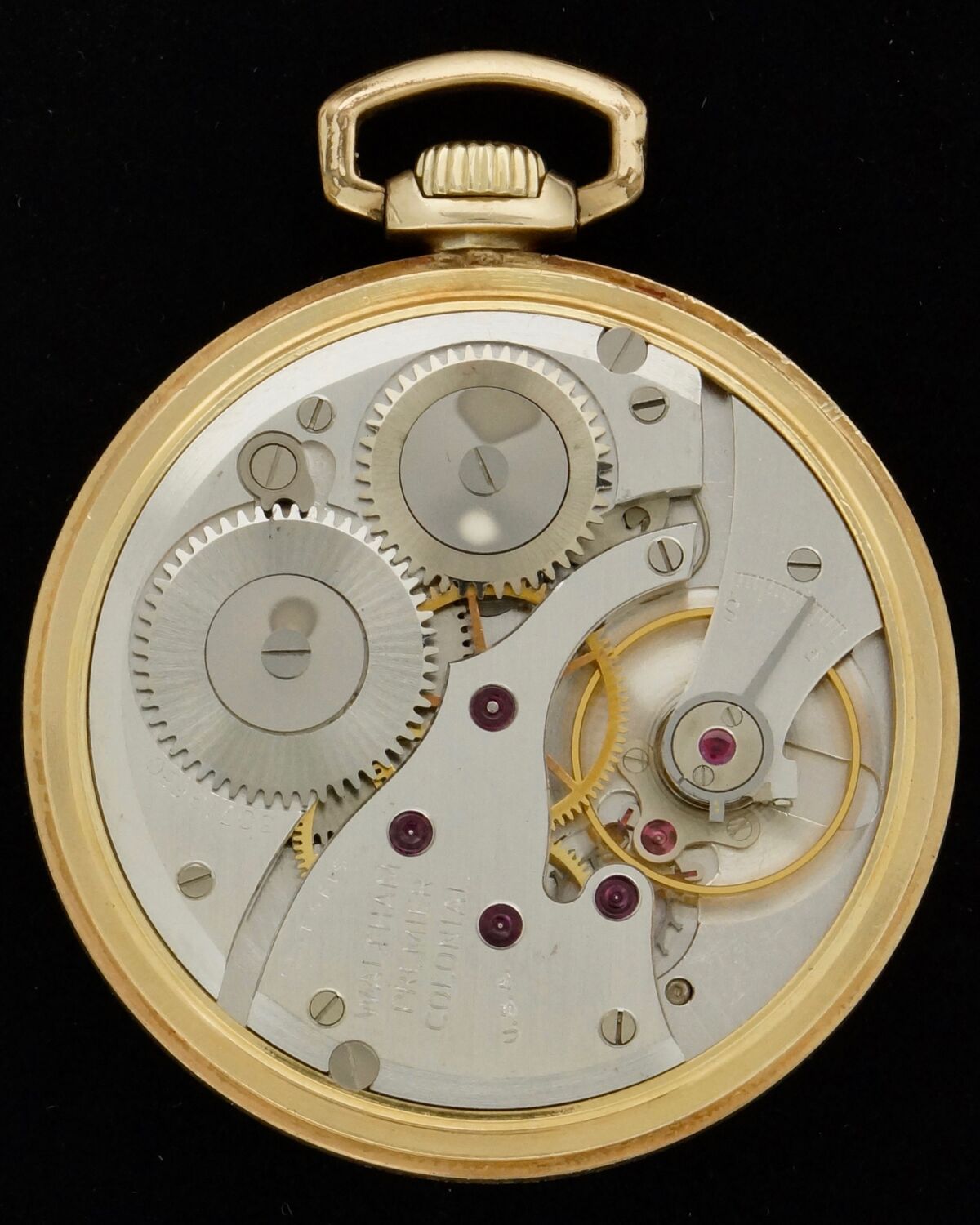
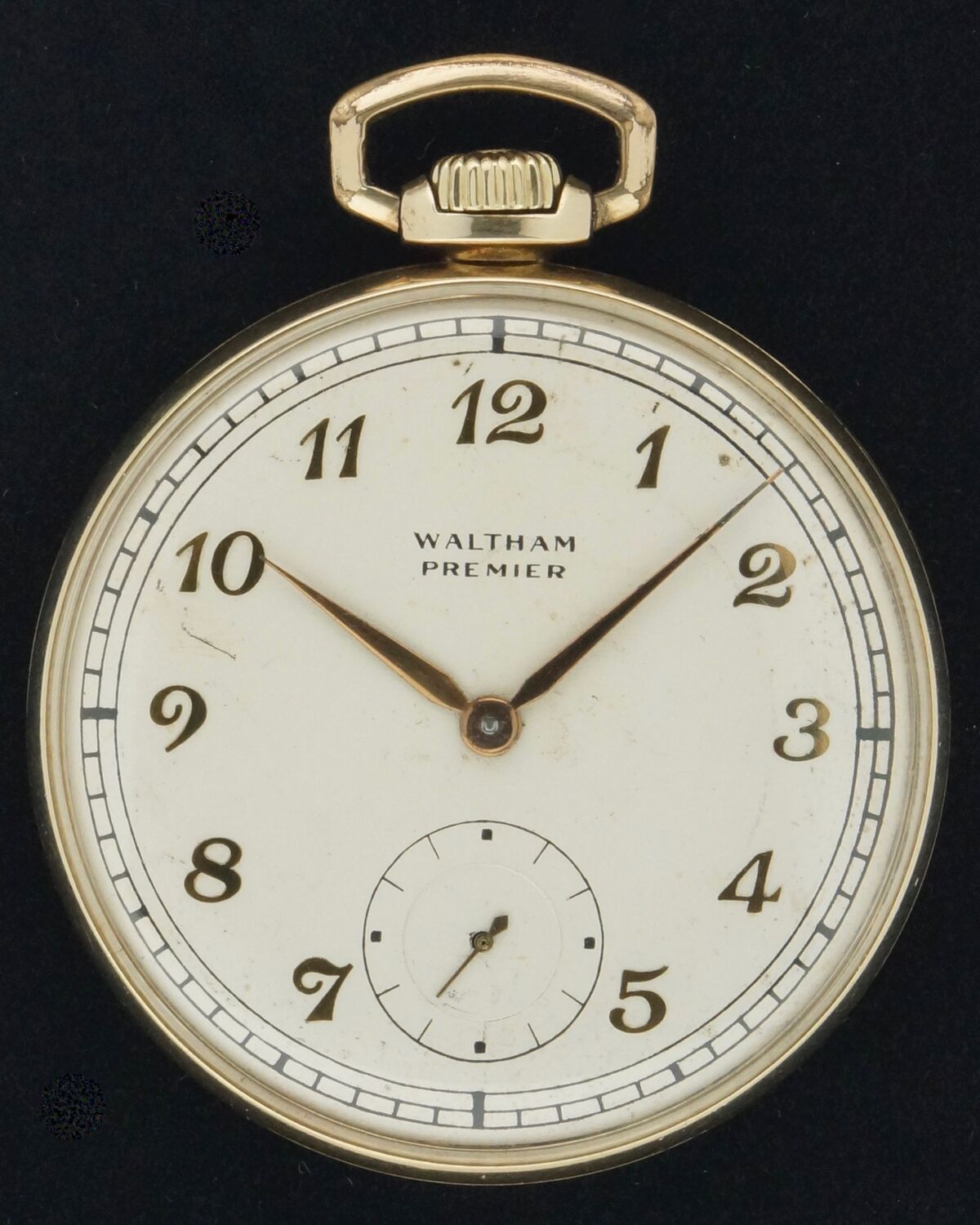
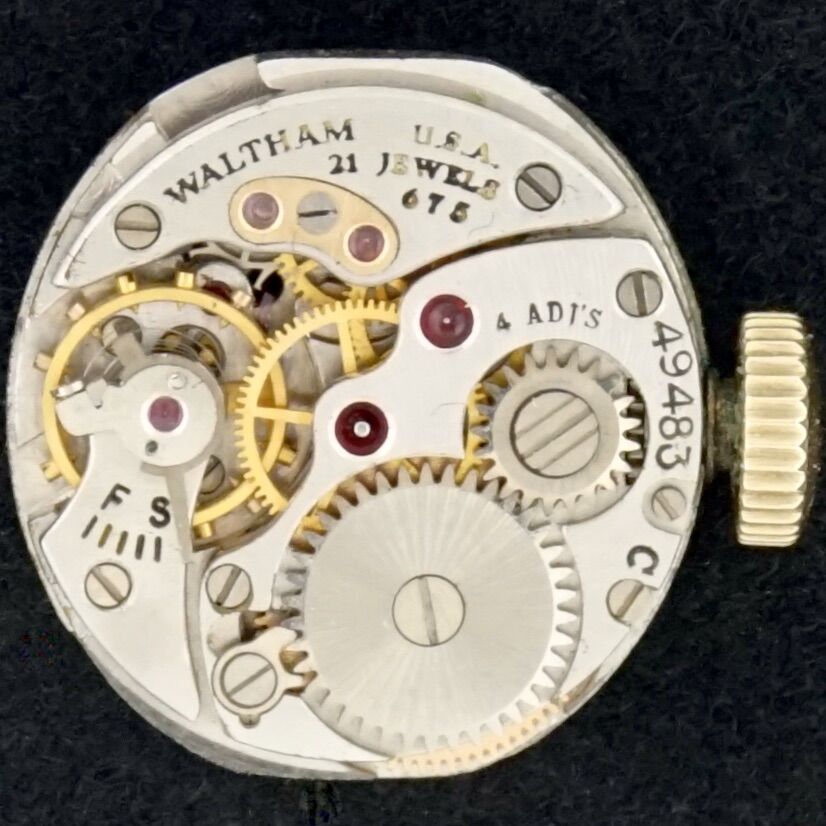
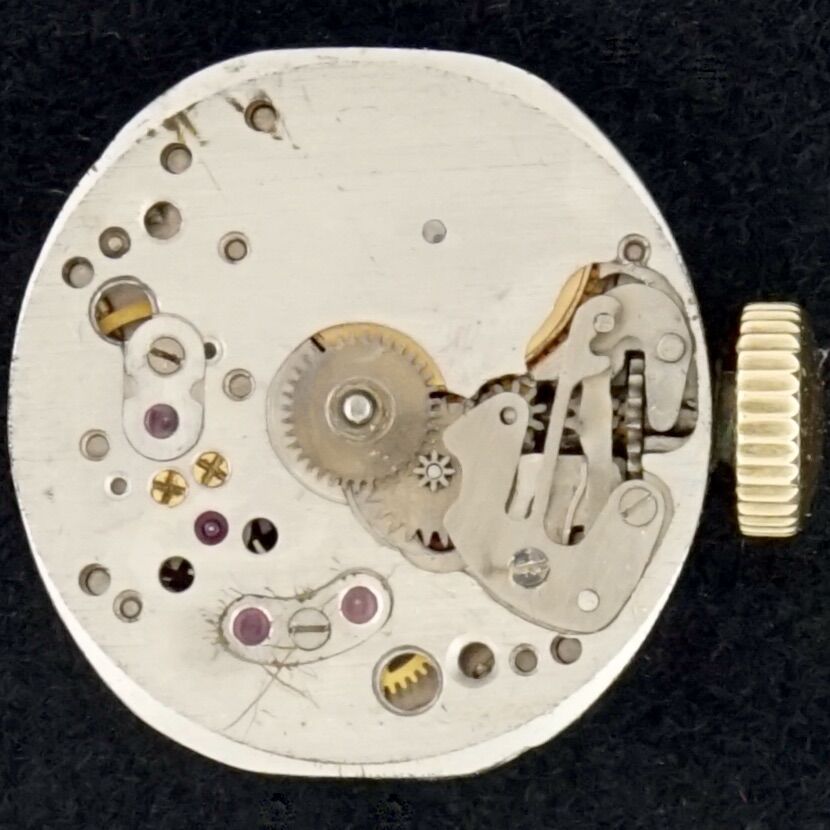
Waltham obviously evolved its models, which were not exclusively intended to equip companies with railroads. The manufacture created calibres of all sizes for ladies' watches and large diameters up to 22 lines for edge and pocket parts. The finishing was according to the customers' wishes, but it was the high-end parts that made the reputation of the Waltham manufacture. This was all the more remarkable as the American manufacturers were competing fiercely with each other in the stonework and inlay of their gauges. Most watch advertisements up to the 1930s included images of movements alongside classic representations of watches. This not always useful overbidding totally conditioned American watchmaking and caused Swiss manufacturers to enter the game to secure a place in North American markets. The ultimate reward of this work for the Swiss was to become official suppliers to the railway companies.
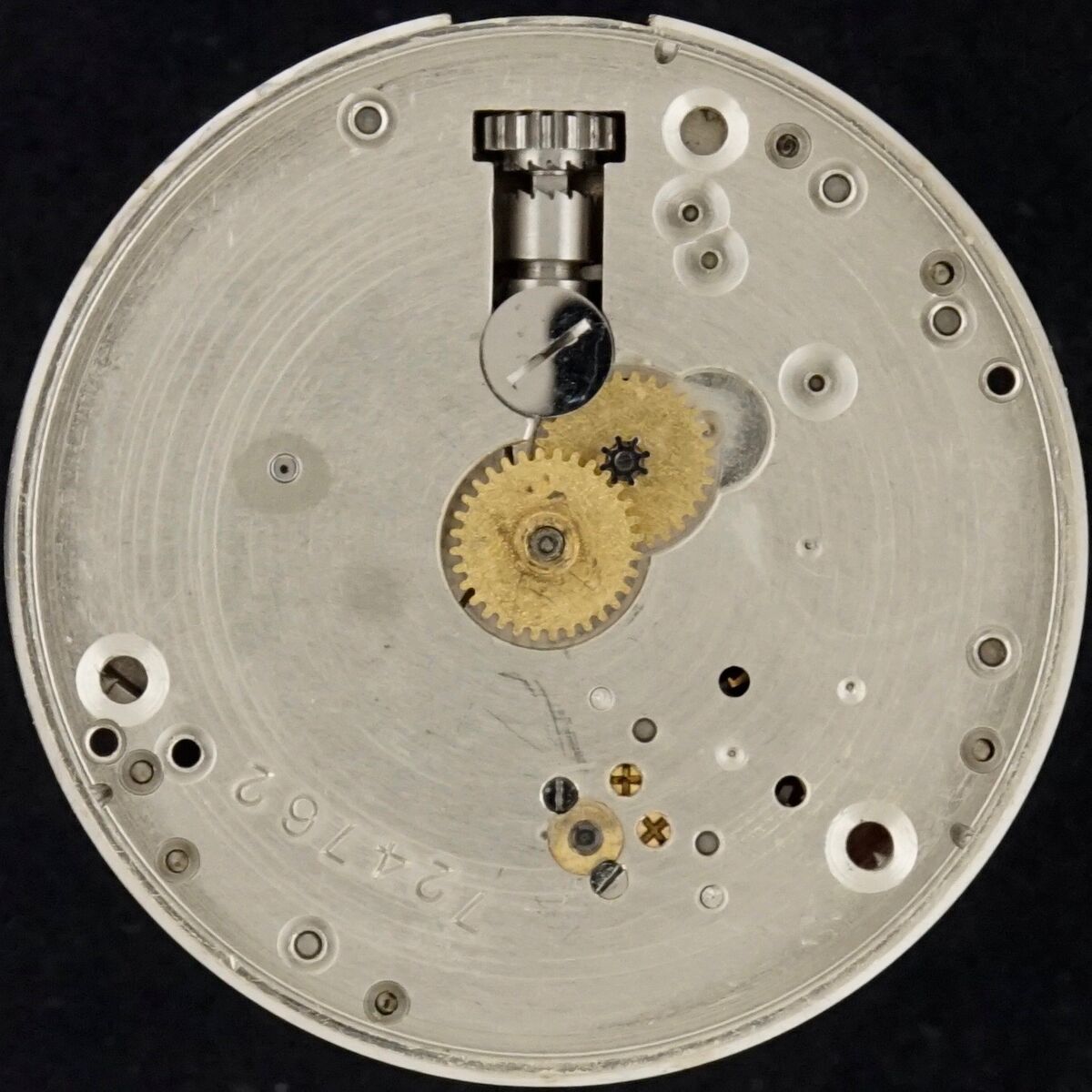
Waltham, one of the first manufacturers, began to stone the barrels and was very inventive in the study of ways to reduce friction, researching new architecture for its calibres to optimise positioning, the size of the pendulums and the reduction in the number of parts making up the movements. The progress over time was spectacular when one measures the investments made to gain sometimes less than a second per day in the direction of the best precision. Research into isochronism made it possible to adjust watches with significant results in all five positions. The watches were mass-produced, high level chronometers that had nothing to envy to the most elaborate Swiss timepieces.
It was at the beginning of the 20th century that Waltham proposed a model of movement known as the Vanguard movement, which, with each further development, would become the most accomplished of its calibres. In its 23-jewel (and sometimes 21) version, this movement was sometimes fitted with a power-reserve display which, given Waltham's diffusion, generated the most widespread pocket watch equipped with this device. The interest is not neutral and makes it possible to know where the barrel is in its winding. Waltham's 19-line Vanguard caliber is a sought-after piece in the field of high quality manufactured movements in the early 10's of the 20th century. Decoration, bevelling, chatonings, generous stonework, including the barrel, everything is done to ensure that precision is favoured with an omnipresent aesthetic research.


























A La Clinique Horlogère
Rue du Creugenat 29
2900 Porrentruy
Tél +41 32 466 14 86
info@cliniquehorlogere.ch
