chronomatic - calibre 11
chronomatic - calibre 11
Context and the “Project 99” alliance
- 1966 — Hamilton acquires Büren and joins forces with Heuer, Breitling and Dubois-Dépraz (internal code Project 99).
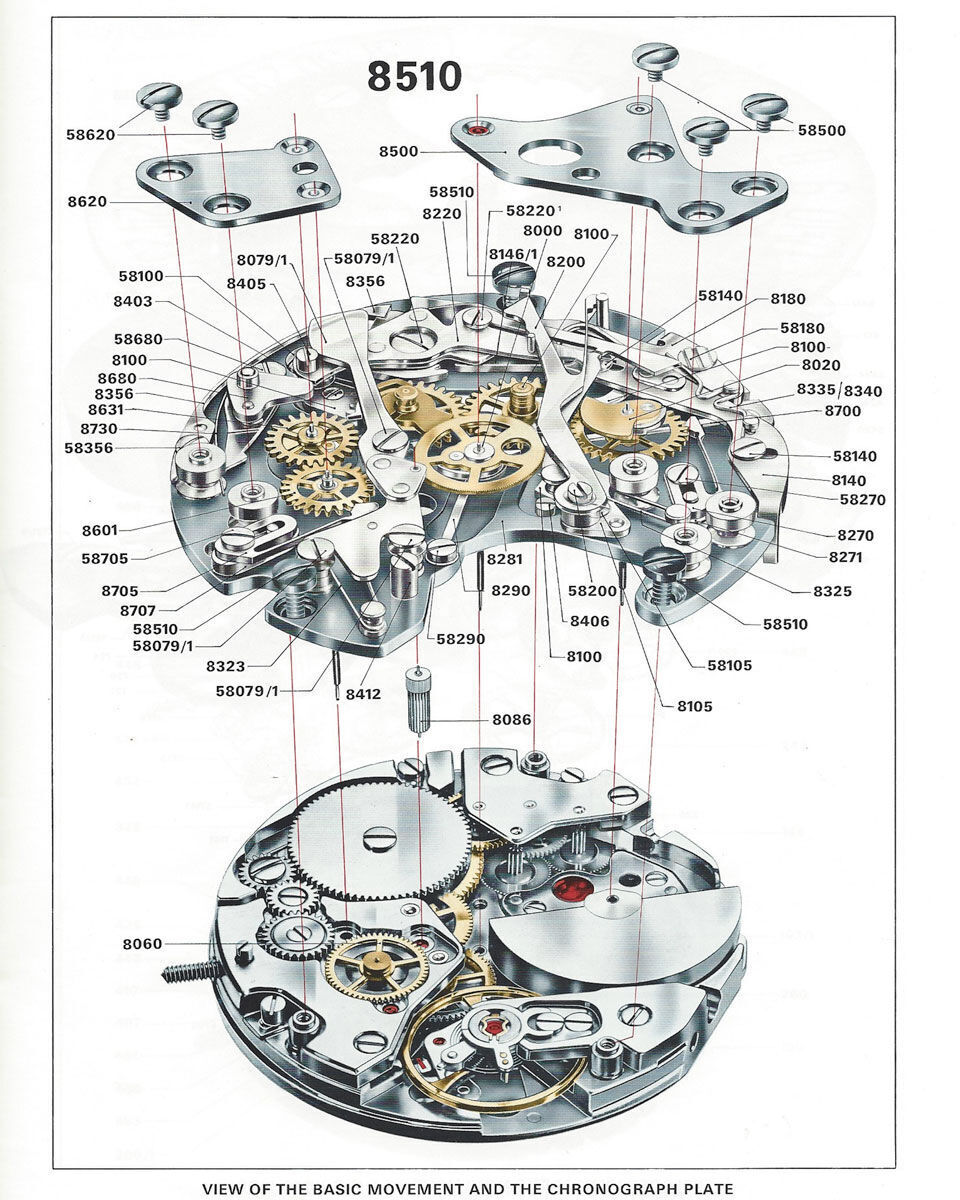
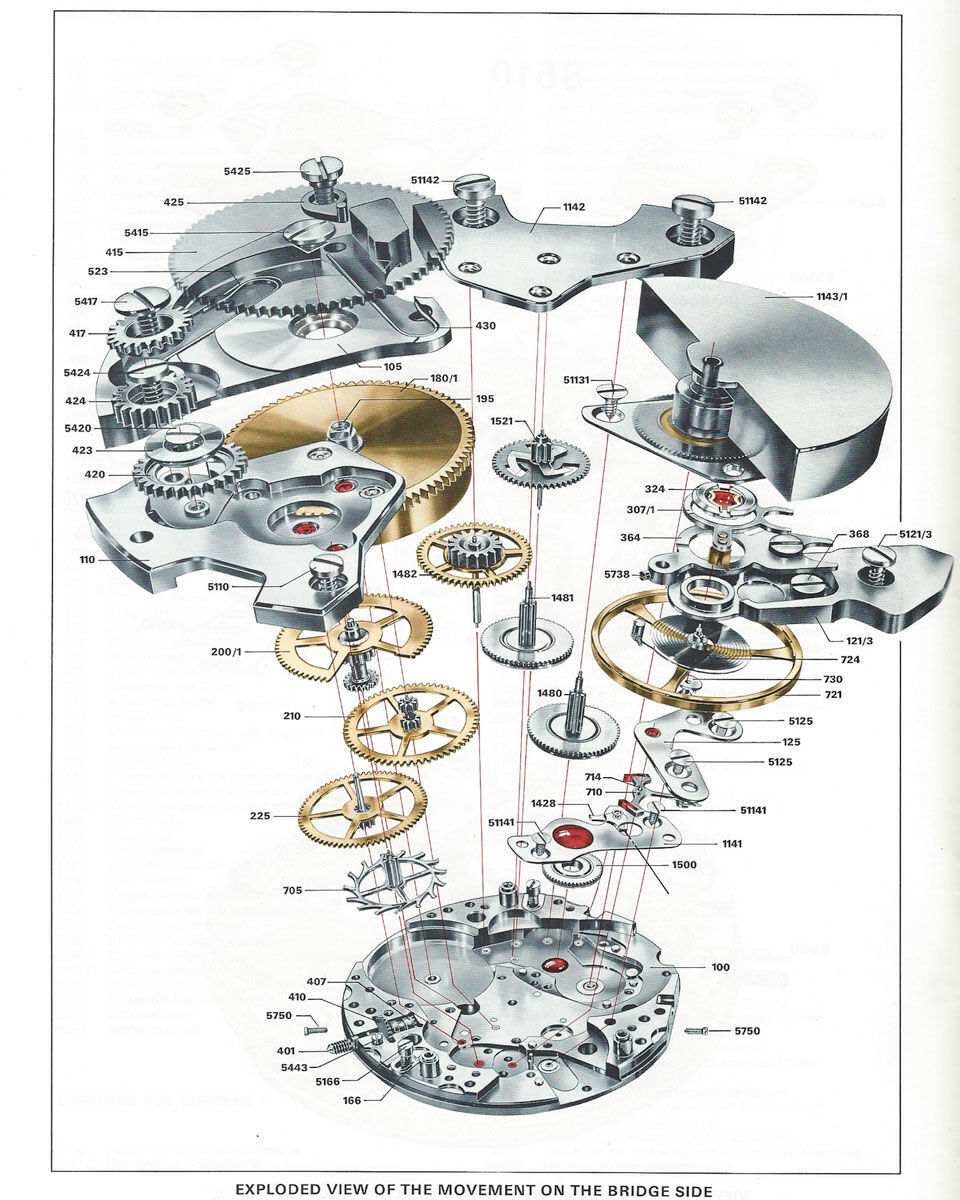
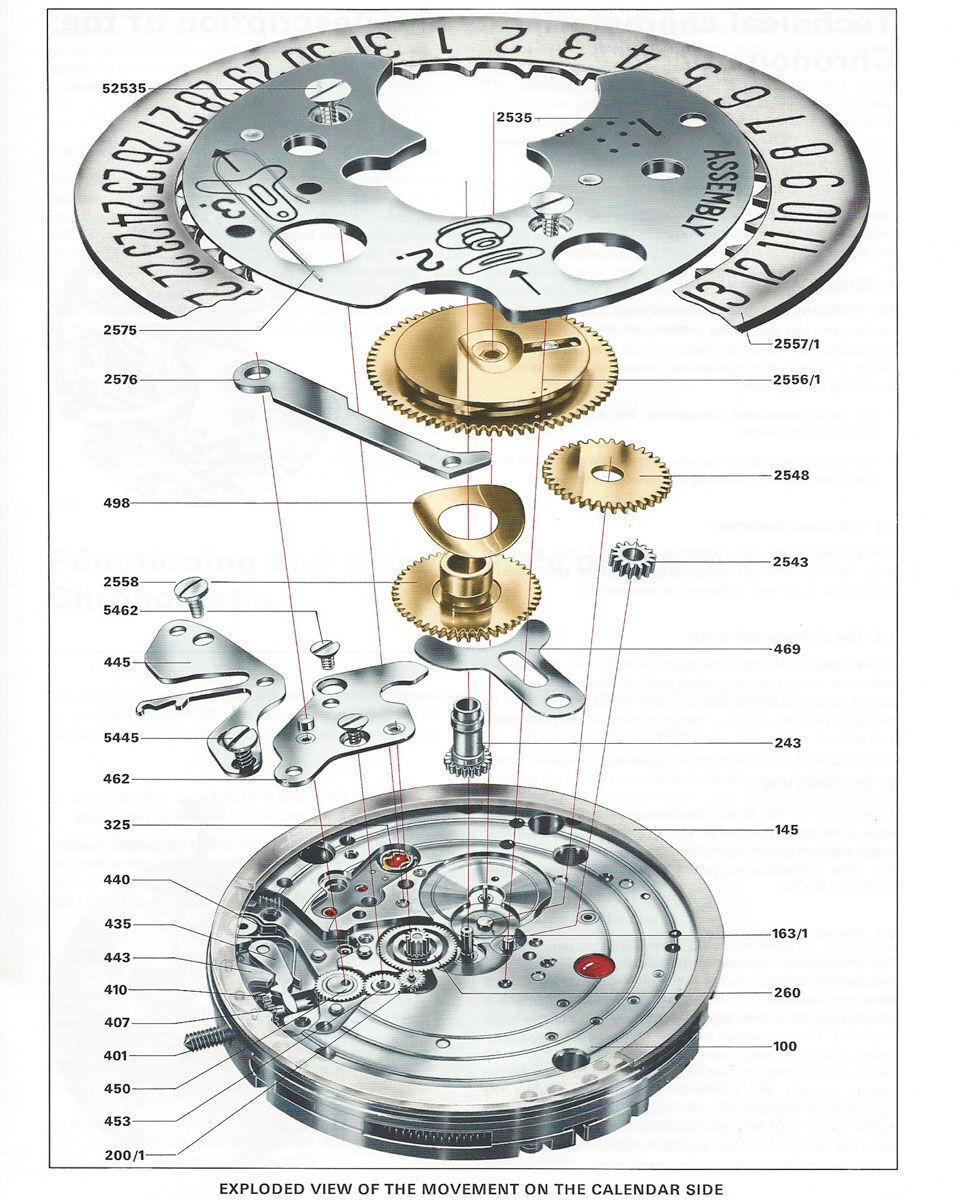
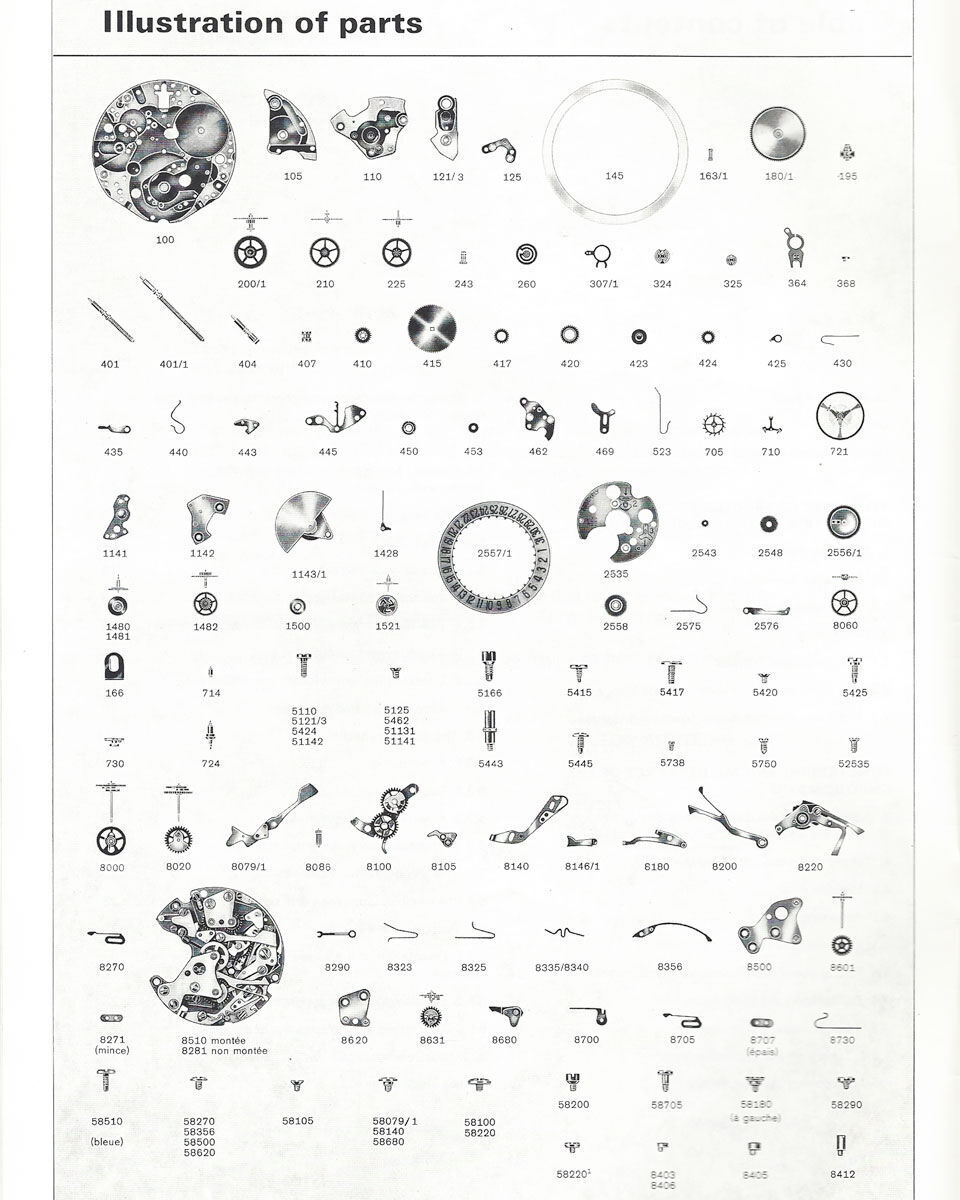
- Roles — Büren supplies a micro-rotor automatic base derived from the Intramatic (1280/1281 family, approx. 3.2–3.25 mm); Dubois-Dépraz develops the 8510 chronograph module and oscillating-pinion coupling; Heuer and Breitling handle components, dials and cases.
- Sept. 1967 — Patent filed for Calibre 11.
Technical architecture (key points)
- Modular construction: DD-8510 module mounted on the Büren base; the base is rotated 180°, yielding the signature left-hand crown.
- Frequencies — Cal. 11 at 19,800 vph; Cal. 12 (1971) raised to 21,600 vph with various reinforcements.
1968–1969: from trials to public launch
- 1968 — Successful tests; Breitling produces pre-series Chronomatic pieces.
- 3 March 1969 — Global, synchronized press events (Geneva / New York; announcements in Tokyo, Hong Kong, Beirut).
- April 1969 — Basel Fair — Around 100 pre-production watches displayed.
- Summer 1969 — Retail availability across key markets.
Who was “first”?
- Zenith — announces El Primero on 10 January 1969 (integrated, 36,000 vph).
- Chronomatic group — the most visible global announcement on 3 March 1969 (modular, micro-rotor).
- Seiko 6139 — goes on sale in Japan on 21 May 1969.
In short: earliest announcement: Zenith; most visible worldwide launch: Chronomatic; earliest national sales: Seiko; Chronomatic international sales: summer 1969.
Models and legacy
- Calibre 11 powers Heuer Autavia/Carrera/Monaco, Breitling Chrono-Matic, Hamilton Fontainebleau, etc.
- Calibre 12 (1971) at 21,600 vph.
- Adopted by Kelek (bridge marked JRGK), Bulova, Elgin, Zodiac, Stowa, and others.
- Later, Heuer also employed Valjoux 7750 and Lemania 5100.
Sources