| Manufacture | Longines | |
| Société | Ernest Francillon | |
| Lieu | Saint Imier | |
| Calibre | 13ZN | |
| Diamètre | 29.33 mm | |
| Hauteur | 6.30 mm | |
| Epoque | 1936 | |
| Angle de levée | 54° | |
| Fréquence | 18'000 |
| Manufacture | Longines | |
| Société | Ernest Francillon | |
| Lieu | Saint Imier | |
| Calibre | 13ZN | |
| Diamètre | 29.33 mm | |
| Hauteur | 6.30 mm | |
| Epoque | 1936 | |
| Angle de levée | 54° | |
| Fréquence | 18'000 |
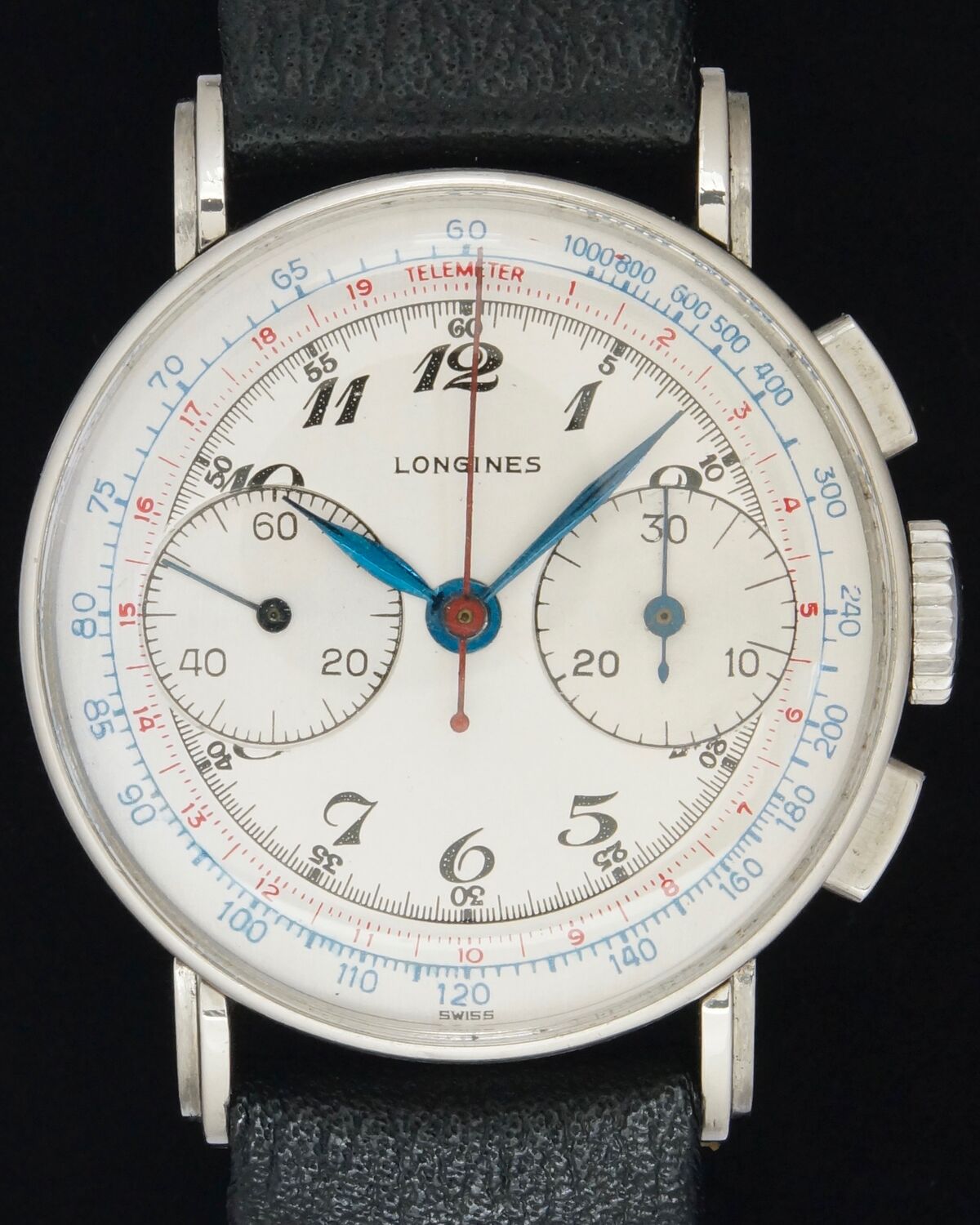
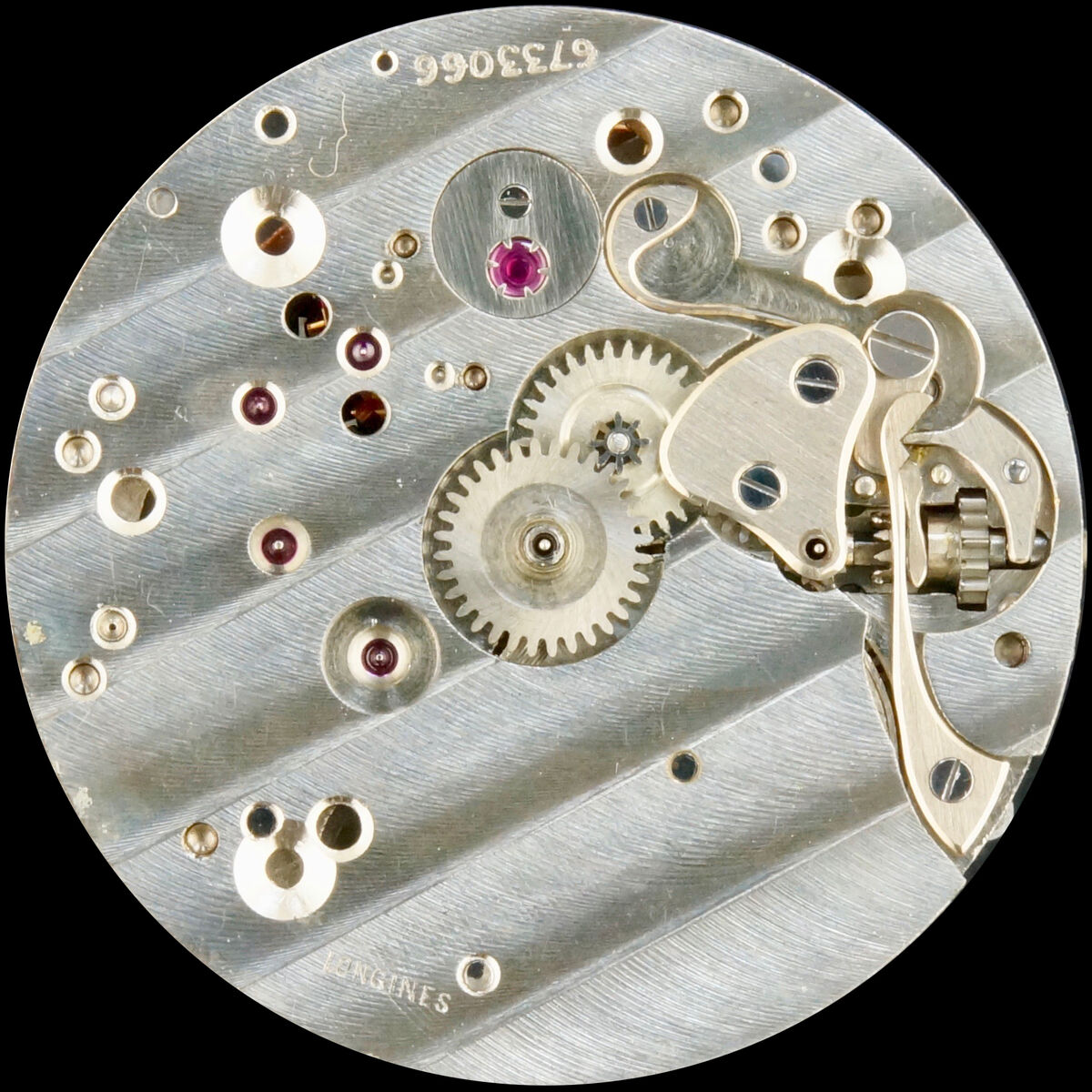
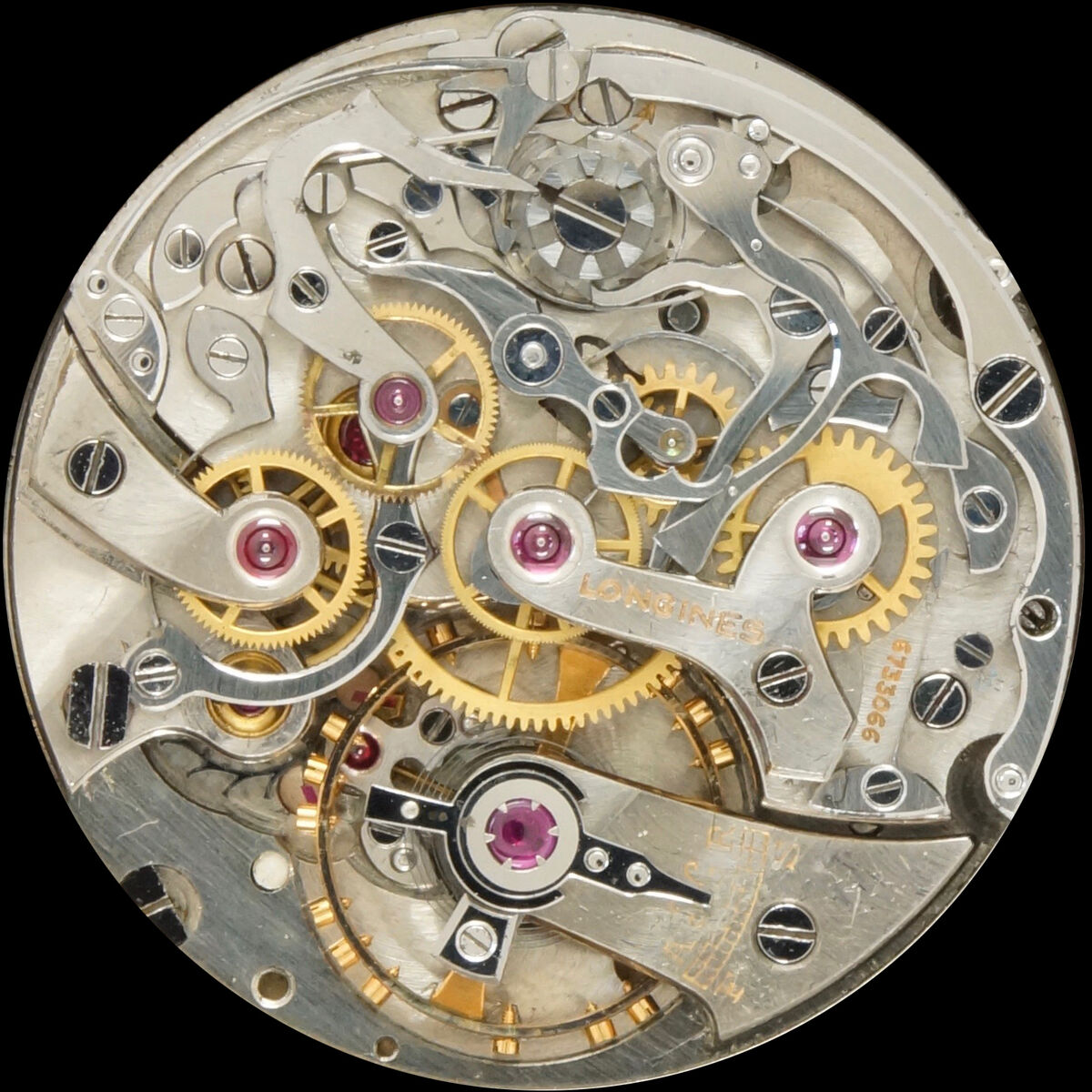
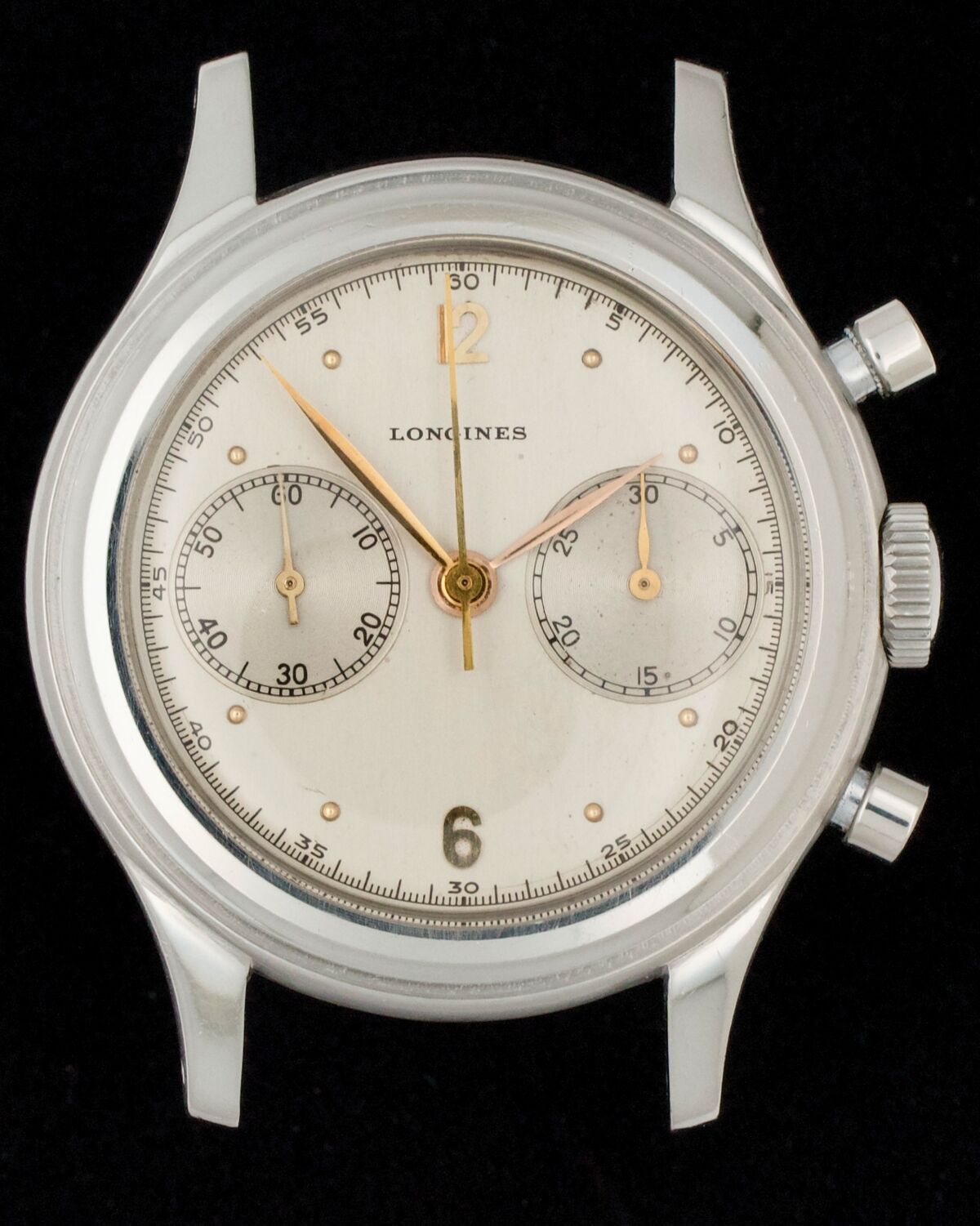
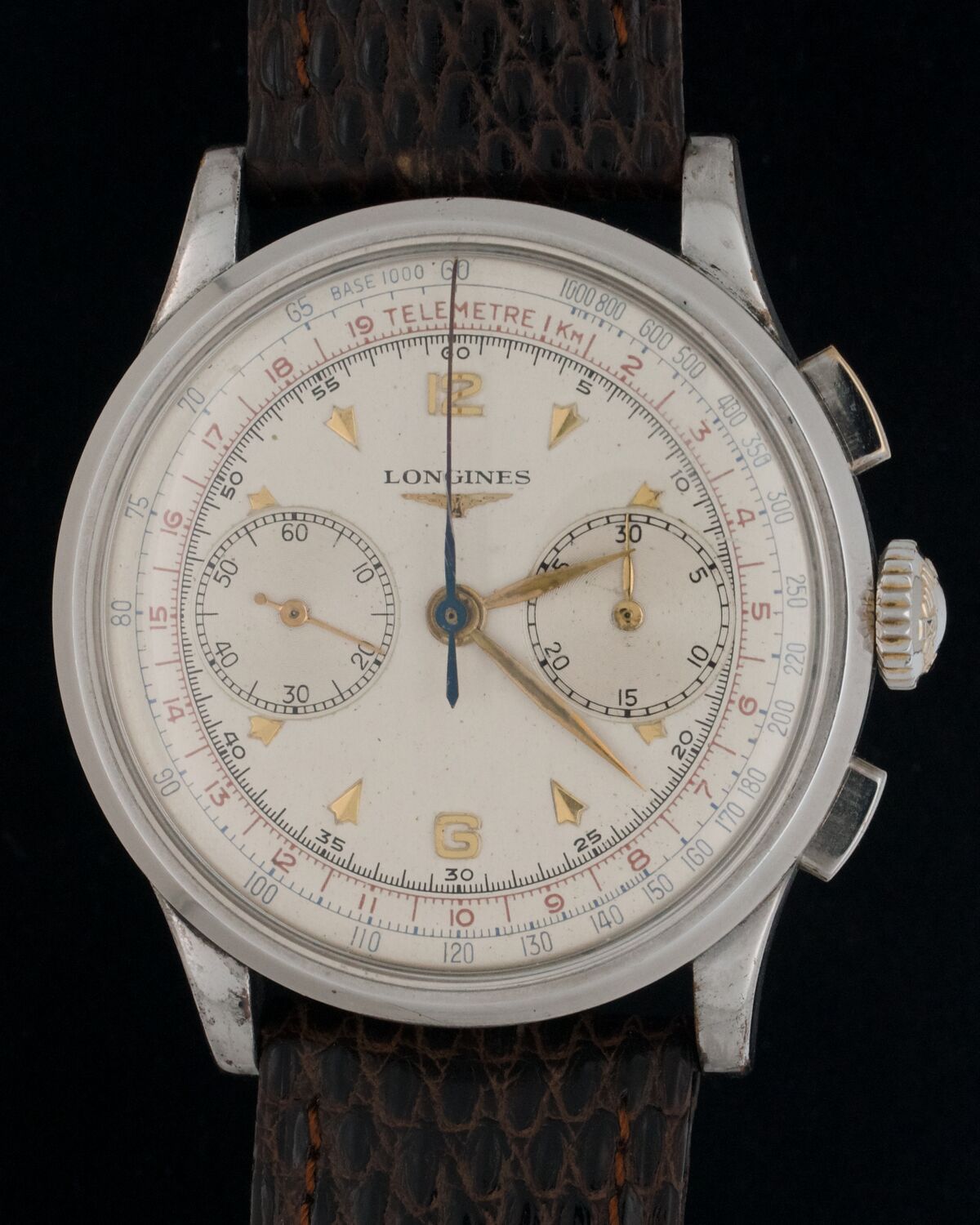
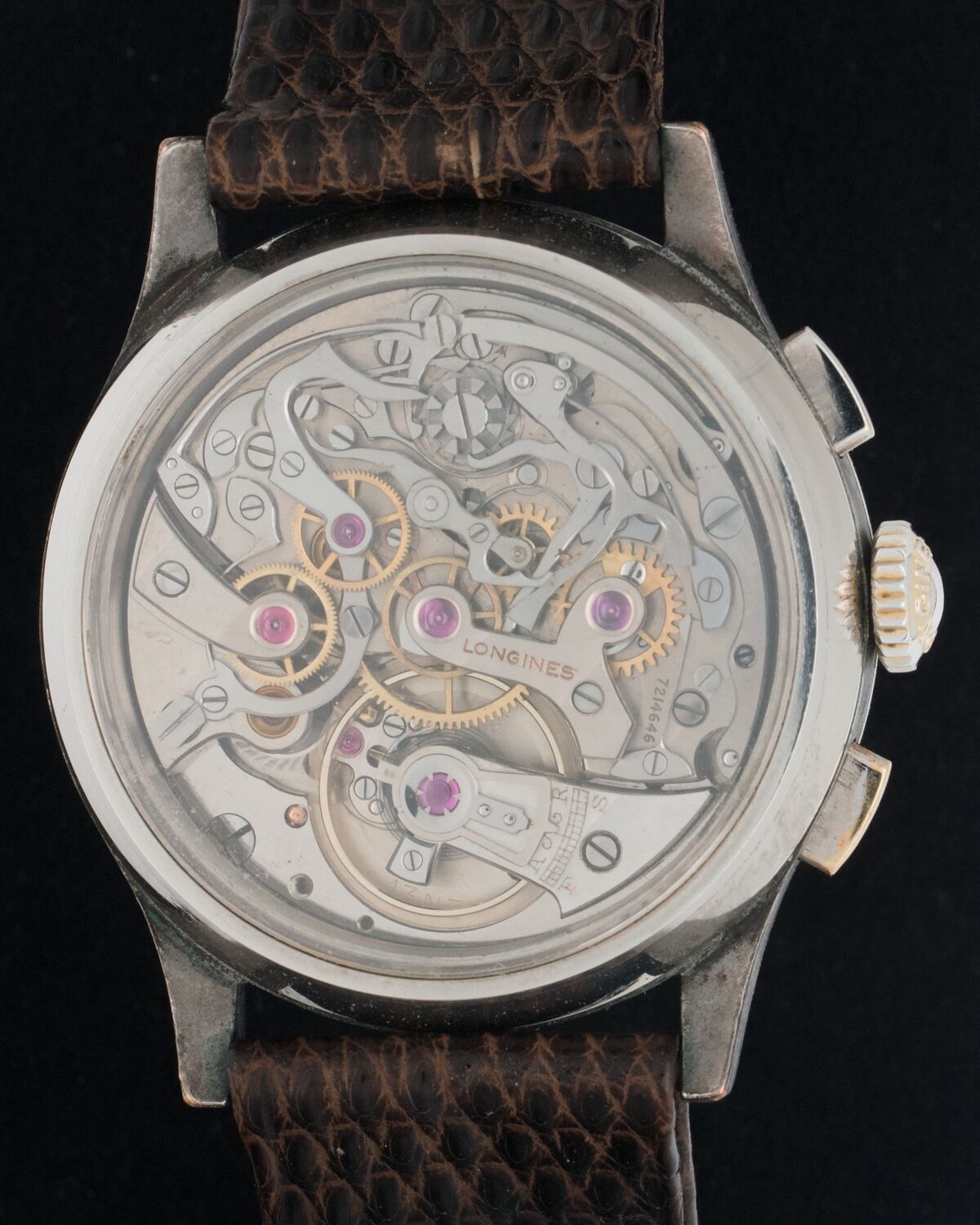
The Longines 13ZN calibre is a wrist chronograph movement introduced in 1936. It marks an important step in the transition from pocket chronographs to wristwatches. Designed and manufactured in-house, it replaced earlier calibres and became one of the first fully integrated wrist chronographs produced by the manufacture.
In the 1930s, changing habits favored the development of the wristwatch, including for chronograph functions. Longines, which had previously relied on existing bases or hybrid solutions, undertook the development of a movement specifically designed for this format.
The 13ZN was created in this context, with the objective of producing a modern, reliable, and industrially viable chronograph. It also responded to growing demand for precise timing instruments, particularly in sports, scientific, and military applications. Its production reflects a period of technical maturity for the manufacture.
The 13ZN calibre features an integrated construction, designed from the outset for chronograph use. It is equipped with a column wheel that coordinates the different control functions, ensuring precise and consistent operation.
It includes a semi-instantaneous minute counter, characterized by a rapid but progressive jump of the hand, improving readability while limiting mechanical stress.
The movement was produced in both monopusher and two-pusher configurations, the latter offering greater flexibility in operation. Its overall architecture is well balanced, with a rational layout of chronograph components that facilitates both manufacturing and servicing.
The 13ZN was produced in several versions, including different control configurations (monopusher or two pushers). Some variants incorporate additional functions, such as hour counters or specific display layouts.
Further evolutions appeared over time, linked to improvements in industrial processes or technical refinements. The 13ZN served as an important foundation for later Longines chronograph developments.
Designed for wristwatches, the 13ZN calibre was used in a wide range of applications requiring reliable time measurement. It was employed in sports, aviation, and scientific contexts.
Its minute counter allows the measurement of longer intervals, while its readability and robustness make it suitable for both professional and everyday use.
The 13ZN calibre is considered one of the great wrist chronographs of its era. It reflects Longines’ technical expertise in designing integrated movements and represents a significant advancement over earlier constructions.
Its build quality and technical solutions have made it a lasting reference in the history of chronographs, often cited among the manufacture’s most important achievements.
The Longines 13ZN is an emblematic wrist chronograph of the 1930s, designed from the ground up as an integrated movement.
Combining a column wheel, a semi-instantaneous minute counter, and multiple control configurations, it represents a key stage in the evolution of modern chronographs at Longines.



A La Clinique Horlogère
Rue du Creugenat 29
2900 Porrentruy
Tél +41 32 466 14 86
info@cliniquehorlogere.ch
