
Etat : Massachusetts, lieu : Roxbury - Boston
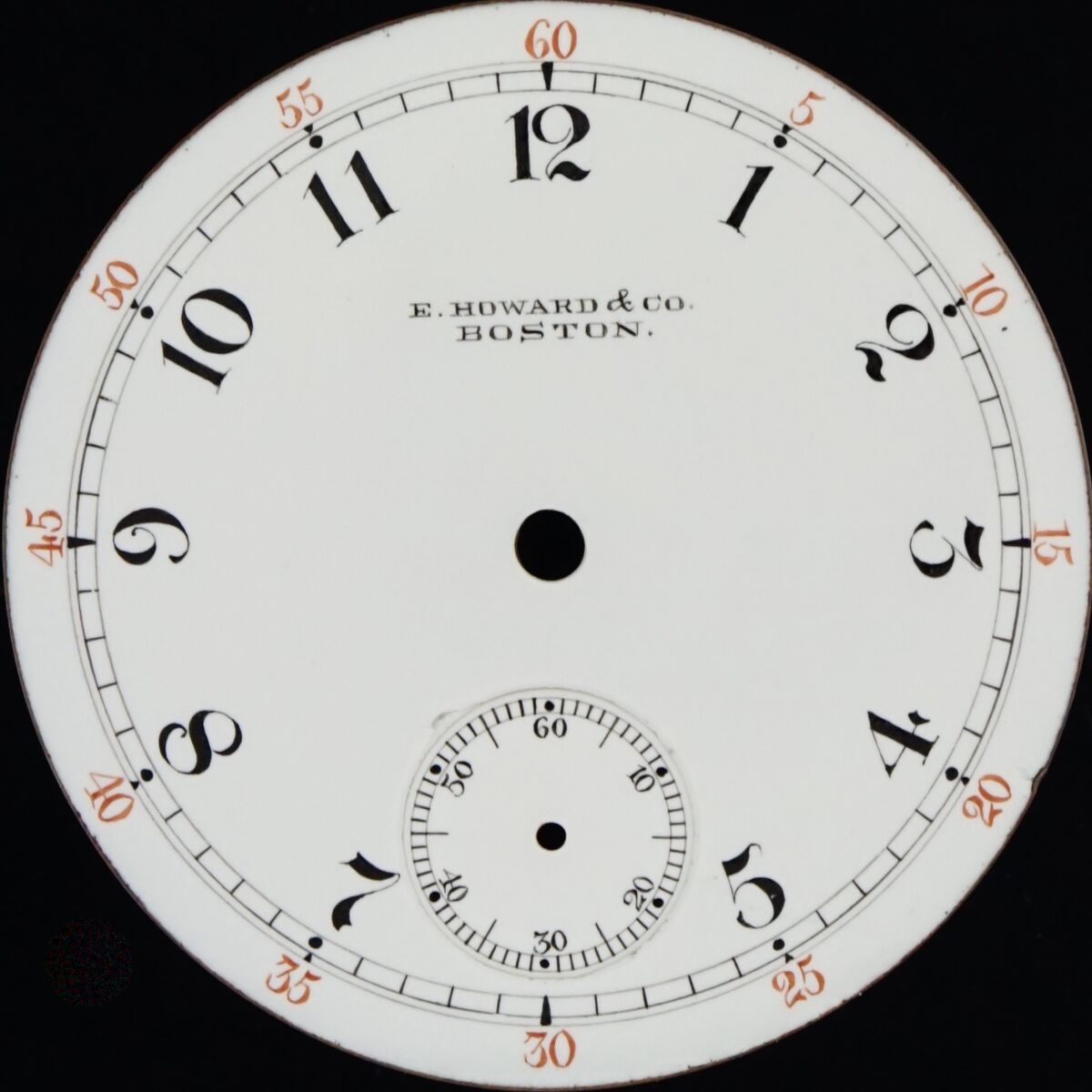
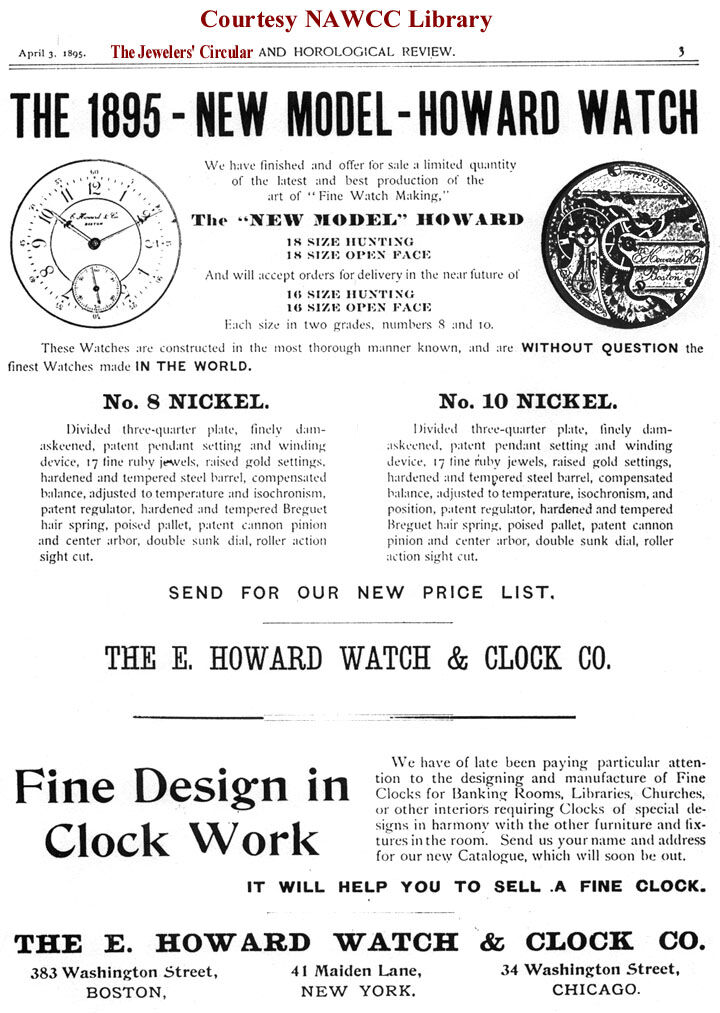
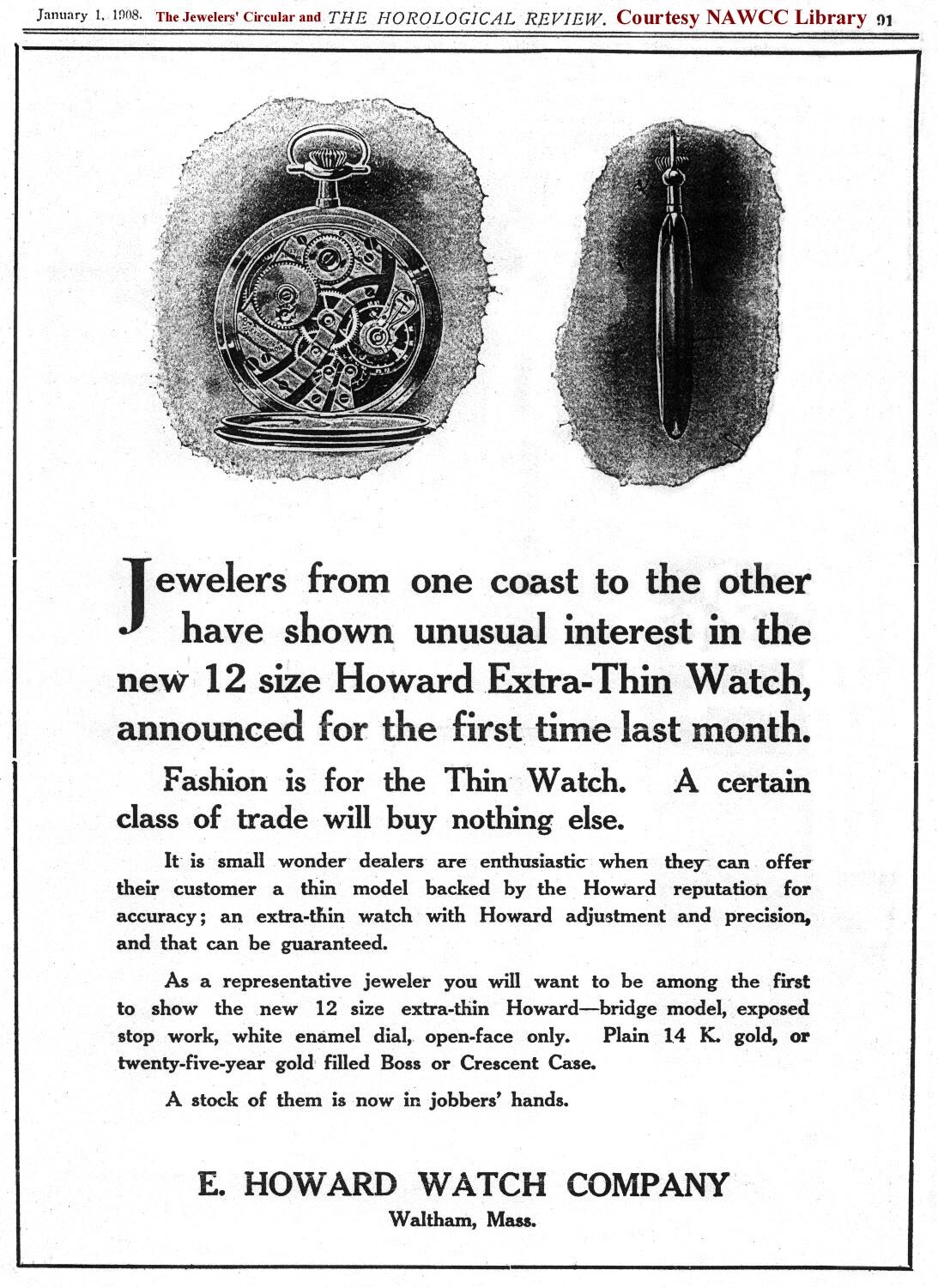
Edward Howard was born in 1813. He began his career as a watchmaker by taking an apprenticeship with the Willard family. In 1840, he obtained a degree in Mechanical Arts and founded his own factory with D. P. Davis. Failing to find manufacturing standards in a profession that had not yet organized itself, he developed his own quality standards. He keeps the precision and reliability of his parts in focus.
Like many houses of that time, he diversified his production and even if micromechanics was the common denominator, his products ranged from wall clocks to sewing machines. He is even known for manufacturing precision scales.
His watchmaking was successful and led him to focus on monumental clocks. Howard clocks appeared in shops, banks, hotels and congress offices, on which, as a good businessman, he took care to mark his name and thus to ensure eye-catching advertising.
Howard is an atypical character in the history of American watchmaking. Perfectionist and passionate about precision, he very early on had the ambition to create a major watchmaking company capable of taking a leading position in a market that he saw as having immense potential for development. He then wished to specialise further and became interested in watch production.
In 1850, Howard founded a watch company in Roxbury, Massachusetts with two partners, David Davis and Aaron Lufkin Dennison. Each owned a watch factory. The latter was aware that the interchangeability of parts would guarantee lower manufacturing costs while ensuring greater reliability of movements.
Thus was born the "American system of watch manufacturing". The concept is in watchmaking totally new and prefigures the birth of the watch industry. Indeed, Dennison established that by producing the parts of a movement with a high level of precision, it would become totally interchangeable, which was not previously the case, on parts assembled at home by workers who were responsible for making the holes necessary to fix the bridges to the plates.
Howard was enthusiastic about the idea of creating an industrial structure capable of producing watch parts in large volumes.
In 1851, as his idea evolved, he created a new company in Roxbury, the American Horology Company. The same year Howard launched the Warren Manufactoring Company once again in Roxbury. These houses are then not structured enough for lack of capital, to be able to give birth to a true specialized firm having a sufficient influence. Furthermore, although Howard is a visionary, interest in watchmaking is not yet widespread among the general public and financiers do not see it as the prosperous market that the sector will represent.
In 1853, Edward Howard's interest in watches grew and he established a watch factory in Boston called the Boston Watch Company. Once again, the experience was short-lived after three years, but this time the workshops were able to produce watches on a larger scale with a quality in line with the standards of the time. The firm was dismembered after its liquidation in 1857 to give birth to the American Watch Company of Waltham Massachussetts and the E. Howard & Company of Roxbury.
Edward Howard, certain of his project, decided to take over part of the production and for this purpose he recovered machines, tools and unassembled parts. As he could not afford to invest in a purchase, he joined forces with financier Charles Rice to create a new watchmaking company, the Roxbury Factory, at the end of 1857. This company, under the roof of which Howard and his associate brought together all the activities necessary for the manufacture of watches, was to be the first American watch manufacturer in the full sense of the word.
With a complete watchmaking background, Howard is particularly skilled in the design of movements. He redesigned the calibers he had previously imagined, and in order for the two new partners to share the glory of the creation of the new company, the words "E Howard & Co" will appear on the dials and "Howard & Rice" on certain movements. At that time, watches were advertised as much on the presentation of the image of the watch as on the movement that equipped it. The reputation of Rice was therefore preserved.
From the first watches to the most perfect mastery of industrial watchmaking
As early as the summer of 1858, Howard had already produced the first watch model entirely developed by himself. He wished to invest in high-quality parts. He made the finishing of the movements his spearhead and precision, an objective that he never ceased to defend.
On December 11, 1858, his manufacture specialized in high quality movements. Howard knows that by this choice, he will distinguish himself from the other houses that he will surpass. He makes the gear trains evolve and invents a caliber where the bridges rest on 6 points of support instead of 4.
He will also develop the pendulums that he builds in gold and completes with compensating screws made of the same precious metal. Howard then understands that he will not only offer his balances a more interesting density of metal than brass, but also that he will be able to make a commercial argument out of it.
Without a doubt, this inquisitive entrepreneur follows the progress of Swiss research on precision. It is therefore necessary for him to give his pieces a specificity at a time when the Swiss are interested in bimetallic pendulums called "Guillaume", named after its inventor.
Precision becomes a fertile ground for stimulating Swiss-American competition. Howard explores all the innovations and even renews the manufacturing techniques of the barrel, whose architecture he rethinks and encapsulates in an innovative way. He shows a sharp dynamism and also increases the size of his calibres to adapt them to the cases manufactured by Dennison. He thus creates movements of more than 20 lines. The large watch diameters have the advantage of being easier to adjust and above all open up the markets for railway watches even further.
Very effective in selling his products, he approached the 30,000 pieces sold in 1868. The same year, the Emperor of Japan asked the Americans to develop a new regional capital in Sapporo, on the Ishikari plain. Edward Howard took advantage of this opportunity to be entrusted with the creation of a clock. Based on William Wheeler's plans, in 1878, he made a clock installed on top of one of the towers of the University of Sapporo. Constantly in search of innovation, in 1868 he introduced the pendant winding system and rid watches of the key winding system, which was totally abandoned 10 years later.
A page in the history of watchmaking
Edward Howard withdrew from the business in 1882 and sold his shares in E. Howard and Co., but his company continued to produce watches, which he designed and conceived until 1903. Most of the watches are made of gold or silver. It is only in the late productions with the case maker Keystone that gold-plated metal casings will be seen.
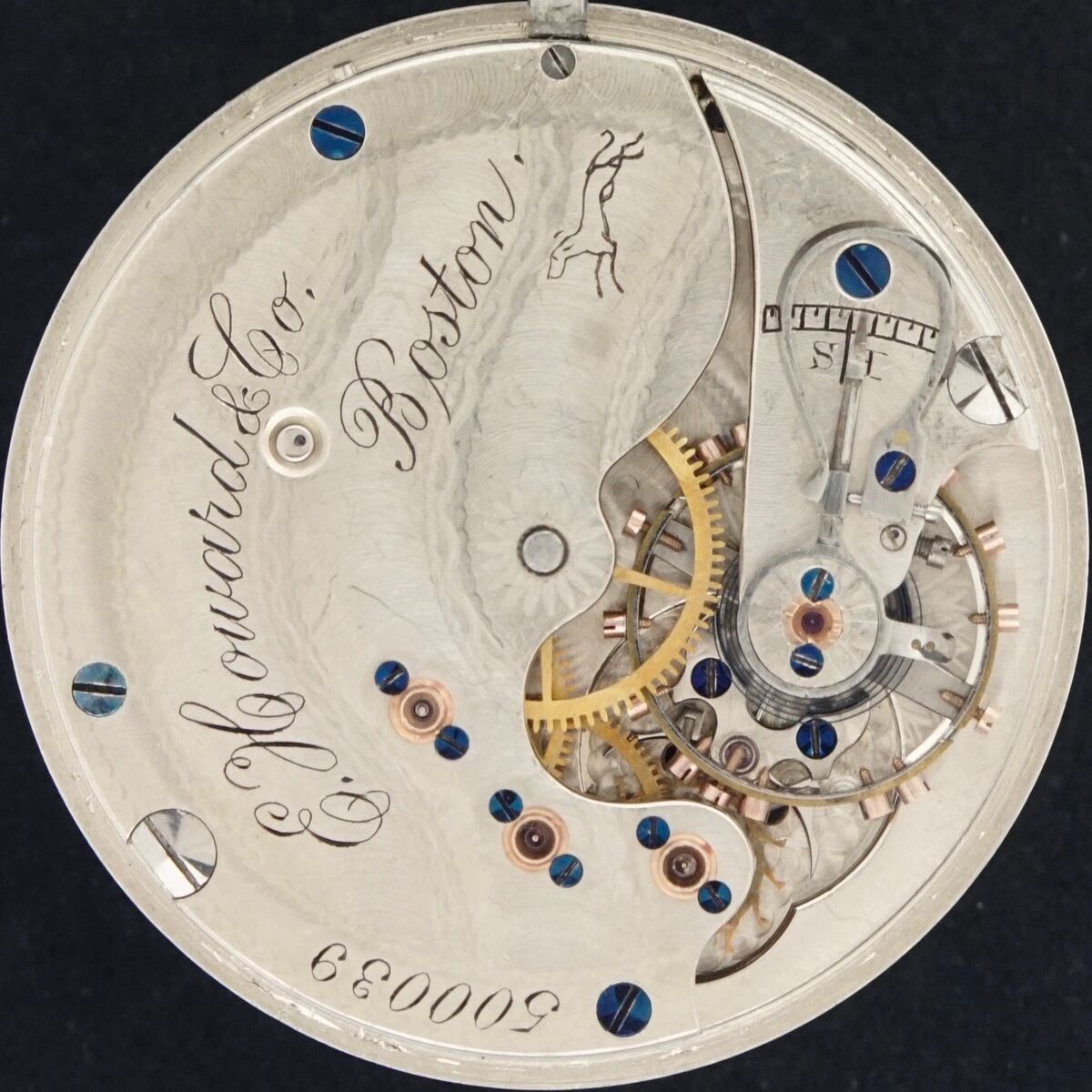
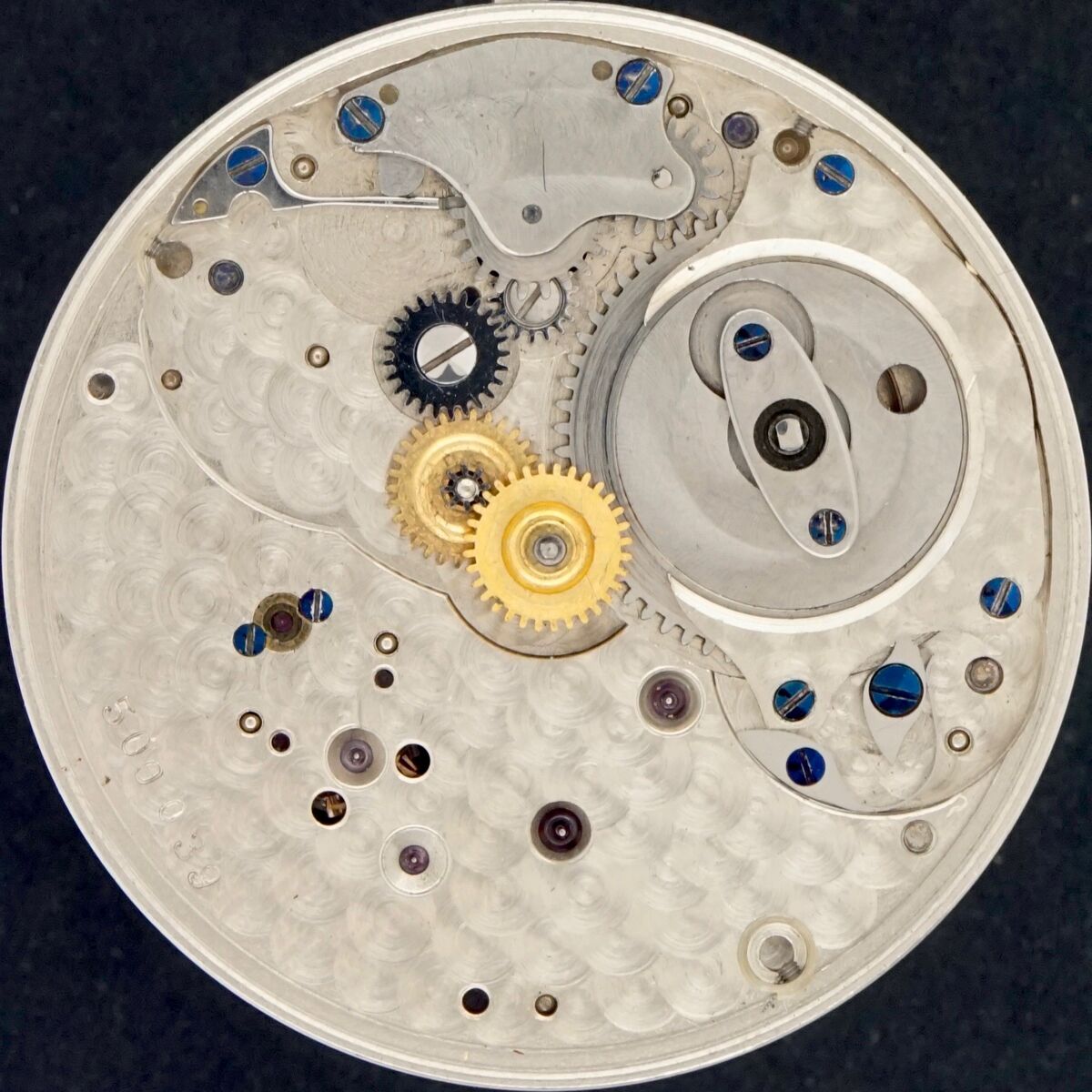
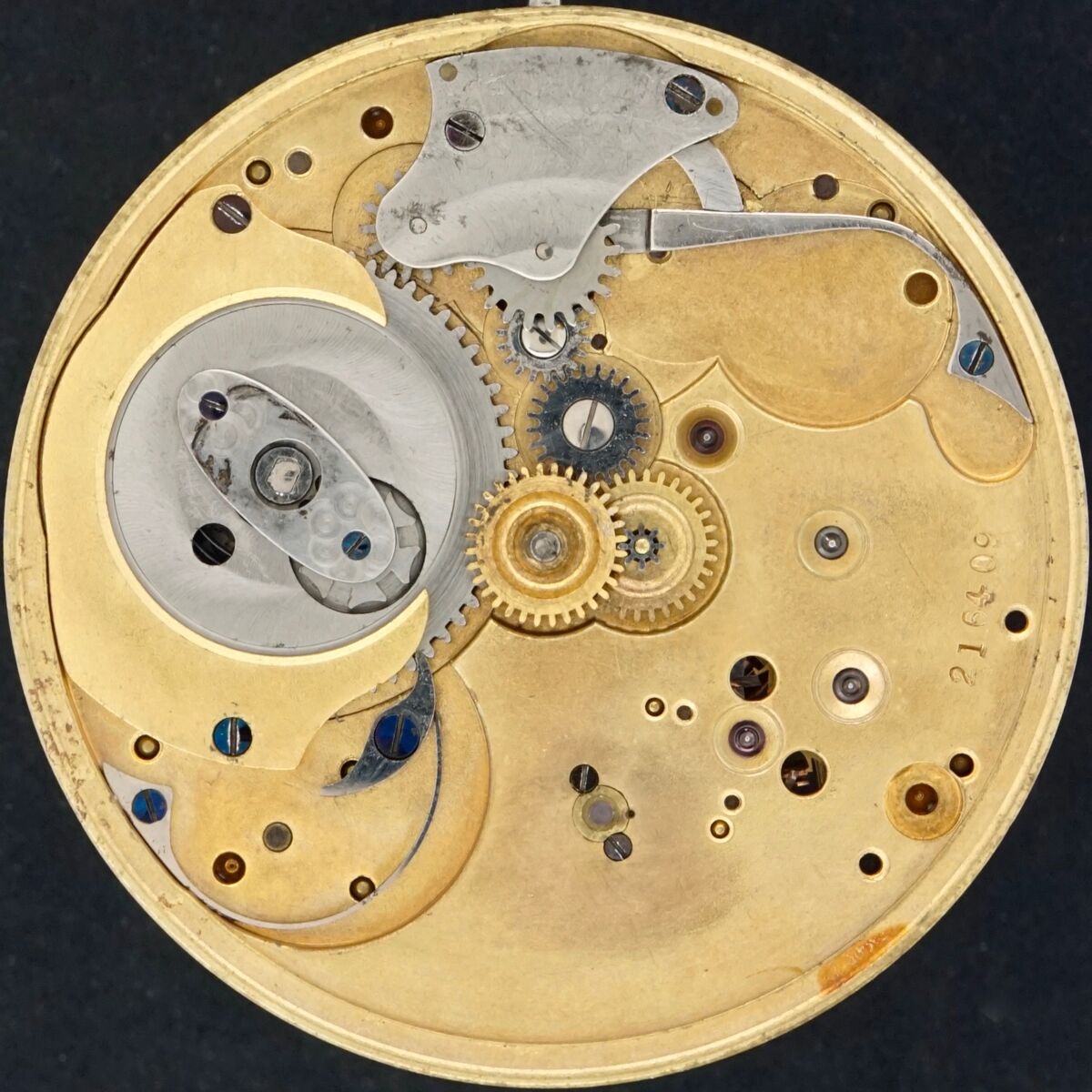
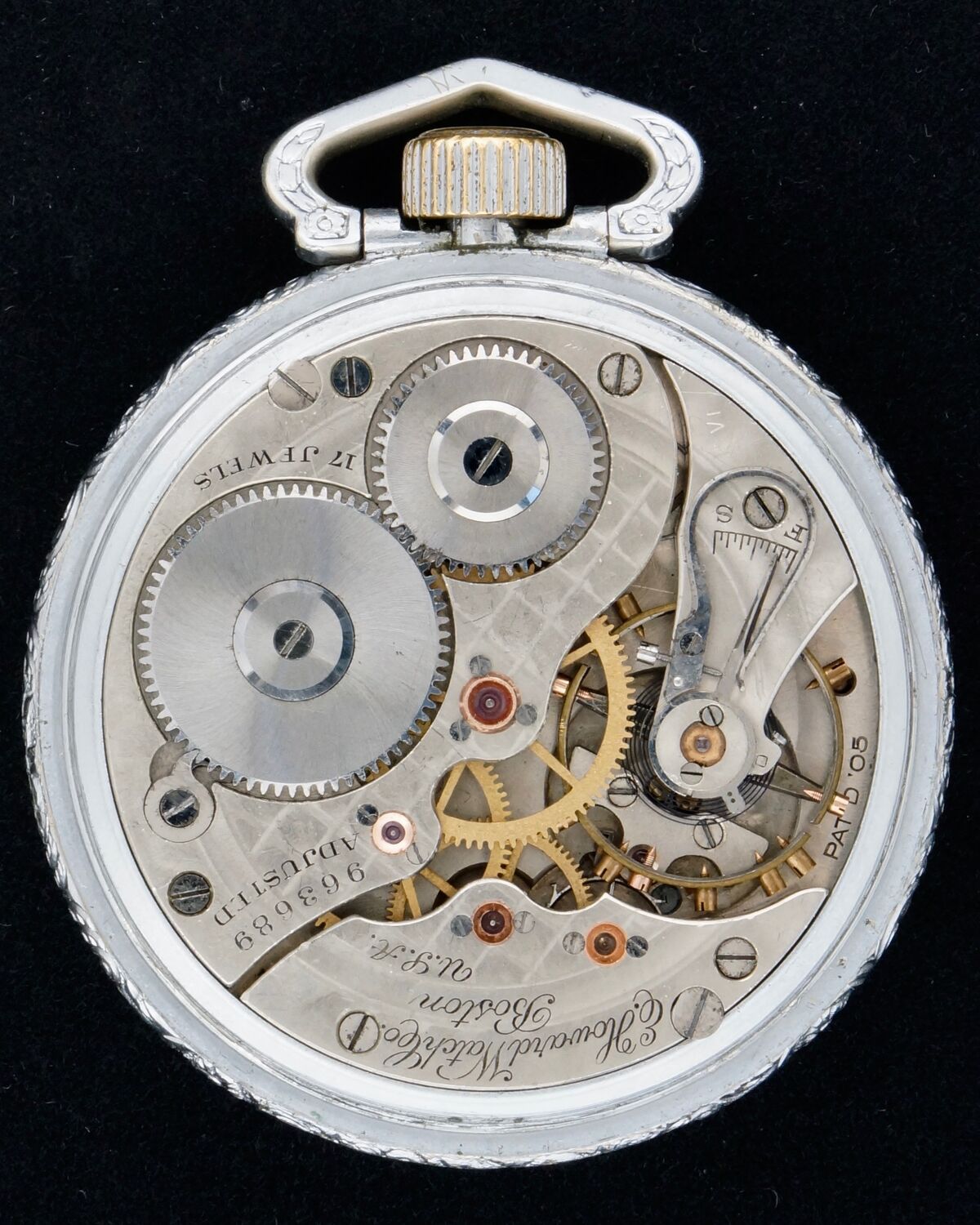
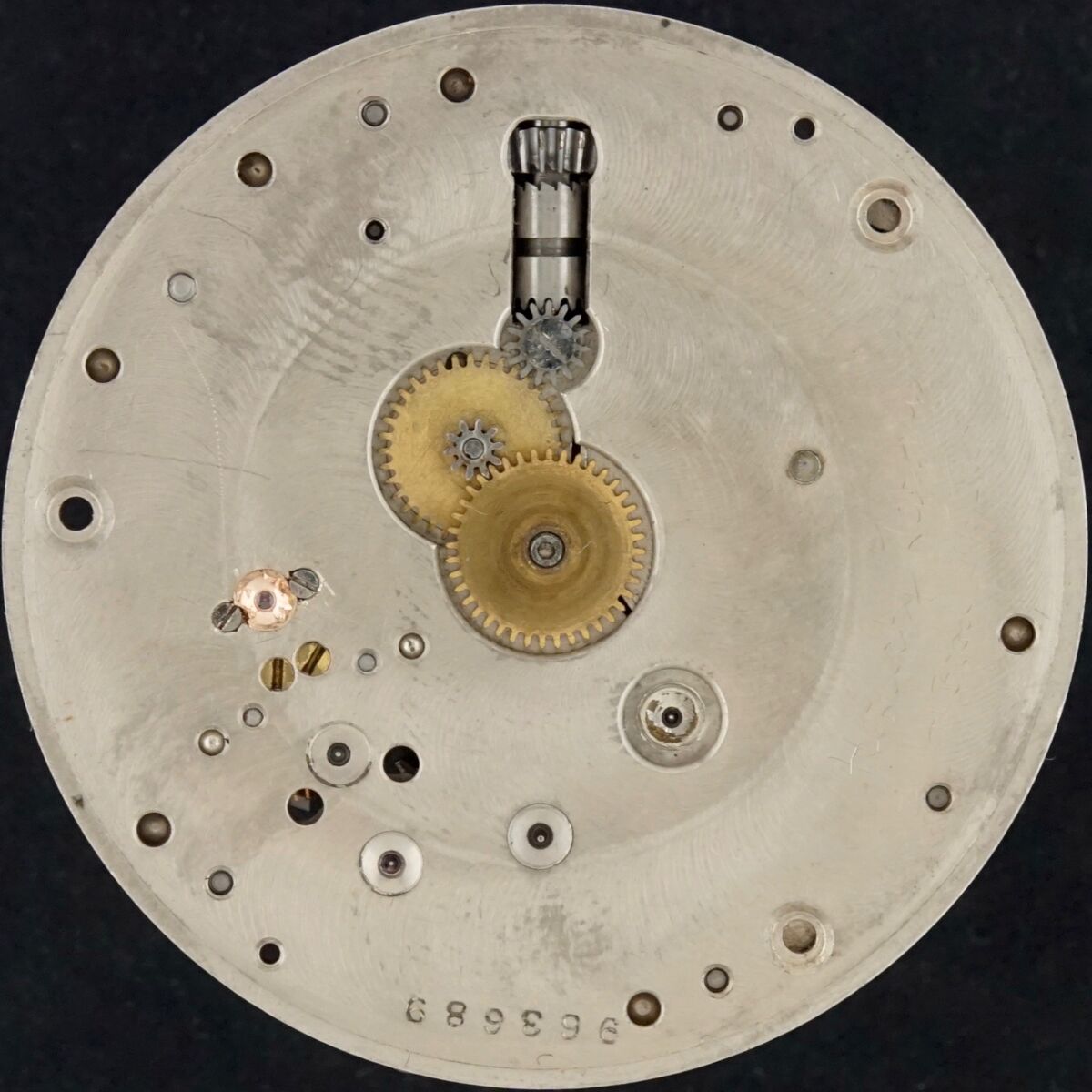
Howard has made enormous strides in the industrial manufacture of watches. From the very first years of the 20th century, the company was able to deliver movements adjusted in all 6 positions. From that time on, on the dials, the mention "E Howard Watch & C°- Boston" is replaced by "Edward Howard". Then, the mention of " Howard " replaces any other mention on the dials while the movements are signed " Edward Howard Watch C° Boston USA ".
The firm totally disappears in 1930 when Keystone Watch Case C° stops assembling watches under the Howard brand. Until the end, the movements are of exceptional quality, especially in the 21 or 23 jewels versions which are formidable chronometers whose angled and rhodium-plated finishes attest to a know-how worthy of the best manufactures. The brand still exists today and is dedicated to the manufacture of clocks, Edward Howard's first passion, a kind of return to the roots for a brand that leaves an indelible mark in the history of watchmaking.
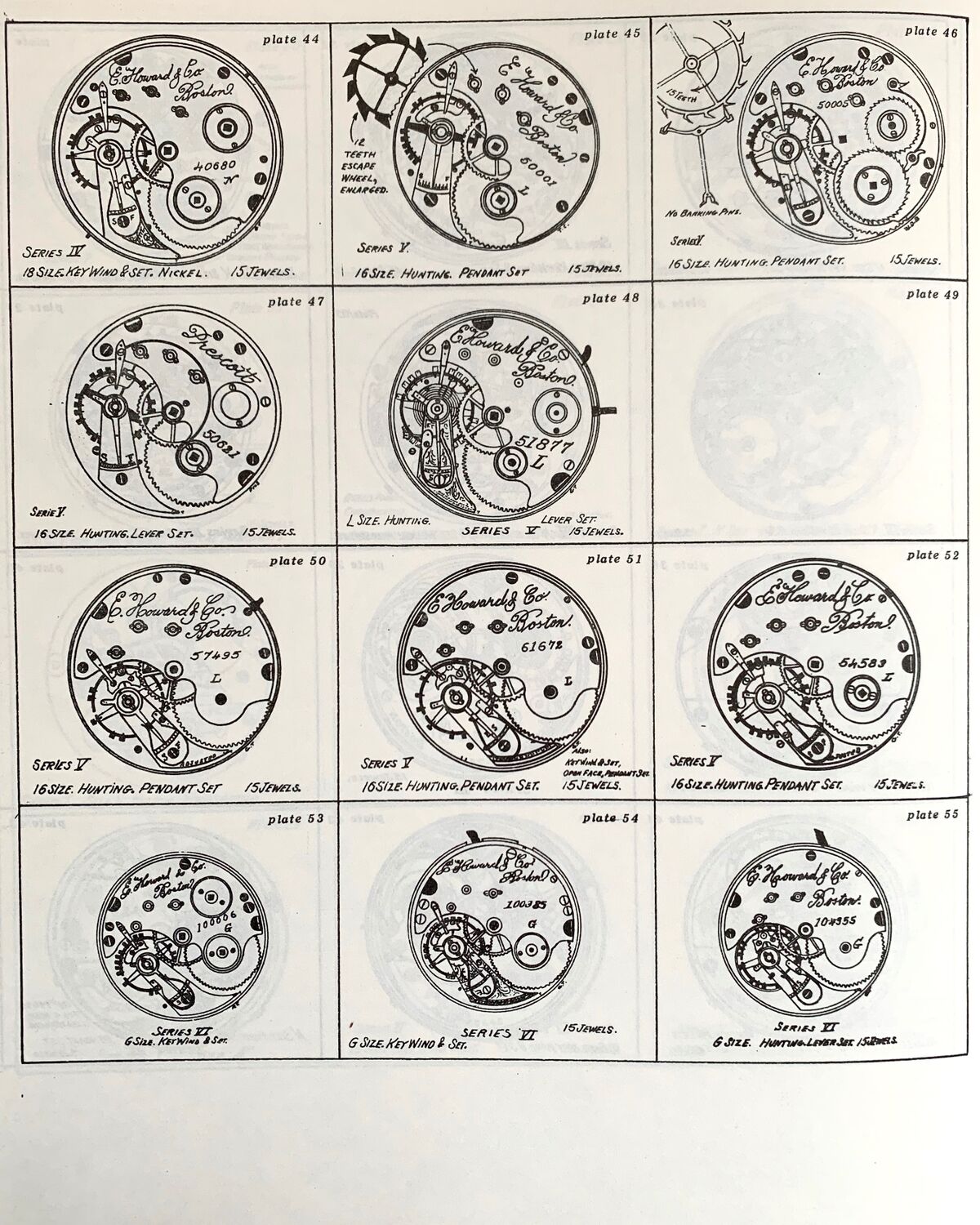
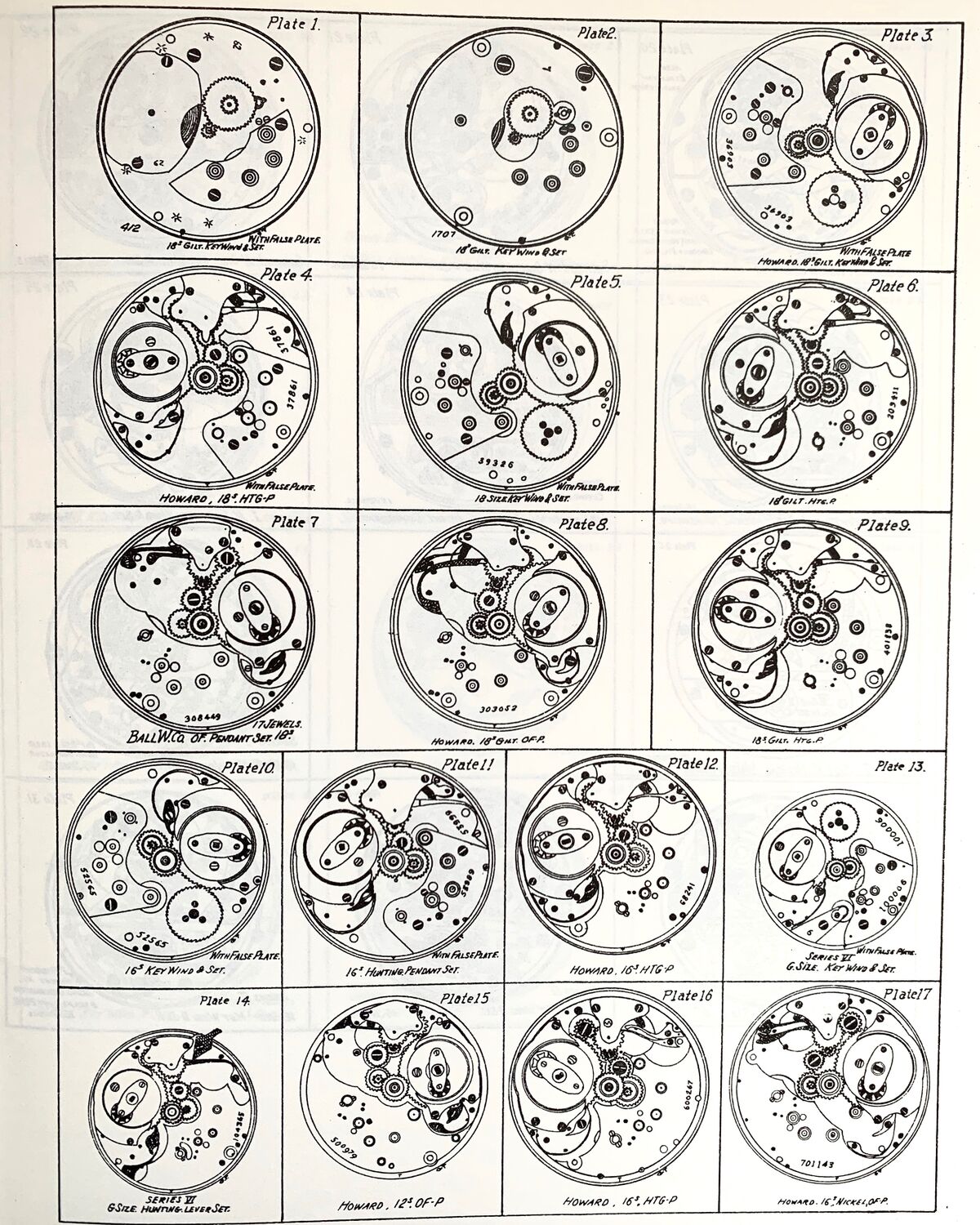
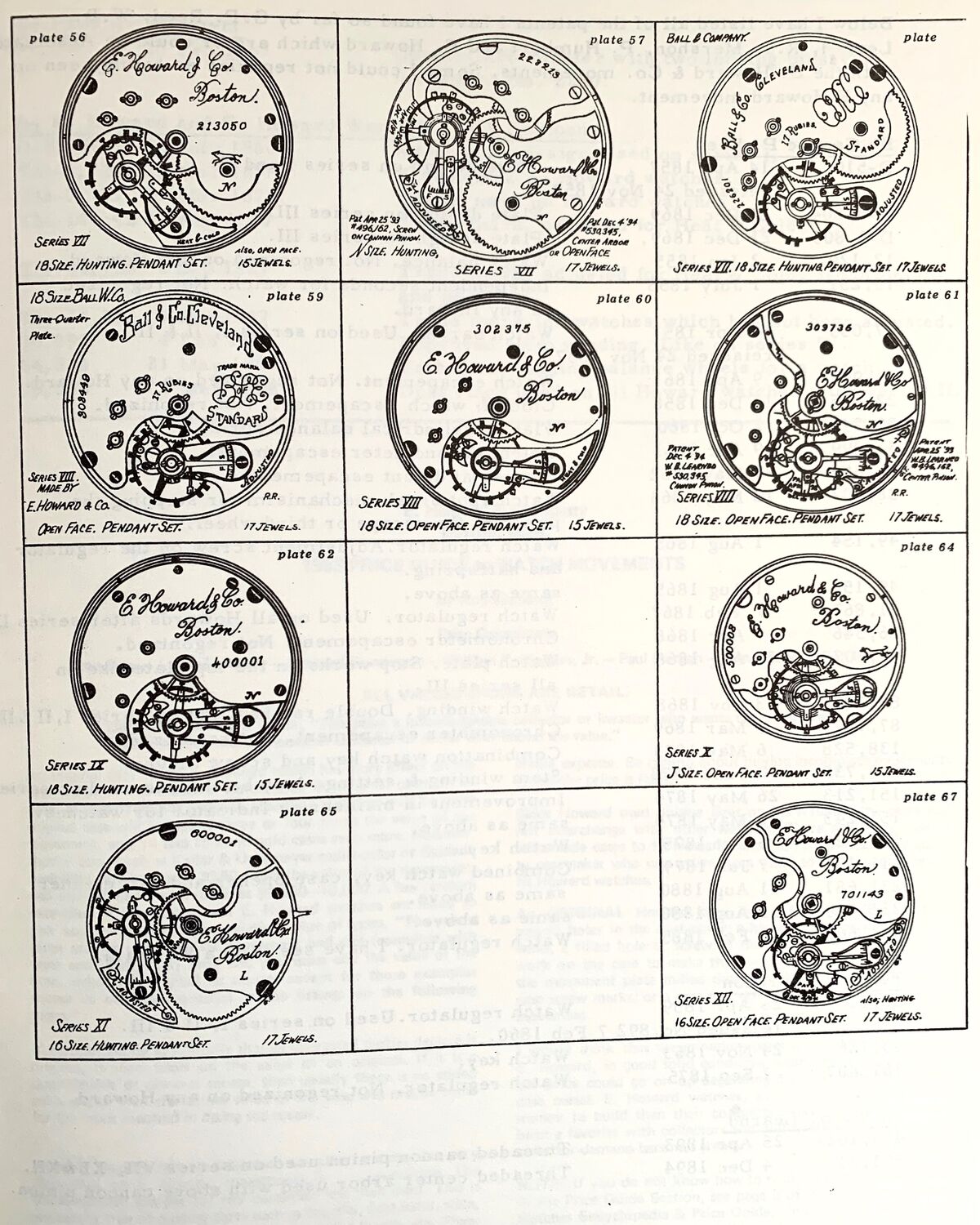
The manufacture distinguished its different caliber diameters by letters.
N - 18 size, L - 16 size, K - 14 size, J - 12 size, I - 10 size, G - 6 size
The box makers were:
Crosby & Mathewson - C&M, J.M. Harper - JMH, D.T. Warren & Co - DTW&Co, Warren & Spadone - W&S, Fellows & Co - F&Co, Wheller Parson & Co - WP&Co et autres.
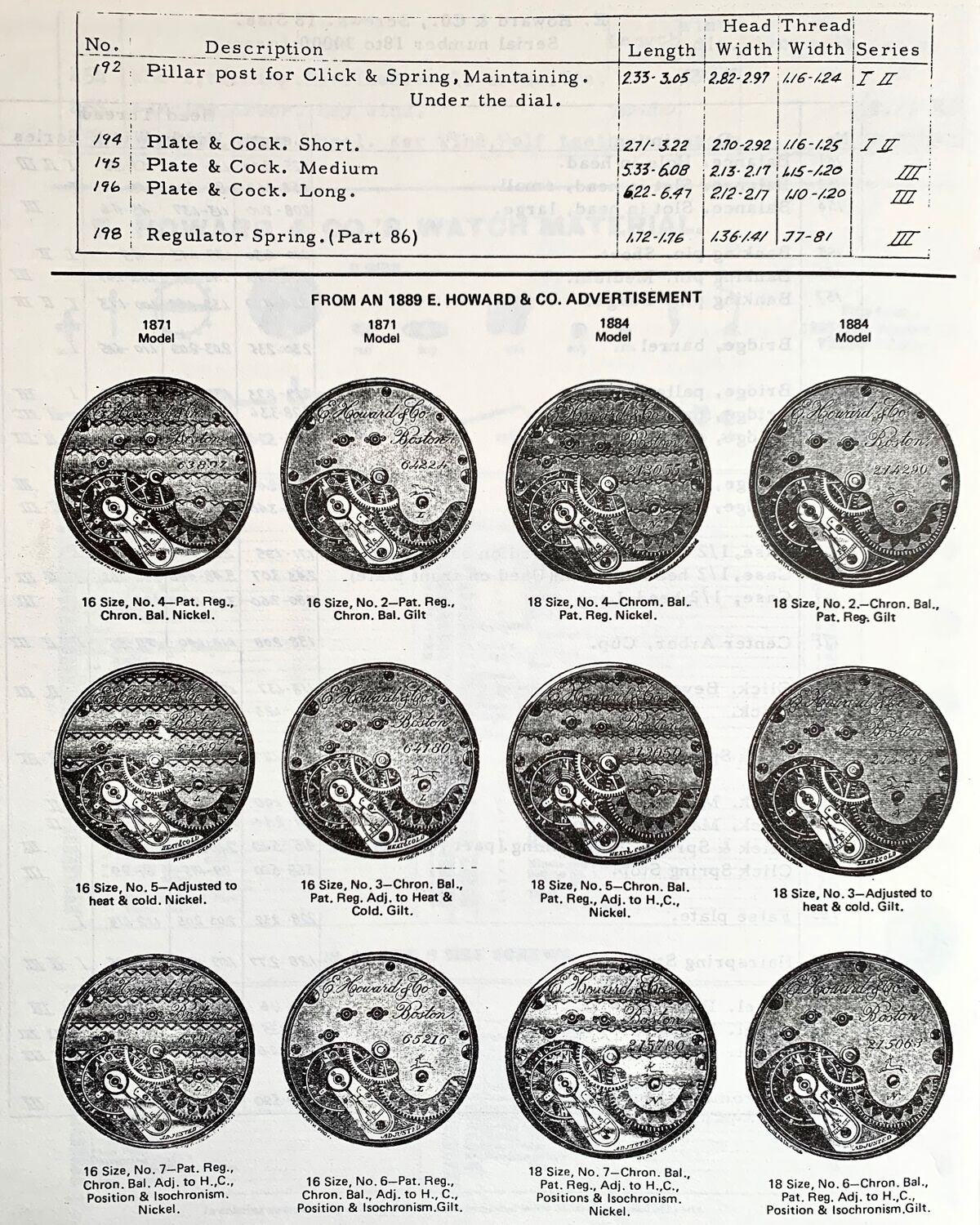
Some documents are taken from George E. Townsend's 1985 book






A La Clinique Horlogère
Rue du Creugenat 29
2900 Porrentruy
Tél +41 32 466 14 86
info@cliniquehorlogere.ch
