
1927
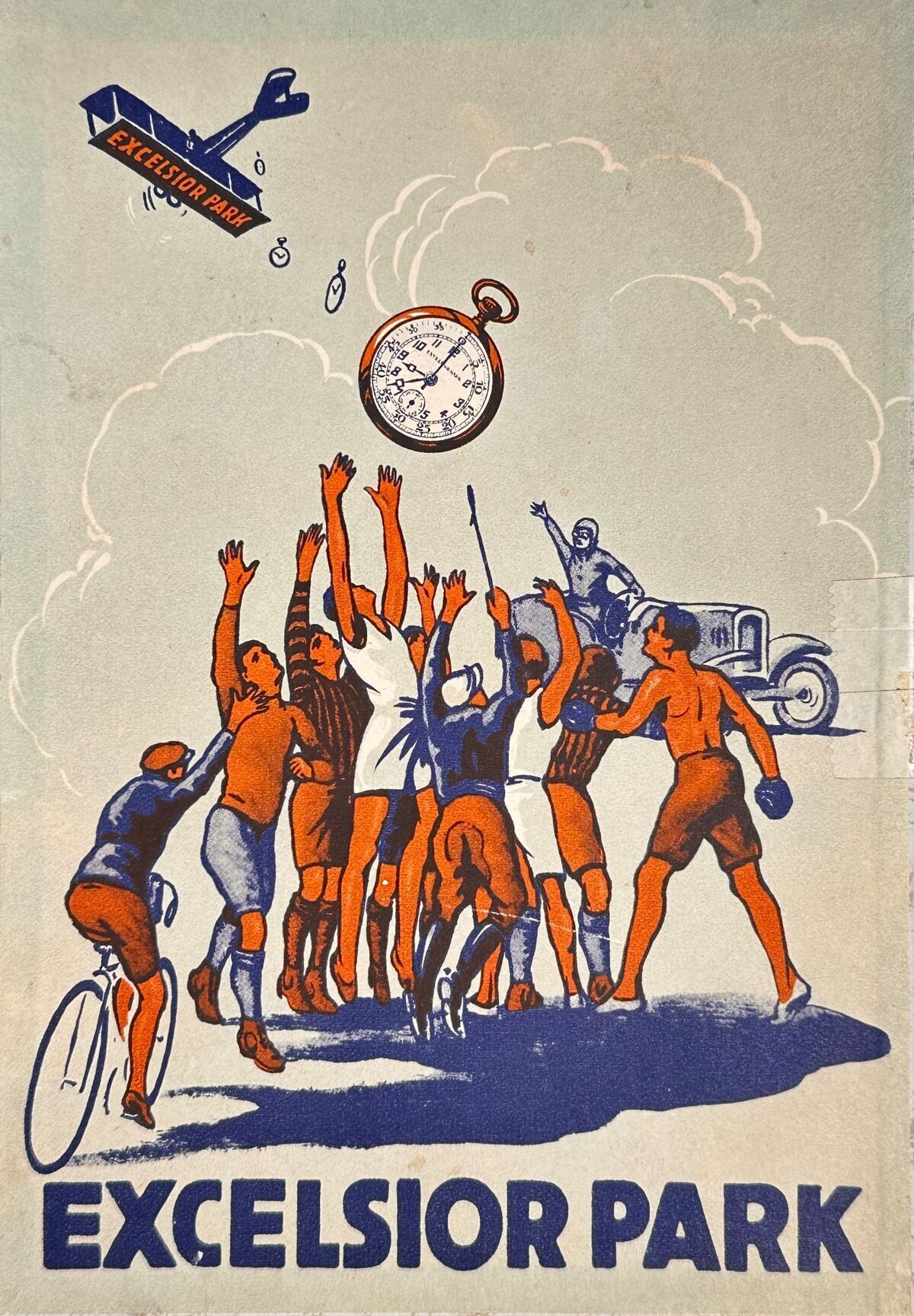
Founded in Saint-Imier within the Jeanneret horological dynasty, the “Usine du Parc” developed lever-wound watches, chronographs and sports timers from the late 19th century onwards. Around 1890–1891, the firm filed and exploited 30-minute chronograph patents that cemented its reputation and foreshadowed the future Excelsior brand.
At the start of the 20th century, leadership passed to Henri Jeanneret-Brehm. The offer was structured: Excelsior for timers, other family names for complicated watches. By World War I, the Excelsior Park identity had become established in communications and exports.
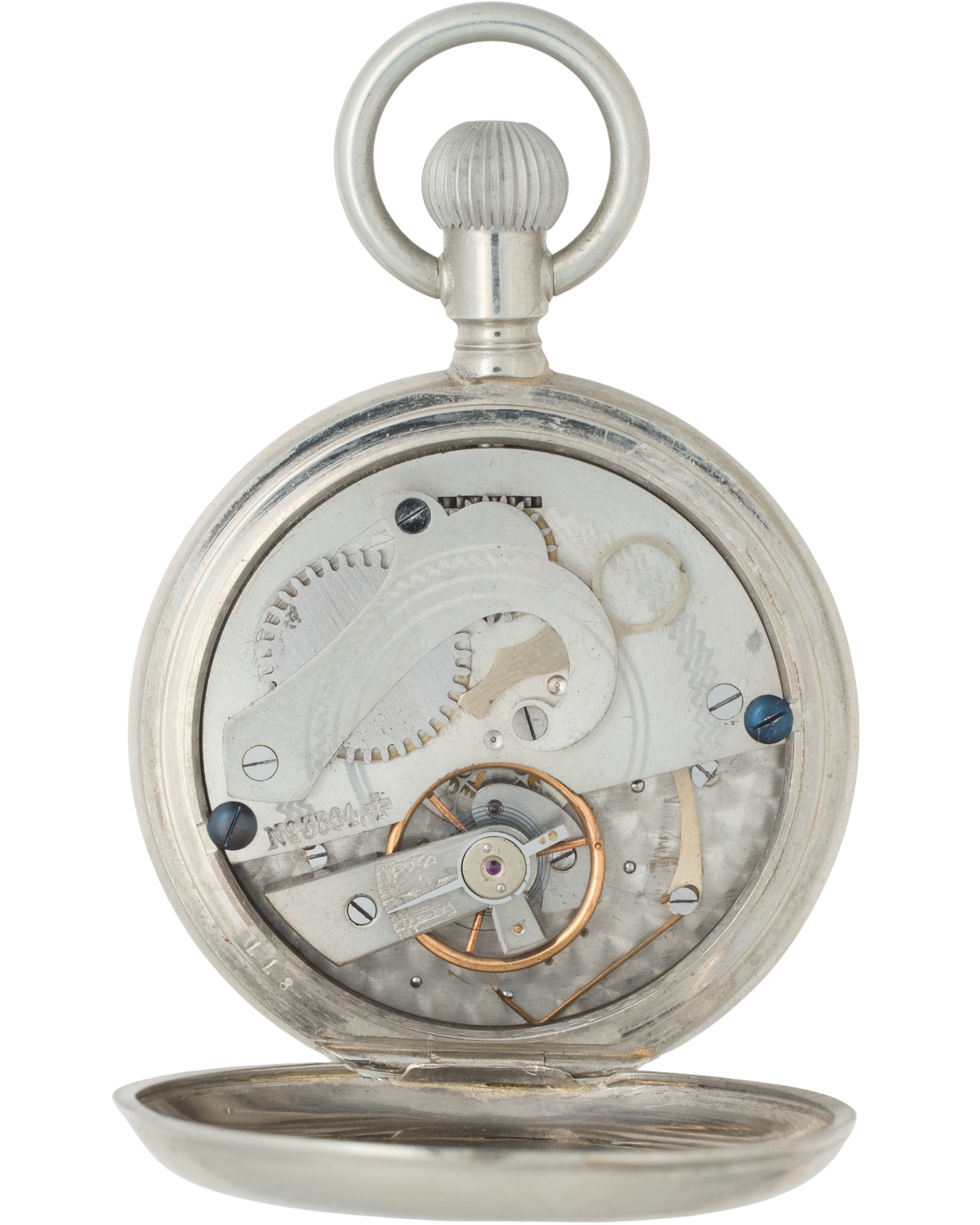
Excelsior Park specialised in short-interval instruments: 30-minute timers, decimal/centésimal scales, split-seconds for sport, industry and laboratories. Dials adopted the “Excelsior Park” signature early on, while the technical aesthetic took shape: bold legibility, high-contrast hands, precise scales.
On the mechanical side, JB (Jeanneret-Brehm) and EP calibres became benchmarks. For timers: large split-seconds instruments, including emblematic competition versions. For the wrist: EP/JB 42, EP/JB 4 and then EP 40 families (and derivatives) — column-wheel chronographs, robust, sold under the house name or supplied to other brands.
Beyond its own branding, Excelsior Park supplied ébauches and movements to major Swiss makers, including Gallet, Zenith and Girard-Perregaux. This broadened the international presence of Saint-Imier’s know-how.
After World War II the firm remained central to the wrist-chronograph scene while retaining a “sport & science” identity on the instruments side. Notable pieces include the Excel-O-Graph (chronograph with slide-rule bezel), Yachting variants (regatta countdown) and technical versions commissioned by professionals.
International competition, currency shifts and the rise of quartz weakened the company. Production ceased in the early 1980s, the Saint-Imier site closed and the firm was liquidated mid-decade.
Long synonymous with precision and sports timers, Excelsior Park lives on among collectors through its column-wheel movements, uncompromising legibility and technical dials. The name returned in the early 2020s with contemporary chronographs inspired by the archives.


A La Clinique Horlogère
Rue du Creugenat 29
2900 Porrentruy
Tél +41 32 466 14 86
info@cliniquehorlogere.ch
